You’re investing serious money in Brooklyn construction. The last thing you need is delays from inexperienced inspectors who don’t know what they’re looking at.
When your mechanical systems are properly inspected by seasoned professionals, you get smooth DOB closeouts, no expensive rework, and systems that function as designed. Your HVAC keeps buildings comfortable year-round. Boilers operate safely and efficiently. Plumbing systems handle Brooklyn’s demanding usage without failures.
The difference between thorough inspections and rushed ones can mean the difference between on-time project completion and costly delays that eat into your budget.
We bring over 17 years of industry experience to Brooklyn’s commercial construction market. Since 2023, we’ve focused on what Brooklyn architects and construction managers actually need: experienced professionals who know mechanical systems inside and out.
Unlike agencies that send recent college graduates to learn on your dime, we provide seasoned inspectors who understand both NYC building codes and the practical realities of Brooklyn construction. When you call, you get direct access to us—not layers of staff that slow down communication and scheduling.
Brooklyn’s construction environment demands inspectors who can work efficiently within tight schedules while ensuring every system meets DOB requirements the first time.

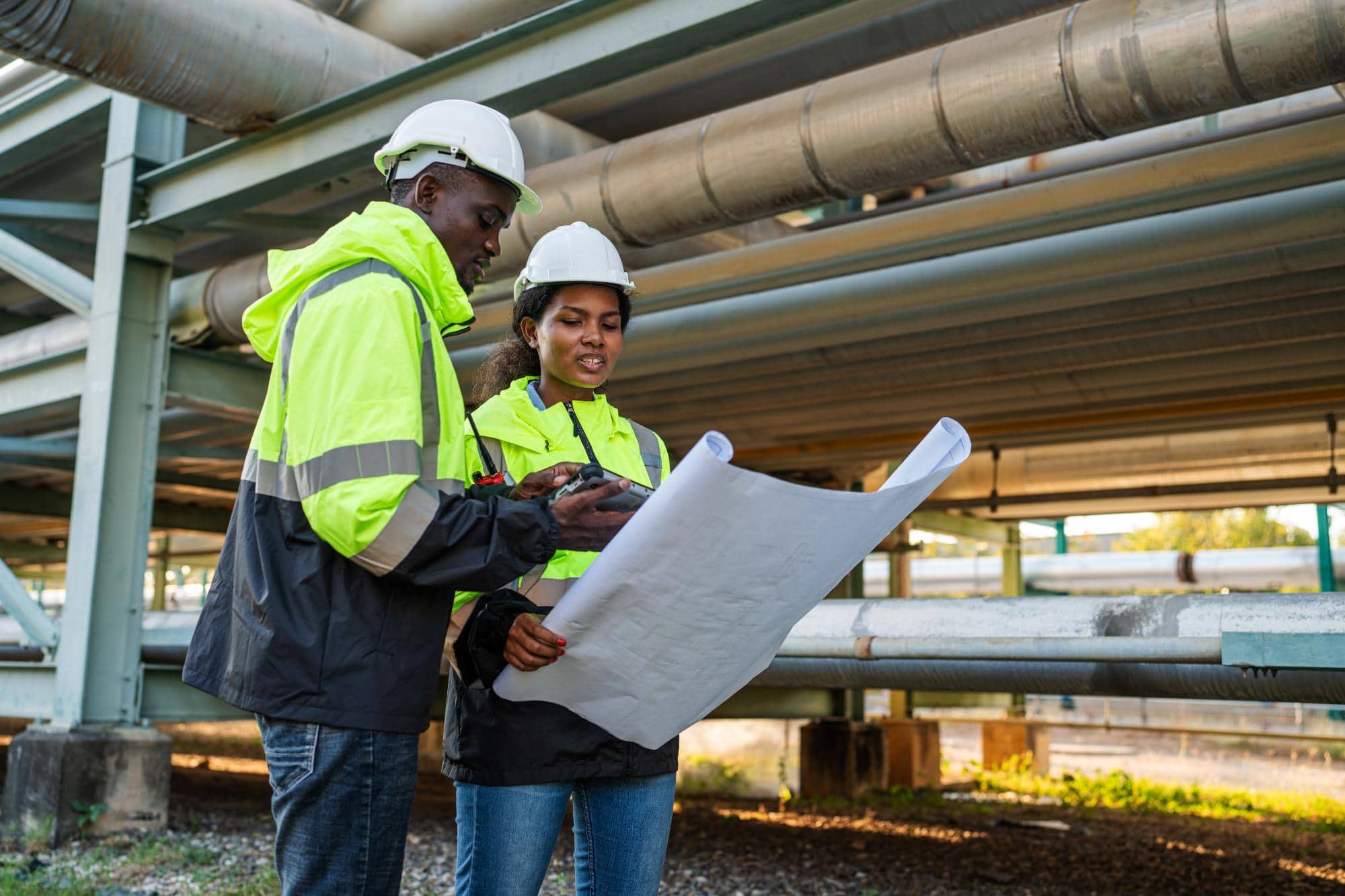
Our inspection process starts with understanding your project requirements and coordinating with your construction schedule. We review approved plans to identify critical inspection points before work begins.
During construction, our experienced inspectors arrive on-site at the right phases—not just at the end when problems are expensive to fix. We examine HVAC installations, test boiler systems, verify plumbing compliance, and document everything for DOB submittal.
You receive detailed reports that clearly outline findings, any issues that need attention, and verification that systems meet all applicable codes. This documentation supports smooth project closeouts and provides the compliance records you need for future reference.
Ready to get started?
Mechanical inspections in Brooklyn cover the critical systems that keep commercial buildings operational. HVAC inspections verify proper installation, adequate capacity, energy efficiency compliance, and integration with other building systems—essential for Brooklyn’s varied climate conditions.
Boiler inspections examine safety systems, venting, controls, and compliance with NYC mechanical codes. These systems require particular attention in Brooklyn’s older building stock where integration with existing infrastructure presents unique challenges.
Plumbing inspections evaluate water supply systems, drainage, fixture installations, and backflow prevention devices. Brooklyn’s infrastructure demands robust plumbing systems that can handle high usage while meeting current code requirements for commercial applications.
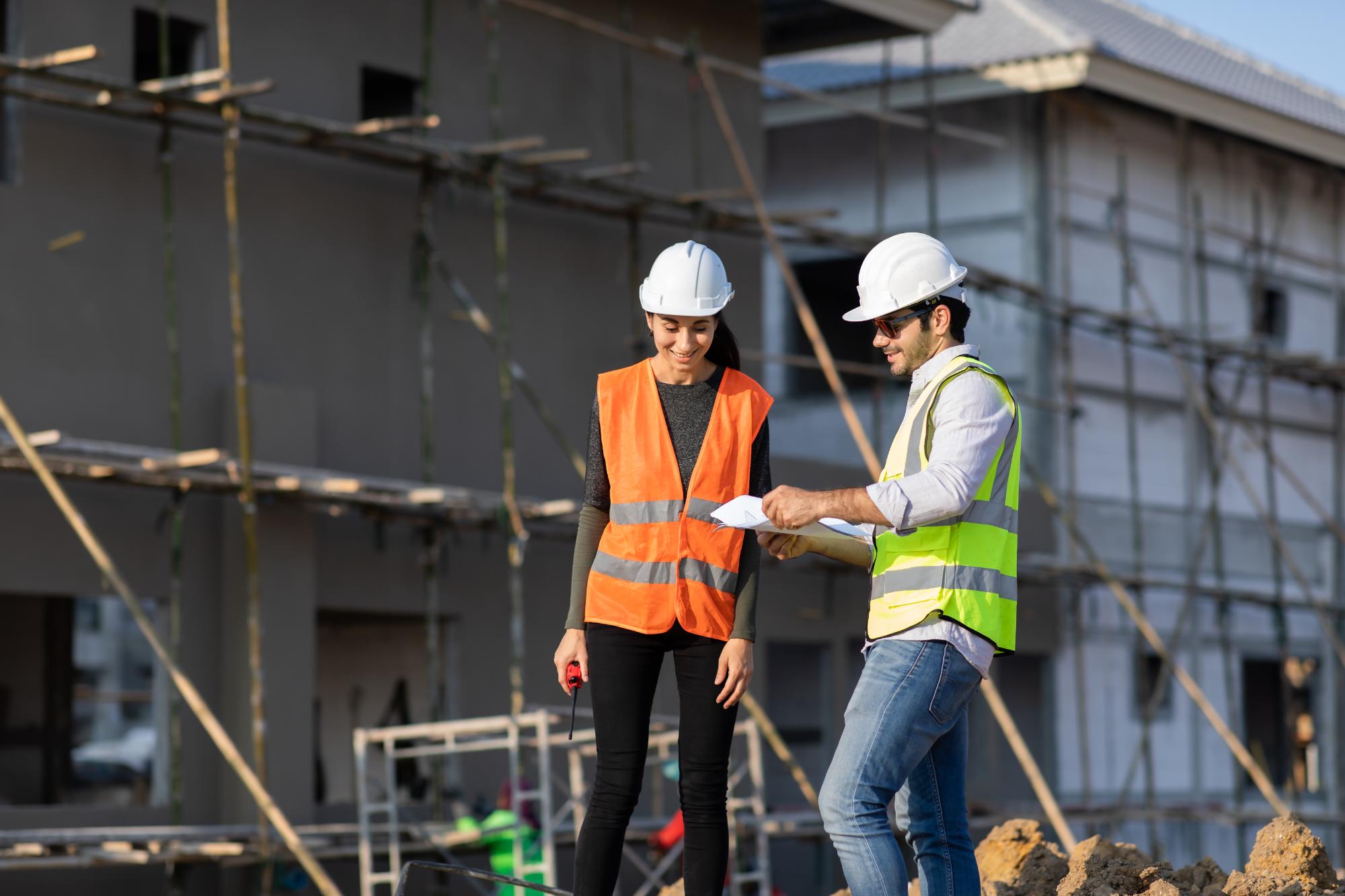
HVAC systems, boilers, and plumbing systems typically require special inspections for commercial projects in Brooklyn. The specific requirements depend on your project scope and building use.
HVAC inspections cover heating, ventilation, and air conditioning components including ductwork, equipment installation, and energy code compliance. Boiler inspections examine safety systems, controls, venting, and proper installation according to NYC mechanical codes. Plumbing inspections verify water supply systems, drainage, fixture installations, and backflow prevention devices meet current code requirements.
The key is engaging experienced inspectors early in the process who understand which inspections apply to your specific project and can coordinate with your construction schedule to avoid delays.
Inspection timeframes vary based on system complexity and project size, but most mechanical inspections can be completed within a few hours to a full day for typical commercial projects.
HVAC system inspections might take 2-4 hours depending on the number of units and complexity of ductwork. Boiler inspections typically require 1-3 hours for testing safety systems and verifying proper installation. Plumbing system inspections can range from 2-6 hours based on the building size and number of fixtures.
The most important factor is working with experienced inspectors who know exactly what to look for. This prevents the delays that come from inexperienced inspectors who need multiple visits to complete their assessment properly.
Mechanical inspections should be scheduled at specific phases during construction, not just at the end when problems are expensive to fix.
For HVAC systems, initial inspections occur after rough installation but before walls are closed up. This allows access to ductwork, connections, and mounting systems. Final HVAC inspections happen after system commissioning and testing. Boiler inspections typically occur after installation but before final connections to verify proper mounting, venting, and safety system installation.
Plumbing inspections are usually conducted after rough plumbing installation and again after fixture installation. The key is coordinating with your construction schedule and engaging inspectors who understand the optimal timing for each system type.
You receive comprehensive inspection reports that document system compliance and provide the records needed for DOB submittal and project closeout.
Reports include detailed findings for each system inspected, verification that installations meet approved plans and applicable codes, identification of any issues requiring attention, and photographic documentation of key components and installations. For special inspections, you also receive the required technical reports (TR1 forms) that must be submitted to the DOB.
This documentation serves multiple purposes: it supports smooth project closeouts, provides compliance records for future reference, and gives you confidence that systems will function as designed. Experienced inspectors ensure reports are thorough and meet all DOB requirements the first time.
Most inspection failures result from inadequate preparation, inexperienced inspectors, or poor coordination between contractors and inspection agencies.
Common issues include systems not being ready for inspection when inspectors arrive, missing documentation or permits, installations that don’t match approved plans, or safety systems that haven’t been properly tested. Inexperienced inspectors may also miss critical issues during initial inspections, requiring expensive return visits.
The solution is working with experienced inspection agencies who coordinate properly with your construction schedule, understand exactly what needs to be ready for each inspection phase, and have the technical knowledge to identify and resolve issues efficiently. This prevents the costly delays that come from failed inspections and rework.
Look for agencies with extensive experience in commercial mechanical systems, direct communication with senior staff, and a track record of efficient project closeouts.
Key factors include the inspector’s actual field experience (not just recent graduates), understanding of NYC building codes and DOB requirements, ability to coordinate with your construction schedule, and responsiveness when issues arise. You want inspectors who provide direct access to experienced professionals rather than routing you through multiple layers of staff.
Ask about their experience with your specific system types and project complexity. The right agency will have seasoned professionals who understand both the technical requirements and practical realities of Brooklyn construction, ensuring inspections are thorough, accurate, and completed efficiently.
Useful Links
Special Inspections You Can Rely On
Our team delivers thorough special inspections and tenant protection plan inspections, guaranteeing the highest standards for every project.
Broadway Inspections
Company
Support
Useful Links