Broadway Inspections provides experienced special inspection services for NYC construction projects with direct owner communication and comprehensive compliance expertise.
Share:
Summary:
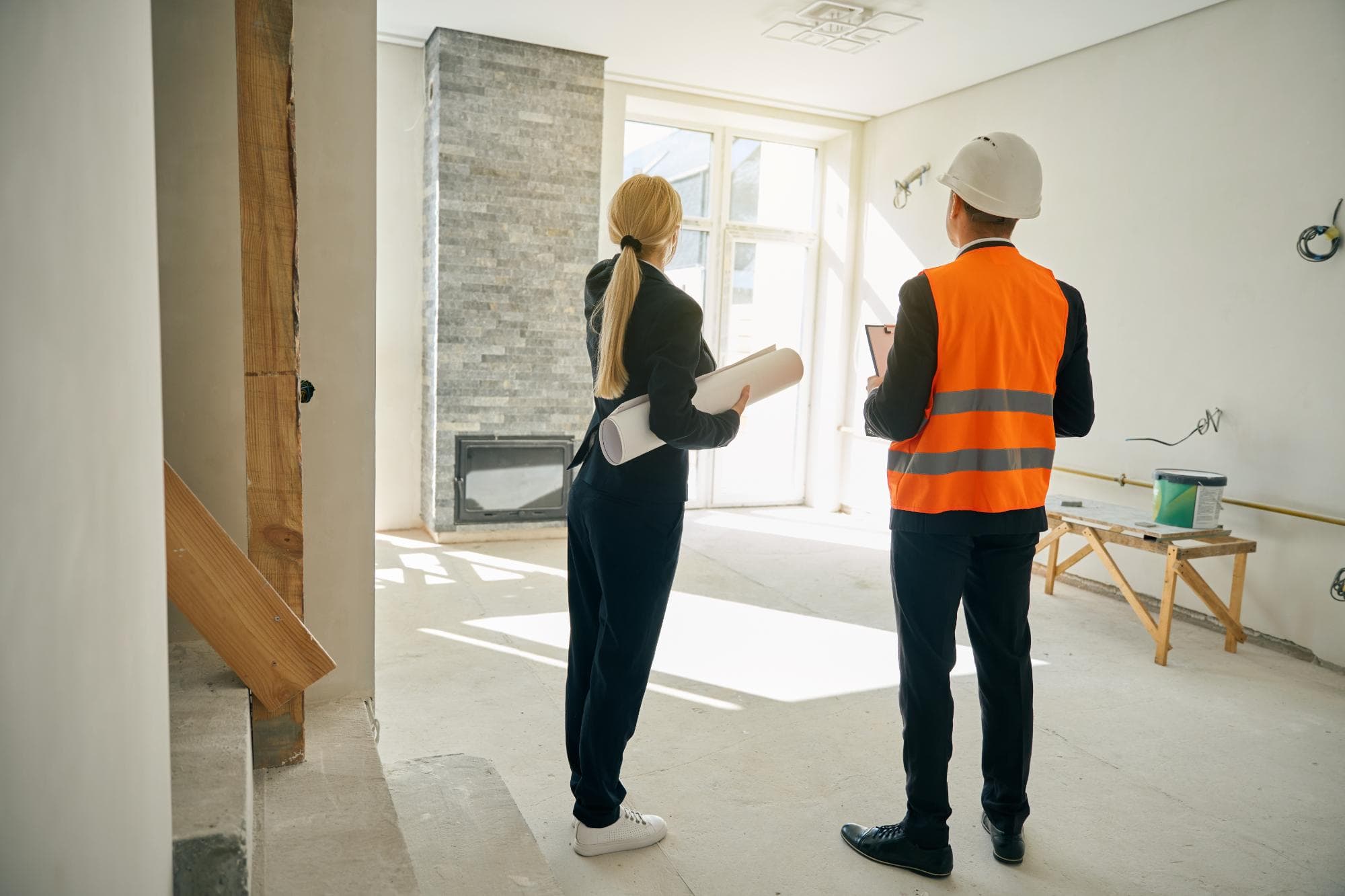
Special inspections are ‘inspection of selected materials, equipment, installation, fabrication, erection or placement of components and connections, to ensure compliance with approved construction documents and referenced standards as required by this chapter or elsewhere in this code or its referenced standards’ (BC 1702.1). Special inspections are performed by Special Inspectors on behalf of registered Special Inspection Agencies (SIAs).
Special inspections have been required for all NYC projects since July 2008. Essentially, the process entails hiring an independent, licensed third party to assess critical construction work and compliance with approved plans and building code. This isn’t just bureaucratic paperwork—it’s your protection against costly violations, project delays, and liability issues.
The reality is that typically, most projects undergo between three and four special inspections. The number of special inspections a project submits to is dependent on the type of construction work being performed, which is itself influenced by factors such as the intended use of the building.
Here’s what most people don’t realize about special inspections: the difference between an experienced inspector and a recent graduate can make or break your project timeline. Many large agencies send inexperienced staff who are still learning the ropes, which means longer inspection times, more questions, and potential issues that could have been caught earlier.
An experienced special inspection agency brings 17 years of industry knowledge to your project. We know exactly what to look for, can spot potential problems before they become major issues, and understand the nuances of NYC’s building codes that only come from years in the field.
When you’re dealing with the most common work types relate to sprinkler systems, energy compliance and mechanical systems. Yet there are often subsets of investigations to consider. For example, inspecting HVAC ceiling installations and water heating controls is part of energy code compliance. This level of detail requires someone who’s been through these inspections hundreds of times, not someone reading from a manual.
The construction industry has seen significant growth, with total initial permits for new building projects increasing by over 24 percent compared to 2023. The 103,592 initial construction permits issued by DOB in 2024 is the highest in five years. This means more competition for experienced inspectors, making it even more crucial to work with an agency that has seasoned professionals on staff.
Your project deserves inspectors who can move efficiently through the process, communicate clearly about any issues, and help you maintain your schedule. That’s the difference between working with a team that’s been doing this for nearly two decades versus one that’s still figuring it out.
Here’s what most people don’t realize about special inspections: the difference between an experienced inspector and a recent graduate can make or break your project timeline. Many large agencies send inexperienced staff who are still learning the ropes, which means longer inspection times, more questions, and potential issues that could have been caught earlier.
An experienced Special inspections agency brings 17 years of industry knowledge to your project. We know exactly what to look for, can spot potential problems before they become major issues, and understand the nuances of NYC’s building codes that only come from years in the field.
When you’re dealing with the most common work types relate to sprinkler systems, energy compliance and mechanical systems. Yet there are often subsets of investigations to consider. For example, inspecting HVAC ceiling installations and water heating controls is part of energy code compliance. This level of detail requires someone who’s been through these inspections hundreds of times, not someone reading from a manual.
The construction industry has seen significant growth, with total initial permits for new building projects increasing by over 24 percent compared to 2023. The 103,592 initial construction permits issued by DOB in 2024 is the highest in five years. This means more competition for experienced inspectors, making it even more crucial to work with an agency that has seasoned professionals on staff.
Your project deserves inspectors who can move efficiently through the process, communicate clearly about any issues, and help you maintain your schedule. That’s the difference between working with a team that’s been doing this for nearly two decades versus one that’s still figuring it out.
Want live answers?
Connect with a Broadway Inspections expert for fast, friendly support.
NYC construction projects require a wide range of special inspections, from structural and mechanical systems to energy compliance and tenant protection plans. We provide a comprehensive range of inspections including progress, energy, mechanical, structural, civil, architectural and sprinkler/standpipe to ensure your project meets all safety and code requirements.
The key is working with an agency that can handle all these inspection types efficiently, rather than coordinating between multiple specialized firms. This streamlined approach reduces scheduling conflicts, ensures consistent quality standards, and gives you a single point of contact for all your inspection needs.
Whether you’re dealing with a commercial renovation in Manhattan or new construction in Brooklyn, the inspection requirements are complex and interconnected. Having one experienced team that understands how these different systems work together can prevent costly oversights and delays.
Structural inspections form the backbone of any construction project’s safety compliance. These aren’t just checkbox exercises—they’re critical evaluations that ensure your building can safely support its intended loads and meet all seismic and wind resistance requirements.
High-rise buildings: Structural integrity is paramount in tall buildings, and special inspections ensure that systems like steel framing, concrete reinforcement, and fireproofing are installed correctly. Foundations and substructures: Ensuring that foundations, pilings, and retaining walls are built according to design specs. Fire protection systems: Fireproofing materials and fire-rated assemblies often require special inspection to meet fire safety codes.
The complexity of these inspections requires someone who understands not just what to look for, but why it matters. When we examine steel connections, we’re not just checking that bolts are tight—we’re evaluating the entire load path and ensuring that the connection can perform as designed under various stress conditions.
Engineering inspections go beyond basic compliance to verify that systems will perform reliably over the building’s lifetime. This includes evaluating material quality, installation methods, and the integration between different building systems. An experienced inspector can spot potential issues that might not cause immediate problems but could lead to costly repairs or safety concerns down the road.
For architects and construction managers, this level of thoroughness provides peace of mind and protection against liability. When you know that your structural systems have been thoroughly evaluated by someone with 17 years of experience, you can move forward with confidence that your building meets not just minimum code requirements, but professional standards for long-term performance.
The DOB’s emphasis on construction safety has intensified, with building construction-related injuries down in 2024 by over 31 percent compared to the same period of time in 2023. Construction work site incidents are down 29 percent, and building construction related fatalities are down 14 percent. This improvement comes from stricter enforcement and more thorough inspections, making it even more important to work with an agency that takes these requirements seriously.
Tenant protection plan inspections represent one of the most challenging aspects of NYC construction compliance, especially when working in occupied buildings. We ensure the tenant protection plan is met throughout construction to guarantee safety of the tenants and the building. Our tenant protection plan inspections ensure the safety of residents during construction in occupied buildings, offering peace of mind throughout your project.
These inspections aren’t just about meeting regulatory requirements—they’re about protecting people who continue to live and work in buildings during construction. This requires a deep understanding of how construction activities can impact occupied spaces, from dust and noise control to structural safety and emergency egress.
The complexity of tenant protection plan compliance has increased significantly in recent years. If the job is to be filed as a GC work-type and will be affecting residents of the building, then that would most likely trigger a TPP requirement. QUESTION: Is a Tenant Protection Plan (TPP) Special Inspector required to be identified by the TPP Design Applicant every time a TPP is filed or required? Are there specific triggers/best practices? · ANSWER: The Tenant Protection Plan (TPP SI should be designated and specified by the AOR/EOR.
An experienced inspector understands the nuances of these requirements and can help you navigate the complex coordination between construction activities and tenant safety. We know when additional protective measures are needed, how to document compliance effectively, and how to work with both construction teams and building occupants to ensure everyone’s safety.
For construction managers working on occupied buildings, this expertise is invaluable. The last thing you want is a tenant complaint or DOB violation that could shut down your project. When you work with an agency that specializes in tenant protection plan inspections, you’re getting someone who understands both the technical requirements and the human element of construction in occupied buildings.
The inspection process also involves ongoing monitoring throughout the construction period, not just initial approval. This means your inspector needs to be available for regular check-ins, respond quickly to any issues that arise, and maintain detailed documentation of compliance throughout the project lifecycle.
The success of your NYC construction project depends on more than just good design and skilled contractors—it requires a special inspection agency that understands your needs, responds when you call, and brings real experience to every inspection. However, there can be much confusion surrounding when special inspections are required and related considerations like who completes the inspections. Understanding special inspections in NYC is vital to keeping your project on schedule and ensuring an efficient closeout process.
When you’re choosing a special inspection agency, you’re not just hiring a service provider—you’re selecting a partner who will play a crucial role in your project’s success. The difference between working with experienced professionals and inexperienced staff can mean the difference between a smooth project closeout and costly delays.
For architects and construction managers who value direct communication, experienced inspectors, and comprehensive service, Broadway Inspections offers the expertise and personal attention that larger agencies simply can’t match. When your project needs special inspections done right the first time, experience and communication make all the difference.
Article details:
Share:
Continue learning:
Special Inspections You Can Rely On
Our team delivers thorough special inspections and tenant protection plan inspections, guaranteeing the highest standards for every project.
Broadway Inspections
Company
Support
Useful Links