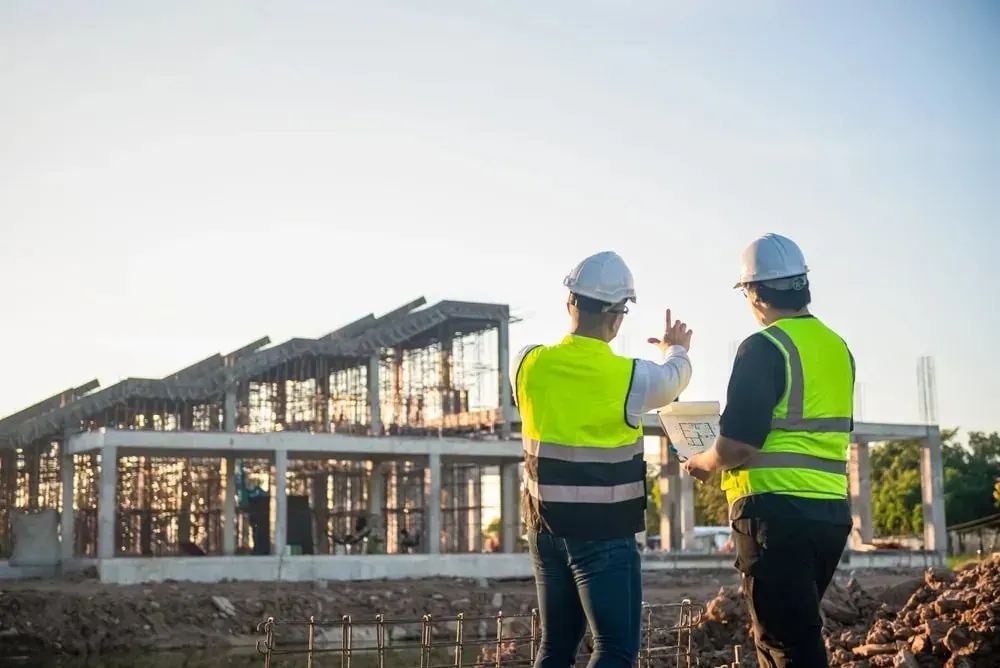
Professional tenant protection plan inspections across NYC's five boroughs with experienced inspectors who understand compliance requirements.
Share:

Summary:
A Tenant Protection Plan is a document outlining the details and measures contractors and building owners must implement to safeguard the well-being of tenants residing in a building during construction or renovation activities. The primary goal of TPPs is to minimize service disruptions and mitigate the negative impacts of construction on tenants.
But here’s the reality: most TPPs are written to check boxes, not protect people. A robust protection plan goes beyond the minimum requirements to create real safeguards that keep tenants safe and your project compliant.
The difference shows up in the details. How dust containment actually works in practice. What happens when utilities need to be shut off. How emergency egress stays clear when work areas change daily.
Include a statement of compliance related to lead and asbestos that describes what measures will be taken to meet mandatory requirements. Compliance with Housing Standards. Demonstrate compliance with the NYC Housing Maintenance Code and the New York State Multiple Dwelling Law during construction.
Your TPP needs to cover seven specific areas, and each one can make or break your project. Egress planning isn’t just about marking exits on a drawing—it’s about ensuring those exits stay functional when construction equipment blocks hallways or scaffolding changes building access.
Fire safety measures must account for how construction activities affect sprinkler systems, fire alarm coverage, and emergency response access. No structural work can be done that may endanger the occupants. This means understanding load paths, temporary supports, and how demolition sequences affect building stability.
Health requirements go beyond basic dust control. You’re dealing with debris disposal schedules, pest control during construction, and maintaining sanitary facilities when plumbing work affects multiple units. Identify the specific measures used to limit noise in accordance with the NYC Noise Control Code and specify the hours of the day, as well as the days of the week when the construction will occur. Describe the means and methods that will be used to maintain heat, hot water, cold water, gas, electricity, or other utility services. Any anticipated disruption of any services, the length of disruption, steps taken to minimize the disruption, and the alternate arrangements to provide that service during the disruption must be specified.
Include a statement of compliance related to lead and asbestos that describes what measures will be taken to meet mandatory requirements. Compliance with Housing Standards. Demonstrate compliance with the NYC Housing Maintenance Code and the New York State Multiple Dwelling Law during construction.
Your TPP needs to cover seven specific areas, and each one can make or break your project. Egress planning isn’t just about marking exits on a drawing—it’s about ensuring those exits stay functional when construction equipment blocks hallways or scaffolding changes building access.
Fire safety measures must account for how construction activities affect sprinkler systems, fire alarm coverage, and emergency response access. No structural work can be done that may endanger the occupants. This means understanding load paths, temporary supports, and how demolition sequences affect building stability.
Health requirements go beyond basic dust control. You’re dealing with debris disposal schedules, pest control during construction, and maintaining sanitary facilities when plumbing work affects multiple units. Identify the specific measures used to limit noise in accordance with the NYC Noise Control Code and specify the hours of the day, as well as the days of the week when the construction will occur. Describe the means and methods that will be used to maintain heat, hot water, cold water, gas, electricity, or other utility services. Any anticipated disruption of any services, the length of disruption, steps taken to minimize the disruption, and the alternate arrangements to provide that service during the disruption must be specified.
Want live answers?
Connect with a Broadway Inspections expert for fast, friendly support.
Failure to File a Tenant Protection Plan (TPP): First Offense: $10,000; Second Offense: up to $25,000. Failure to Comply with TPP: OATH violation with penalty of $1,600; FTM-No Fire Stopping (if applicable) penalty of $2,500. Failure to Post TPP Notice and/or Safe Construction Bill of Rights: OATH violation with penalty of $1,250 for each.
These aren’t just numbers on a penalty schedule. They’re project killers. A $25,000 fine wipes out profit margins and creates liability issues that follow you to future projects.
But the real cost isn’t just the penalties. It’s the stop-work orders, the delays, the reputation damage, and the insurance complications that come with violations.
Most TPP violations don’t happen because contractors ignore the rules. They happen because the protection plan doesn’t account for how construction actually works. The plan says dust containment will be maintained, but it doesn’t specify what happens when HVAC work requires removing temporary barriers.
Failure to Notify the Department 72 hours prior to start of work: OATH violation with penalty of $1,250. Stop Work Order is issued if dangerous conditions are present. This 72-hour notification requirement catches many contractors off guard because it’s not just about starting work—it’s about any changes to the work that affect tenant protection.
The inspection process reveals these gaps before they become violations. An experienced inspector knows what to look for: are the temporary fire assemblies actually fire-rated? Is the emergency lighting working when main power is shut off for electrical work? Are the noise mitigation measures effective during actual construction, not just on paper?
Common violation triggers include inadequate dust control during demolition, blocked egress routes when materials are delivered, disrupted essential services without proper tenant notification, and noise violations during restricted hours. Each of these seems minor until DOB shows up for an inspection.
We have over 17 years of experience providing special inspections for commercial, educational, residential, and retail establishments throughout all five boroughs of New York City. Our consulting engineers thoroughly review and inspect all aspects of every job, no matter how big or small, until we are satisfied.
But here’s what 17 years of experience really means in practice. It means knowing that the dust control system that works in a prewar building won’t work in a postwar high-rise. It means understanding that tenant complaints about noise aren’t just about decibel levels—they’re about frequency, duration, and timing.
Experience means recognizing when a protection plan looks good on paper but won’t work in reality. When the architect specs a certain type of temporary barrier, but the building’s HVAC system will create pressure differentials that make it ineffective. When the construction schedule shows work happening in sequence, but the actual logistics require overlapping phases that affect tenant protection.
Most importantly, experience means knowing how to communicate with all parties—tenants, contractors, building management, and DOB inspectors—to keep projects moving forward. Our experienced team is committed to delivering thorough, reliable inspection services with a focus on safety, quality, and client satisfaction. Our team brings years of industry experience to provide reliable, precise inspections.
The difference between an experienced inspector and a recent graduate isn’t just technical knowledge. It’s understanding how buildings actually work, how construction actually happens, and how to solve problems before they become violations.
We ensure the tenant protection plan is met throughout construction to guarantee safety of the tenants and the building. Our tenant protection plan inspections ensure the safety of residents during construction in occupied buildings, offering peace of mind throughout your project.
The reality is simple: you can’t afford to get TPP compliance wrong. The penalties are too high, the delays too costly, and the reputation damage too lasting. But you also can’t afford to work with inspectors who don’t understand the practical realities of construction.
As a New York City based company, we ensure your project meets all city-specific codes and regulations. We complete inspections on schedule, keeping your project moving forward without delays. When you need TPP inspections that actually protect your tenants and your project, Broadway Inspections brings the experience and local knowledge that makes the difference.
Article details:
Share:
Continue learning:
Special Inspections You Can Rely On
Our team delivers thorough special inspections and tenant protection plan inspections, guaranteeing the highest standards for every project.
Broadway Inspections
Company
Support
Useful Links