Manhattan special inspections require experienced professionals who understand NYC's complex requirements and can prevent costly project delays.
Share:
Summary:
Special inspections have been required for all New York City construction projects since July 2008. But Manhattan brings unique challenges that go beyond basic compliance.
The density of construction, the complexity of building systems, and the interconnected nature of inspections mean you can’t treat this like a simple checkbox exercise. Whether you’re dealing with a commercial renovation in Manhattan or new construction, the inspection requirements are complex and interconnected, and having one experienced team that understands how these different systems work together can prevent costly oversights and delays.
Special inspections are defined as “inspection of selected materials, equipment, installation, fabrication, erection or placement of components and connections, to ensure compliance with approved construction documents and referenced standards”. This isn’t just a formality—it’s a comprehensive evaluation of your project’s most critical elements.
The Design Applicant for the project (Professional Engineer or Registered Architect) identifies the special inspections required for a project and lists those inspections on the TR-1 form. But here’s where many projects run into trouble: the inspections themselves require coordination, timing, and expertise that goes far beyond what’s written on paper.
The special inspections required for a particular project depend on the types of work performed. An exterior repair program may require special inspections of masonry, concrete, and brick veneer. A boiler replacement project could entail special inspections of the heating system, fuel storage, and piping. Each inspection type has specific timing requirements and must be coordinated with your construction sequence.
The challenge isn’t just knowing what inspections you need—it’s understanding when they need to happen and how they connect to each other. Miss the timing on a concrete pour inspection, and you’re looking at potential delays that ripple through your entire schedule.
Not all special inspection agencies are created equal. Unlike larger agencies that send recent graduates, we provide direct access to seasoned professionals who understand what they’re looking at. This difference becomes critical when you’re dealing with Manhattan’s complex construction environment.
Special inspectors must be either a Professional Engineer or Registered Architect, or have training, education, and substantial experience for the given inspection. Inspectors who are not licensed design professionals must also obtain relevant credentials from nationally recognized construction certification programs. But the minimum qualifications don’t tell the whole story.
An experienced inspector can spot potential issues before they become problems. They understand the practical realities of construction sequencing and can work with your team to identify the best times for inspections. Special inspectors who work for the engineering or architectural firm that designed the repair project are more likely to have a comprehensive understanding of the drawings and the intent of the design, which should improve the quality and efficiency of the inspections.
When you’re working with inspectors who have 15+ years of field experience, you’re not just getting compliance—you’re getting insights that can help your project run more smoothly. They know what to look for, they understand the common pitfalls, and they can communicate findings in ways that actually help your team move forward rather than creating roadblocks.
Want live answers?
Connect with a Broadway Inspections expert for fast, friendly support.
Preparation makes the difference between inspections that support your project timeline and inspections that derail it. The key is understanding that special inspections aren’t something that happens to your project—they’re part of your project management strategy.
Ideally, a special inspector is secured before any construction permits are issued, and once construction has begun, it’s paramount for general contractors to communicate with the special inspector on when to visit the site to perform an assessment. This early coordination prevents the scrambling that leads to delays and missed inspections.
NYC construction projects require a wide range of special inspections, from structural and mechanical systems to energy compliance and tenant protection plans, including progress, energy, mechanical, structural, civil, architectural and sprinkler/standpipe inspections. The complexity isn’t just in the individual inspections—it’s in how they all work together.
The key is working with an agency that can handle all these inspection types efficiently, rather than coordinating between multiple specialized firms. This streamlined approach reduces scheduling conflicts, ensures consistent quality standards, and gives you a single point of contact for all your inspection needs. When you’re juggling structural inspections, mechanical system reviews, and energy compliance checks, having one experienced team that understands how these systems interconnect becomes invaluable.
Consider a typical Manhattan commercial project: your structural steel needs inspection before concrete can be poured, but your mechanical rough-ins need to be coordinated with the structural work, and your energy compliance inspections need to happen at specific milestones. Miss the coordination between any of these elements, and you’re looking at delays that compound quickly.
The most successful projects treat special inspections as an integrated part of their construction management strategy rather than a separate compliance requirement. This means involving your inspection agency in planning conversations, sharing your construction schedule early, and maintaining open communication throughout the process.
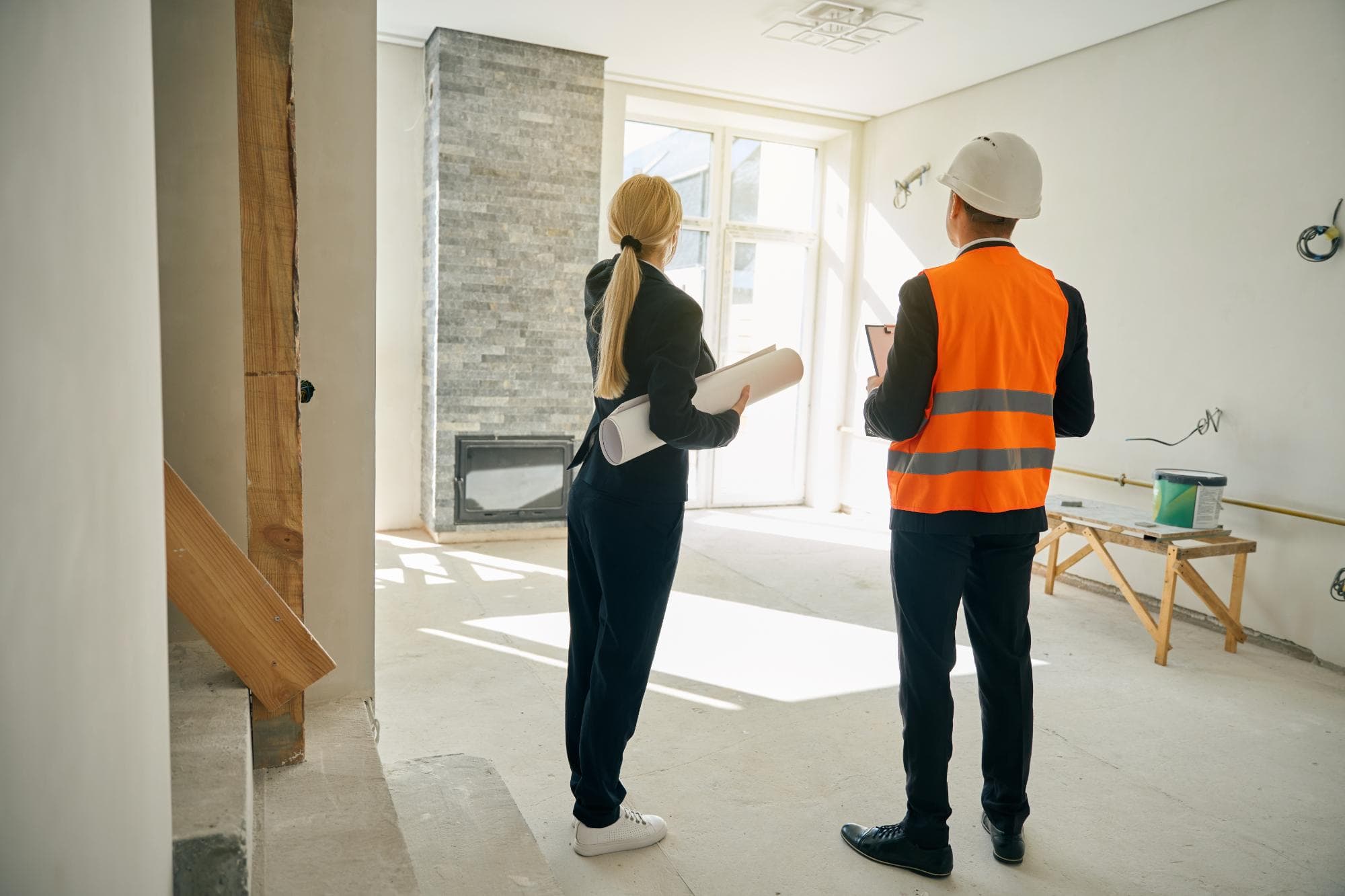
During the inspection itself, special inspectors will either verify that the work has been completed to plans and code, or otherwise determine there is insufficient quality or compliance that requires next steps. Special inspectors will help resolve such issues, and once all special inspections have been completed, the special inspector signs approval on the TRs.
But the real value of working with experienced inspectors shows up in how they handle the process. When inspecting concrete work, experienced inspectors don’t just note the mix; they observe placement techniques, curing processes, and reinforcement positioning, comparing these directly against approved plans and industry best practices. This methodical process helps identify any deviations early, allowing for proactive issue resolution.
Throughout the project, the special inspector submits periodic special inspection reports to the building owner and the contractor. The special inspector must immediately notify the contractor if any discrepancies are observed in the work, and if these deficiencies are not corrected, the special inspector must bring them to the attention of the owner and the Design Engineer/Architect.
The inspection process works best when there’s clear communication and mutual understanding of expectations. It’s highly recommended that the owner, general contractor, and special inspection agency hold a kickoff meeting to establish project expectations and the timing of when the agency should be present to review the work, and sometimes a “friendly” reminder to the general contractor is all it takes to ensure the inspection requirements are fulfilled.
When you’re choosing a special inspection agency, you’re not just hiring a service provider—you’re selecting a partner who will play a crucial role in your project’s success. The difference between working with experienced professionals and inexperienced staff can mean the difference between a smooth project closeout and costly delays.
Your Manhattan construction project deserves inspectors who understand both the technical requirements and the practical realities of NYC construction. The success of your NYC construction project depends on more than just good design and skilled contractors—it requires a special inspection agency that understands your needs, responds when you contact us, and brings real experience to every inspection.
For architects and construction managers who value direct communication, experienced inspectors, and comprehensive service, we offer the expertise and personal attention that makes the difference in Manhattan’s demanding construction environment.
Article details:
Share:
Continue learning:

Special Inspections You Can Rely On
Our team delivers thorough special inspections and tenant protection plan inspections, guaranteeing the highest standards for every project.
Broadway Inspections
Company
Support
Useful Links