Brooklyn mechanical inspections require experienced professionals who understand HVAC, boiler, and plumbing systems—not recent graduates learning on your project.
Share:

Summary:
Mechanical inspections evaluate your building’s critical operational systems—HVAC, boilers, plumbing, and related equipment. In Brooklyn’s demanding construction environment, these inspections aren’t just regulatory checkboxes. They’re your protection against costly system failures, code violations, and project delays.
When done properly by experienced professionals, mechanical inspections verify that your installations meet DOB requirements and will actually function as designed. The difference between a thorough inspection and a rushed one can mean the difference between smooth project closeout and expensive rework.
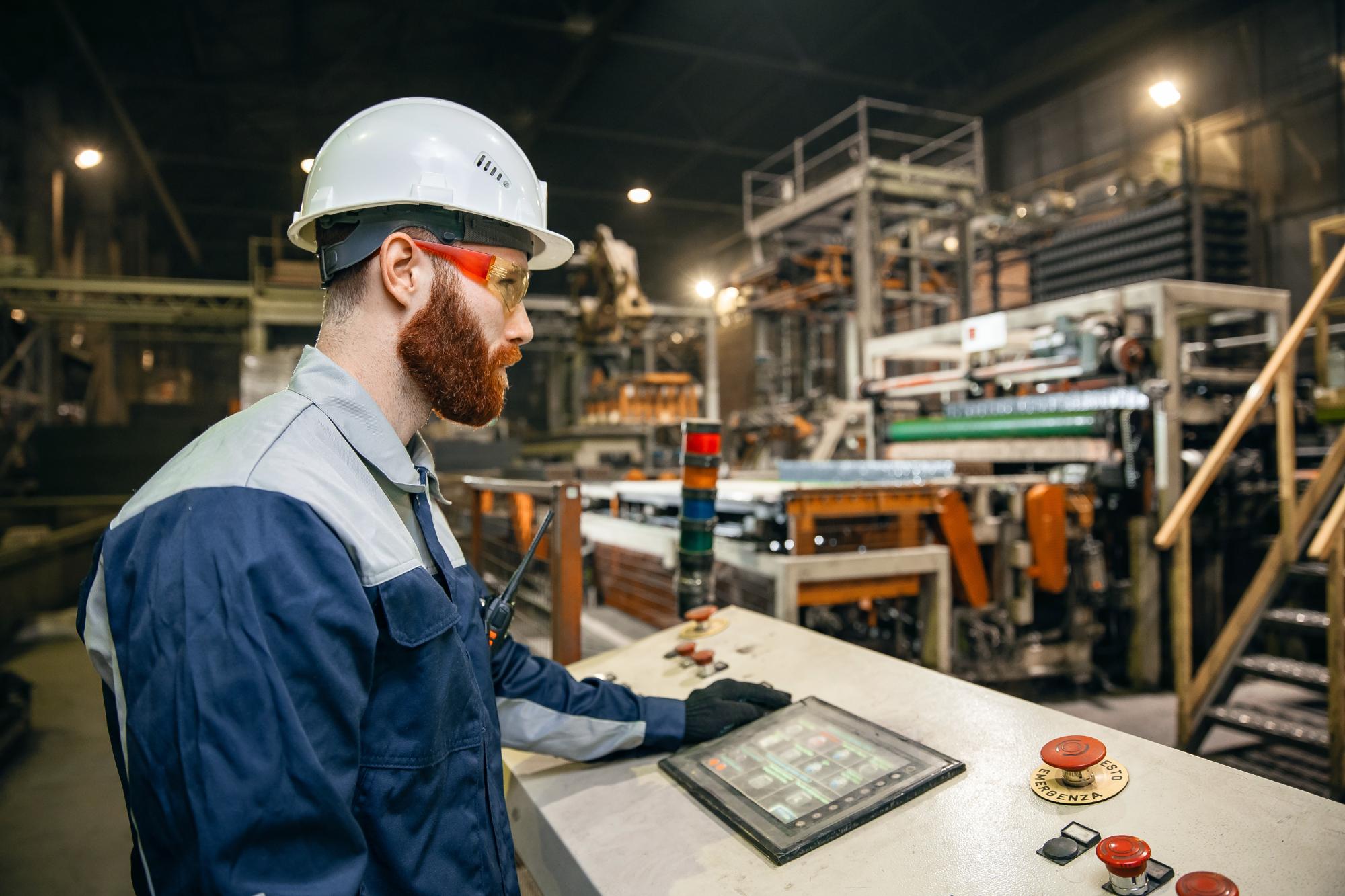
Your HVAC system is the backbone of building comfort and air quality, especially in Brooklyn’s varied climate conditions. A proper HVAC inspection goes beyond checking if equipment turns on—it verifies proper installation, adequate capacity, energy efficiency compliance, and integration with building automation systems.
During HVAC inspections, experienced technicians check thermostats, air filters, ductwork accessibility, refrigerant levels, electrical connections, and the overall operation of heating and cooling cycles. We examine airflow measurements, filter conditions, and safety controls to ensure your system meets current building codes and HVAC compliance inspection standards.
The inspection process also covers proper venting, combustion air supply where applicable, and seismic restraint requirements. Our inspectors understand that these details matter because they prevent both safety issues and costly compliance problems down the road. We know how Brooklyn’s unique construction challenges affect system performance, and we spot potential issues before they become expensive failures.
When HVAC inspections are done right the first time, you avoid the headache of discovering problems during final DOB inspections when fixing them becomes exponentially more expensive and time-consuming.
Boiler inspections in Brooklyn require understanding both installation requirements and ongoing compliance obligations. Whether you’re installing new equipment or maintaining existing systems, proper inspection ensures safety and prevents violations that can shut down your building operations.
For new installations, we verify proper sizing, venting, safety controls, and fuel supply connections. We check that equipment matches approved plans, has proper ASME stamps, and meets current efficiency requirements. Installation details like combustion air supply, flue gas venting, and emergency shutoffs receive careful attention because mistakes here create safety hazards.
The annual inspection cycle runs from January 1 to December 31, with low-pressure and high-pressure boiler internal and external inspections required within this timeframe. H-stamped and E-stamped boilers need both internal and external inspections within each calendar year, with reports filed within 14 days of inspection. Late filings trigger penalties starting at $50 per month per boiler, escalating to $1,000 for expired reports.
Our experienced inspectors know these compliance requirements inside and out. We understand that proper documentation protects building owners from liability while ensuring reliable operation. The inspection process covers integration with building automation systems, proper insulation and labeling, and seismic restraint requirements that many inexperienced inspectors miss.
Want live answers?
Connect with a Broadway Inspections expert for fast, friendly support.
Engineering inspections encompass the broader evaluation of MEP systems within your building’s overall design and construction. This comprehensive approach ensures all mechanical, electrical, and plumbing components work together properly, not just individually.
MEP stands for Mechanical, Electrical, and Plumbing—the core systems that handle climate control, power distribution, lighting, water supply, and drainage within a building. Engineering inspections verify that installation aligns with design specifications and building codes, confirming proper setup and function across all integrated systems.
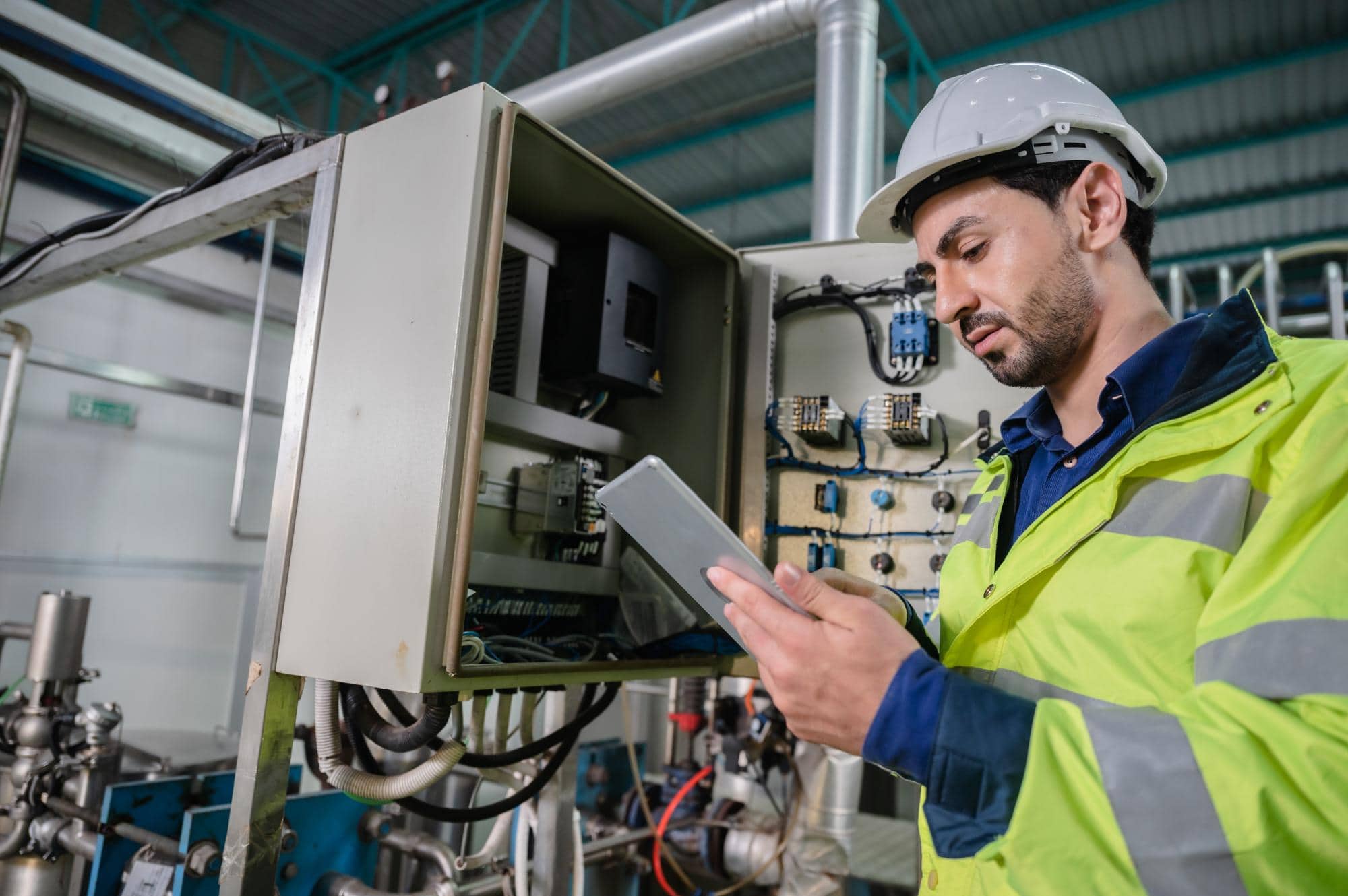
Plumbing inspections examine water supply lines, drain pipes, fixtures, connections, water heaters, and potentially gas lines to look for leaks, blockages, proper venting, and adherence to plumbing codes in Brooklyn. These inspections often identify issues like slow leaks, corrosion, or pressure irregularities that might not be immediately obvious during casual observation.
Our inspection process includes pressure testing to check for leaks, visual examination of accessible piping, and verification of proper fixture installation and operation. We check water pressure throughout the system, examine connections for signs of corrosion or deterioration, and verify that all installations meet current NYC plumbing codes.
For gas-related plumbing work, inspections must include successful gas pipe testing not more than one year old. For boilers with greater than 350,000 BTU or commercial boilers, either a 900-A report or the Boiler work type must be signed off by the department. These requirements aren’t suggestions—they’re mandatory compliance steps that prevent project delays.
The inspection covers proper venting systems, safety shutoffs, and integration with building fire protection systems where applicable. Our experienced inspectors understand how these systems interact and can spot potential problems that less experienced inspectors miss entirely.
Here’s what the industry won’t tell you: most special inspection agencies send recent college graduates with fresh certifications but zero real-world experience. They can identify obvious problems but completely miss the subtle issues that create expensive failures later. Broadway Inspections operates differently.
Our 17+ years of industry experience means we know exactly what we’re looking at during inspections. We understand Brooklyn’s unique construction challenges, from older building integration issues to complex commercial system requirements. When you call us, you’re getting experienced professionals who can make authoritative decisions on-site, not someone who needs to “check with the office.”
This experience translates directly into better outcomes for your project. We spot potential integration problems between different building systems before they become costly rework. We understand how mechanical systems perform in Brooklyn’s climate and building conditions. We know which installation details matter most for long-term reliability and code compliance.
The result is faster inspections, fewer callbacks, and systems that actually work as designed. Our direct communication approach means faster response times when issues arise, and solutions that work for your specific project requirements rather than generic recommendations that may not apply to your situation.
Mechanical inspections are too important to trust to inexperienced inspectors or agencies that treat your project like just another number. Your building’s operational systems need thorough evaluation by professionals who understand what they’re looking at and can communicate directly about what needs attention.
Broadway Inspections provides the experienced, responsive service that architects and construction managers need to keep projects moving forward. When your mechanical systems need professional evaluation, experience and direct communication make all the difference.
Article details:
Share:
Continue learning:

Special Inspections You Can Rely On
Our team delivers thorough special inspections and tenant protection plan inspections, guaranteeing the highest standards for every project.
Broadway Inspections
Company
Support
Useful Links