Master Manhattan's special inspection process from planning to certification with expert insights on requirements, timelines, and compliance.
Share:

Summary:
Think of special inspections as your project’s quality control checkpoint. Since July 2008, special inspections have been required for all New York City construction projects. These aren’t the same as regular DOB inspections—they’re performed by certified third-party agencies to verify that critical construction elements meet both your approved plans and NYC Building Code requirements.
Special inspections are performed by Special Inspectors on behalf of registered Special Inspection Agencies. The key word here is “registered”—not just anyone can perform these inspections in Manhattan. But here’s the reality: most commercial construction in Manhattan involves professional engineering or architectural services, which means you’re likely looking at special inspection requirements.

Special inspections are not required for building components unless the design involves the practice of professional engineering or architecture as defined by the Education Law of the State of New York. However, this exception rarely applies to commercial construction in Manhattan.
Any component of a building where the design involves professional engineering or architecture services requires a special inspection. Many of these are common work types, as special inspections assess sprinkler systems, which are required in 99% of job sites and locations throughout Manhattan.
The most common scenarios requiring special inspections include structural work, fire protection systems, mechanical installations, and energy code compliance measures. Typically, most projects undergo between three and four special inspections, though the exact number depends on the type of construction work being performed.
The building owner is responsible for hiring a registered Special Inspection Agency to perform all required inspections. This isn’t something you can delegate to your general contractor—the responsibility sits squarely with you as the owner. Special Inspections may only be performed by Special Inspectors working for a NYC Department of Buildings approved Special Inspection Agency, and these agencies serve as independent third parties with no affiliation to your contractor.
The process starts during your project’s design phase, not after construction begins. The Design Applicant for the project—either a Professional Engineer or Registered Architect—identifies the Special Inspections required for a project and lists those inspections on the TR-1 form, which is the DOB’s Technical Report Statement of Responsibility.
The DOB will not issue a work permit until the completed TR-1 is filed and completed. This means getting your special inspection agency on board early isn’t just recommended—it’s required for permit approval. Upon hiring a Special Inspection Agency, a Technical Report Statement of Responsibility form is required to be filed with the NYC DOB.
These forms are submitted at the time of permitting and require action from both the design applicant for identification purposes and the Special Inspection Agency confirming responsibility for conducting those identified inspections and testing services. This coordination between your design professional and inspection agency is critical for keeping your project moving forward without delays.
Want live answers?
Connect with a Broadway Inspections expert for fast, friendly support.
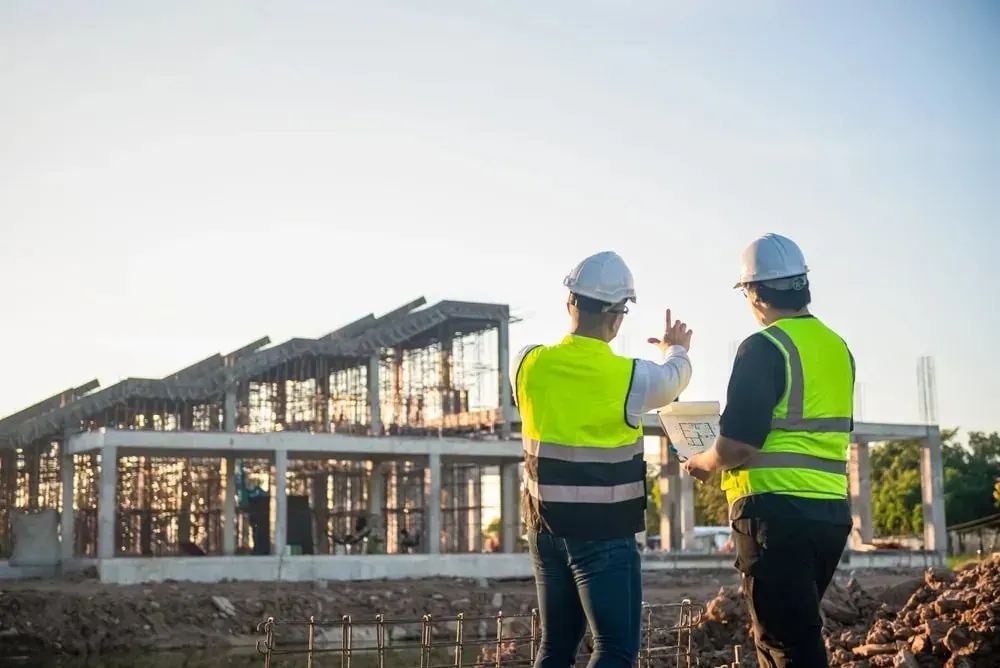
Once construction begins, it’s paramount for general contractors to communicate with the special inspector on when to visit the site to perform assessments. For example, the general contractor may contact the special inspector to notify them that sprinkler systems are ready for review.
During the inspection itself, special inspectors will either verify that the work has been completed according to plans and code, or determine there is insufficient quality or compliance that requires corrective action. Special inspectors help resolve such issues by documenting problems and discussing remediation options with your construction team and design professionals.

Special inspections involve direct observation of work such as welding, bolting, concrete placement, or masonry installation. Inspectors may use specialized tools like torque wrenches for bolt testing, slump cones for concrete consistency, or pachometers for rebar location, verifying that materials and workmanship meet project documents and code compliance.
The approach centers on detailed examination and clear communication. For instance, when inspecting concrete work, experienced inspectors don’t just note the mix—they observe placement techniques, curing processes, and reinforcement positioning, comparing these directly against approved plans and industry best practices. This methodical process helps identify any deviations early.
If an inspector notes a variance in steel bolt torque from specified requirements, they document it and communicate immediately, so corrections can be made before it becomes a more significant concern. Throughout the project, the Special Inspector submits periodic inspection reports to the building owner and contractor, and must immediately notify the contractor if any discrepancies are observed in the work.
Inspection methods vary from project to project, ranging from visual observation with simple measurement instruments to laboratory testing with sophisticated equipment. Simple facade repairs could be performed solely via visual observation and a tape measure, while concrete construction often requires several non-destructive and destructive physical tests in both field and laboratory settings.
Following each inspection, detailed reports are prepared that record observations, tests performed, results, and any non-conformance items. This meticulous record-keeping is vital for your project’s final approval and for the inspection agency to affirm that work meets necessary standards.
Once all special inspections have been completed, the special inspector signs approval on the Technical Reports, which are then circulated to the professional engineer or architect of record and building owner. Finally, the technical reports are submitted to the DOB for final project closeout.
The quality of documentation directly impacts your project’s success. Experienced agencies understand Manhattan’s unique construction challenges and can spot potential issues before they become expensive problems. They maintain comprehensive records that satisfy DOB requirements while providing actionable insights that enable you to address potential issues promptly.
This documentation serves multiple purposes: it provides transparency and accountability throughout the inspection process, creates a clear compliance record, and supports efficient project closeout. The thoroughness of these reports often determines how smoothly your final DOB approvals proceed.
When selecting a special inspection agency for your Manhattan project, experience matters more than you might think. Many agencies send recent college graduates with fresh certifications but zero real-world experience, who can identify obvious problems but completely miss subtle issues that create expensive failures later.
Look for agencies that specialize in Manhattan commercial projects and understand the unique challenges of construction in dense urban environments. Experience matters when dealing with complex structural work, fire protection systems, and the intricate coordination required to keep projects moving in Manhattan’s fast-paced construction environment.
At Broadway Inspections, we bring years of hands-on industry experience to every inspection, drawing from extensive real-world knowledge of what actually goes wrong on construction sites. When you work with experienced professionals who provide direct communication and understand your timeline, you get the responsive service and thorough inspections that keep your project on schedule. For Manhattan construction projects requiring special inspections, we offer the expertise and personal attention that ensures your project meets all DOB requirements without unnecessary delays.
Article details:
Share:
Continue learning:
Special Inspections You Can Rely On
Our team delivers thorough special inspections and tenant protection plan inspections, guaranteeing the highest standards for every project.
Broadway Inspections
Company
Support
Useful Links