Essential TPP strategies that keep Manhattan construction projects compliant while protecting tenants and avoiding costly violations.
Share:

Summary:
A tenant protection plan shall be prepared and submitted for the alteration, construction, or partial demolition of buildings in which any dwelling unit will be occupied during construction. The tenant protection plan shall be prepared by a registered design professional and filed with the department. This isn’t just paperwork—it’s your legal roadmap for keeping people safe during construction.
In New York City, Tenant Protection Plans and TPP Special Inspections are required for maintaining the safety and comfort of residents in residential and mixed-use buildings during construction and renovation projects. Once a Department of Buildings application for proposed work is approved, a registered design professional must prepare a TPP for review. Additionally, property owners are responsible for engaging a Special Inspection Agency to conduct periodic inspections.
The complexity here is real. The tenant protection plan must be site specific. The elements may vary depending on the nature and scope of the work but at a minimum, must comply with all applicable laws and regulations.

Construction monitoring is an ongoing process designed to maintain your safety and the integrity of the tenant protection plan throughout the duration of a building project. Unlike a one-time inspection, construction monitoring involves regular observation and assessment of construction activities and their impact on occupied areas.
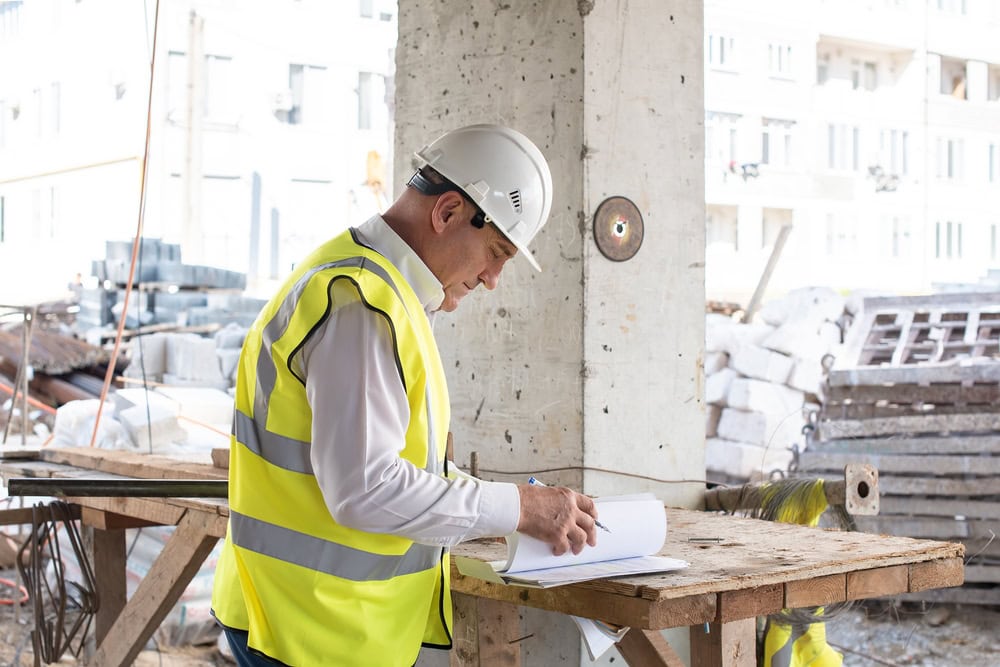
Effective construction monitoring goes beyond checking boxes. We verify that required fire-rated separations are intact, that exits are not blocked, and that emergency lighting is functional. We check on dust mitigation efforts, such as the use of plastic sheeting, HEPA filters, and negative air machines, to keep air quality as clean as possible. Noise levels may be monitored to see if they comply with limits set in the tenant protection plan or city regulations. Furthermore, the inspection will verify that essential services are maintained.
The difference between successful projects and those facing violations often comes down to proactive monitoring. When special inspectors identify hazardous conditions not immediately corrected, they must report these to the commissioner’s immediate attention via 311. This creates additional scrutiny and potential work stoppages that can significantly impact project timelines and costs. Proper TPP compliance isn’t just about avoiding penalties—it’s about maintaining project momentum.
Your monitoring strategy should include regular documentation, immediate response protocols for identified issues, and clear communication channels between all project stakeholders. This proactive approach helps identify potential problems before they escalate into violations that can shut down your entire operation.
Local Law 126 of 2021 added the special inspection requirements for projects that require a TPP. The law went into effect on November 7, 2022. Therefore, special inspections are required for all projects requiring a TPP that have been permitted on or after November 7, 2022. This isn’t a suggestion—it’s mandatory for your Manhattan project.
At a minimum, the tenant protection plan inspections shall be performed before commencement of any construction and demolition works, weekly while construction and demolition is ongoing, whenever a tenant protection plan violation is issued, when the site of the alteration or construction covered by the tenant protection plan is shifted, and when construction techniques have changed. Tenant protection plan inspections must be completed prior to beginning any construction or demolition activities, and at least once a week during their duration.
The inspection process requires detailed documentation. The inspector must keep a written record of the inspections performed for the TPP and maintain a log of these inspections at the job site. This log must include an entry for each inspection and indicate that the alteration or construction operation is being performed in accordance with the tenant protection plan. Copies of the special inspection log book should be maintained at the job site and at the office of the special inspector.
Working with experienced inspectors makes the difference. Unlike larger agencies that send recent graduates, we provide direct access to seasoned professionals who understand what they’re looking at. This difference becomes critical when dealing with Manhattan’s complex construction environment. An experienced inspector can spot potential issues before they become problems. We understand the practical realities of construction sequencing and can work with your team to identify the best times for inspections.
Want live answers?
Connect with a Broadway Inspections expert for fast, friendly support.
The TPP must describe the means and methods that will be used to maintain heat, hot water, cold water, gas, electricity, or other utility services. Any anticipated disruption of any services, the length of disruption, steps taken to minimize the disruption, and the alternate arrangements to provide that service during the disruption must be specified. This is where many projects run into trouble—underestimating the complexity of maintaining essential services.
Where heat, hot water, cold water, gas, electricity, or other utility services are provided in such building, the tenant protection plan shall specify the means and methods to be used for maintaining such services during such work. If a disruption is anticipated, then such plan shall specify the anticipated duration and the means to minimize such disruption, including the provision of sufficient alternatives.
Your strategy must account for Manhattan’s unique infrastructure challenges. Dense urban environments mean limited space for temporary utilities and complex coordination with multiple service providers.
The TPP must identify the specific measures used to limit noise in accordance with the NYC Noise Control Code and specify the hours of the day, as well as the days of the week when the construction will occur. Where hours of the day or days of the week in which construction work may be undertaken are limited, such limitations shall be stated.
Manhattan’s dense residential environment makes noise control particularly challenging. Noise levels may be monitored to see if they comply with limits set in the tenant protection plan or city regulations, particularly during sensitive hours. Your protocols need to address both regulatory compliance and tenant relations.
Health requirements must include specification of means and methods to be used for control of dust, disposal of construction debris, pest control and maintenance of sanitary facilities. Effective dust control requires multiple layers of protection, including negative air pressure systems, HEPA filtration, and proper containment barriers.
The key is implementing these controls before work begins, not after problems arise. Dust mitigation efforts include the use of plastic sheeting, HEPA filters, and negative air machines, to keep air quality as clean as possible. Regular monitoring ensures these systems remain effective throughout construction.
Your dust control strategy should include daily visual inspections, air quality monitoring, and immediate response protocols when containment systems fail. Document everything—this documentation becomes critical if tenant complaints or violations arise.
Egress requirements state that at all times in the course of construction provision shall be made for adequate egress as required by this code and the tenant protection plan shall identify the egress that will be provided. Required egress shall not be obstructed at any time except where approved by the commissioner.
Fire safety goes beyond maintaining exits. All necessary laws and controls, including those with respect to occupied dwellings, as well as additional safety measures necessitated by the construction shall be strictly observed. This means maintaining fire-rated assemblies, ensuring emergency lighting functions, and keeping fire protection systems operational.
We verify that required fire-rated separations are intact, that exits are not blocked, and that emergency lighting is functional. Your strategy must include regular verification that temporary fire safety measures remain effective throughout construction phases.
Manhattan’s older buildings often present unique challenges. Temporary fire-rated assemblies may be required to maintain separation between construction areas and occupied spaces. These systems need regular inspection and maintenance to ensure continued effectiveness.
The consequences of egress violations are severe. One missed inspection or violation can shut down your entire project with stop work orders and hefty fines. Your egress strategy should include daily walkthrough inspections, immediate response protocols for any obstructions, and clear communication with all trades about maintaining clear pathways.
TPP compliance in Manhattan requires more than checking regulatory boxes—it demands experienced professionals who understand both the technical requirements and practical project needs. With direct communication, detailed reporting, and thorough understanding of NYC DOB requirements, we help ensure construction work meets all safety standards while protecting your investment from costly delays and violations.
Working with experienced inspectors who understand both the technical requirements and the practical implications of compliance issues helps protect your investment from these risks. The difference between smooth project completion and costly delays often comes down to your inspection partner’s experience and communication.
When selecting your TPP inspection agency, prioritize experience over cost. Agencies that specialize in Manhattan commercial projects understand the unique challenges of construction in dense urban environments. Experience matters when dealing with complex structural work, fire protection systems, and the intricate coordination required to keep projects moving. We bring that specialized Manhattan expertise to every tenant protection plan project.
Article details:
Share:
Continue learning:

Special Inspections You Can Rely On
Our team delivers thorough special inspections and tenant protection plan inspections, guaranteeing the highest standards for every project.
Broadway Inspections
Company
Support
Useful Links