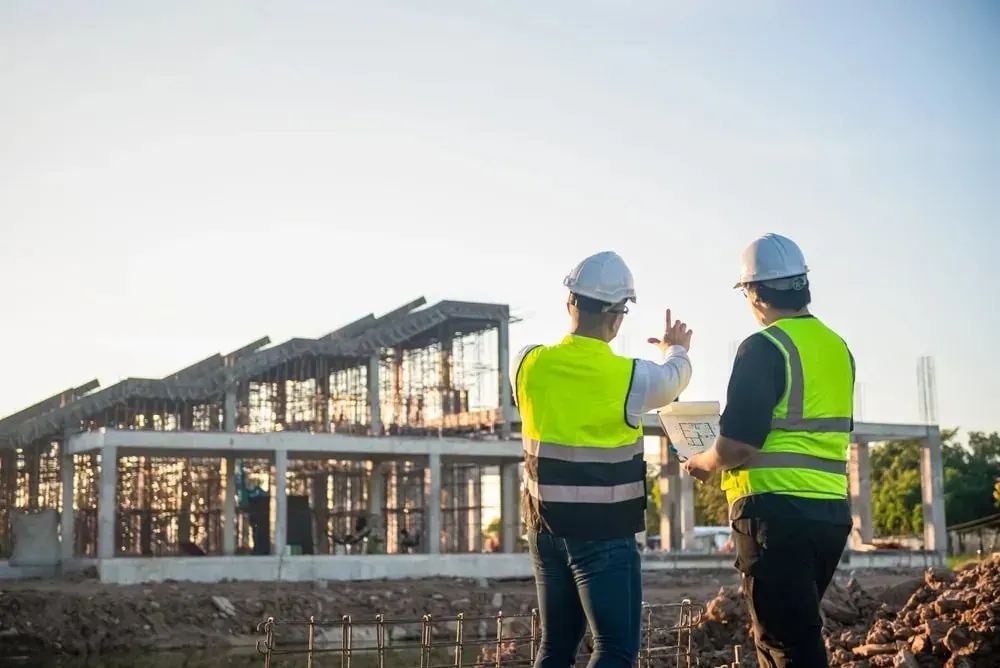

Construction in New York City requires a clear understanding of special inspections and strict compliance with NYC Department of Buildings regulations. Builders and developers must ensure projects meet these standards. This article provides a comprehensive checklist for special inspections, detailing required documentation, compliance criteria, and the procedural steps for streamlined approval. Implementing these measures reduces risk and improves project efficiency. The sections below address compliance standards, necessary documentation, approval steps, and the importance of selecting the right special inspection agency.
Key Takeaways
-
Special inspections in NYC ensure construction projects comply with safety, fire protection, and energy code standards.
-
Builders must submit key documentation like the TR1 form, approved plans, and detailed inspection reports to the DOB.
-
Following a structured inspection checklist helps streamline construction approval and avoid costly project delays.
-
Choosing a licensed and reputable special inspection agency is critical for regulatory compliance and effective communication.
-
Special inspections support tenant protection plans by monitoring construction impacts and ensuring occupant safety.
-
The NYC Department of Buildings regulates inspection requirements, inspector qualifications, and enforces compliance standards.
-
Timely preparation and submission of inspection documentation prevent approval delays and maintain project schedules.
-
Effective coordination between builders, inspection agencies, and regulatory bodies enhances compliance and project efficiency.
Compliance Standards
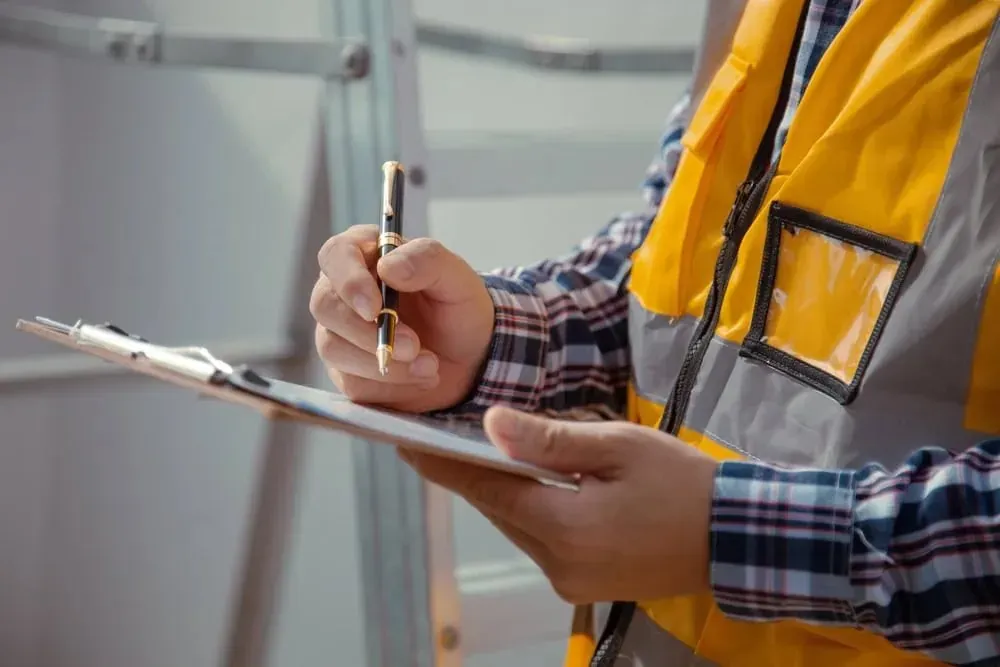
Compliance standards for special inspections in NYC ensure construction meets regulatory and safety requirements. The NYC Department of Buildings prescribes inspections throughout construction, including structural, fire protection, and energy code verifications. Adherence to these standards protects the public, facilitates approvals, and reduces the risk of costly schedule interruptions.
Necessary Documentation
Documentation is a fundamental element of the special inspection process. Builders and developers must prepare and submit specific records to demonstrate compliance with NYC regulations. Key documents include:
-
TR1 Form: This form must be filed with the NYC Department of Buildings before any work permits are issued.
-
Approved Construction Plans: These plans must be stamped and clearly define the scope of work.
-
Inspection Reports: Detailed reports must be generated after each inspection to document compliance and any corrective actions taken.
Maintaining complete and organised documentation significantly streamlines inspections and reduces the likelihood of project delays.
Steps for Achieving Streamlined Construction Approval
Streamlined construction approval requires a structured approach. The following steps guide builders and developers through the process:
-
Project Review and Planning: Conduct a thorough review of project plans and ensure all necessary inspections are identified.
-
On-Site Inspections: Schedule and conduct required inspections at various stages of construction to ensure compliance.
-
Corrective Actions: Address any issues identified during inspections promptly to avoid delays in project timelines.
Adherence to these steps increases the likelihood of timely approvals and sustained compliance with NYC requirements.
Choosing the Right Special Inspection Agency
Selecting a qualified special inspection agency is essential for regulatory compliance and successful project delivery. Consider the following factors when evaluating an agency:
-
Qualifications of the Agency: Ensure the agency has the necessary licenses and certifications to perform inspections.
-
Reputation and Communication: Look for agencies with a strong reputation for reliability and effective communication.
-
Importance of Agency Selection: The right agency can provide valuable insights and support throughout the inspection process, helping to navigate complex regulations.
Broadway Inspections is a licensed special inspection agency based in NYC that provides inspection services to ensure compliance with NYC building codes and tenant protection plan requirements. Their expertise supports a streamlined inspection process and verification that compliance standards are met.
What Are Special Inspections and Why Are They Essential in NYC Construction?
Special inspections are a required element of NYC construction oversight, intended to verify that building activities comply with approved plans and applicable codes. These inspections address structural integrity, fire safety, energy performance, and other critical elements. Early identification of issues through special inspections enables timely corrective actions, reducing delays and improving site safety.
Defining Special Inspections and Their Role in Building Compliance
Special inspections are mandated by the NYC Department of Buildings to confirm that specific construction work conforms to approved plans and code requirements. They play a central role in safeguarding building safety. For example, structural inspections evaluate load-bearing components, while fire protection inspections confirm that life-safety systems are installed and functioning.
How Special Inspections Support Tenant Protection Plan Requirements
Special inspections support tenant protection plans by verifying that construction activities do not compromise tenant safety. Continuous monitoring and documented evidence are required to demonstrate compliance. Close coordination with construction teams ensures tenant safety measures are implemented and maintained throughout the project.
How to Develop a Comprehensive Special Inspection Checklist for Builders and Developers
Developing a comprehensive special inspection checklist helps builders and developers meet NYC requirements. The checklist should specify required inspections, document preparation tasks, and scheduling for each inspection milestone.
Key Components of an Effective Construction Compliance Checklist
An effective construction compliance checklist should include the following components:
-
List of Required Inspections: Identify all inspections mandated by the NYC Department of Buildings.
-
Documentation Preparation: Ensure that all necessary documents are prepared and submitted in advance.
-
Reporting Requirements: Outline the reporting process for inspection results and any corrective actions taken.
Integrating NYC Building Inspection Process Steps into Your Checklist
To integrate the NYC inspection process into your checklist, apply these strategies:
-
Identification of Required Inspections: Clearly outline which inspections are necessary at each stage of construction.
-
Scheduling Inspections: Develop a timeline for when inspections should occur to align with project milestones.
-
Documentation Preparation: Prepare all required documentation ahead of time to facilitate a smooth inspection process.
What Are the Tenant Protection Plan Requirements for Special Inspections?

Tenant protection plan requirements exist to safeguard tenant health and safety during construction. Compliance with these requirements is necessary to maintain safe occupancy conditions and to meet regulatory obligations.
Understanding Tenant Protection Plan Compliance Documentation
Compliance documentation for tenant protection plans consists of specific forms and reports that demonstrate adherence to prescribed safety measures. Builders and developers must submit required documentation to the NYC Department of Buildings to avoid penalties and approval delays.
Common Challenges and Solutions in Tenant Protection Plan Adherence
Adhering to tenant protection plans can present several challenges, including:
-
Complexity of Regulations: Navigating the various regulations can be overwhelming for builders and developers.
-
Communication Gaps: Ensuring effective communication between construction teams and regulatory agencies is crucial.
-
Timing of Inspections: Coordinating inspections with construction schedules can be challenging.
To address these challenges, establish clear communication channels and ensure project teams have a comprehensive understanding of applicable regulatory requirements.
Which Special Inspection Agency Requirements Must Builders and Developers Meet?
Builders and developers must satisfy defined requirements when engaging special inspection agencies. These include documentation protocols, inspection procedures, and strict adherence to applicable regulatory standards.
Licensing and Regulatory Standards for Special Inspection Agencies in NYC
Special inspection agencies in NYC must comply with licensing and regulatory standards that confirm their qualifications and professional competence. Builders should verify that prospective agencies hold the necessary licences and certifications to operate in the city.
Selecting a Trusted Special Inspection Agency: Criteria and Best Practices
When selecting a special inspection agency, builders and developers should evaluate these criteria:
-
Experience and Reputation: Look for agencies with a proven track record of successful inspections.
-
Communication and Responsiveness: Choose agencies that prioritize clear communication and timely responses to inquiries.
-
Documentation and Reporting: Ensure that the agency has robust documentation and reporting practices in place to facilitate compliance.
How Does the NYC Department of Buildings Regulate Special Inspections and Compliance?
The NYC Department of Buildings oversees special inspections and enforces compliance with building codes. Its oversight ensures safety standards are upheld and the public is protected during construction activities.
Overview of NYC Department of Buildings Regulations Affecting Special Inspections
The Department has established regulations that define required inspection types, inspector qualifications, and the documentation necessary to demonstrate compliance. Builders and developers must familiarise themselves with these requirements to ensure project conformity.
Recent Regulatory Updates and Enforcement Trends
Recent regulatory updates emphasise strengthened compliance and enforcement measures. Builders should monitor these changes to ensure ongoing conformity and to anticipate enforcement priorities that may affect project delivery.
What Documentation and Reporting Are Required for Special Inspection Compliance?
Documentation and reporting form the basis of special inspection compliance. Builders and developers must prepare and submit all required records within prescribed timeframes to avoid approval delays.
Essential Compliance Documentation for Builders and Developers
Key compliance documentation includes:
-
Inspection Reports: Detailed reports that document the results of each inspection.
-
Approved Construction Plans: Stamped plans that outline the scope of work.
-
Material Certifications: Documentation that verifies the quality and compliance of materials used in construction.
Best Practices for Inspection Planning and Reporting to Avoid Project Delays
To avoid project delays, implement these best practices for inspection planning and reporting:
-
Pre-Construction Preparation: Ensure that all necessary documentation is prepared before construction begins.
-
Effective Communication: Maintain open lines of communication with inspection agencies to address any issues promptly.
-
On-Site Inspection Management: Coordinate inspections effectively to align with construction schedules and minimize disruptions.
Frequently Asked Questions
What are the consequences of failing to comply with special inspection requirements in NYC?
Failure to comply can result in project delays, fines, and potential legal action. The NYC Department of Buildings may issue stop-work orders that halt construction until violations are corrected. Non-compliance also risks reputational harm and may impede future project approvals. Adherence to requirements is necessary to avoid these outcomes.
How can builders ensure effective communication with their special inspection agency?
Establish clear communication protocols at project outset, designate a primary point of contact on both sides, schedule regular check-ins, and use project management tools to share documents and updates. Timely feedback and prompt resolution of concerns foster a collaborative relationship and support compliance.
What types of inspections are typically included in the special inspection process?
The special inspection process commonly includes structural integrity assessments, fire protection system inspections, energy code verifications, and concrete placement inspections. Each type verifies that specific construction elements meet safety and regulatory standards.
How can builders prepare for an upcoming special inspection?
Prepare by reviewing approved plans and prior inspection reports, conducting a pre-inspection walk-through to identify issues, confirming required personnel will be on-site, and completing any corrective actions in advance. Maintain open communication with the inspection agency to confirm expectations.
What role does documentation play in the special inspection process?
Documentation serves as the primary evidence of compliance. Key records include inspection reports, approved construction plans, and material certifications. Accurate and timely documentation tracks inspection outcomes, records corrective actions, and provides transparency for regulatory review.
What should builders do if they encounter issues during a special inspection?
Address inspection issues promptly. Communicate with the inspector to clarify concerns, develop and implement a corrective action plan, and document the work performed. Follow up with the inspection agency to confirm resolution and prevent further project delays.
Conclusion
A clear understanding of the special inspection process is essential for builders and developers to maintain compliance and avoid costly delays. Following the checklist and engaging a reputable inspection agency enables a more efficient approval process and protects tenant safety during construction. For further insights and assistance, explore our resources or contact us today.