A successful building inspection in New York City does not happen by accident; it is the direct result of careful preparation, organization, and a deep understanding of local compliance laws. Whether you are scheduling a routine mechanical evaluation for a commercial space in Manhattan or initiating a complex special inspection for a residential build in Staten Island, being ready before the inspector arrives is critical.
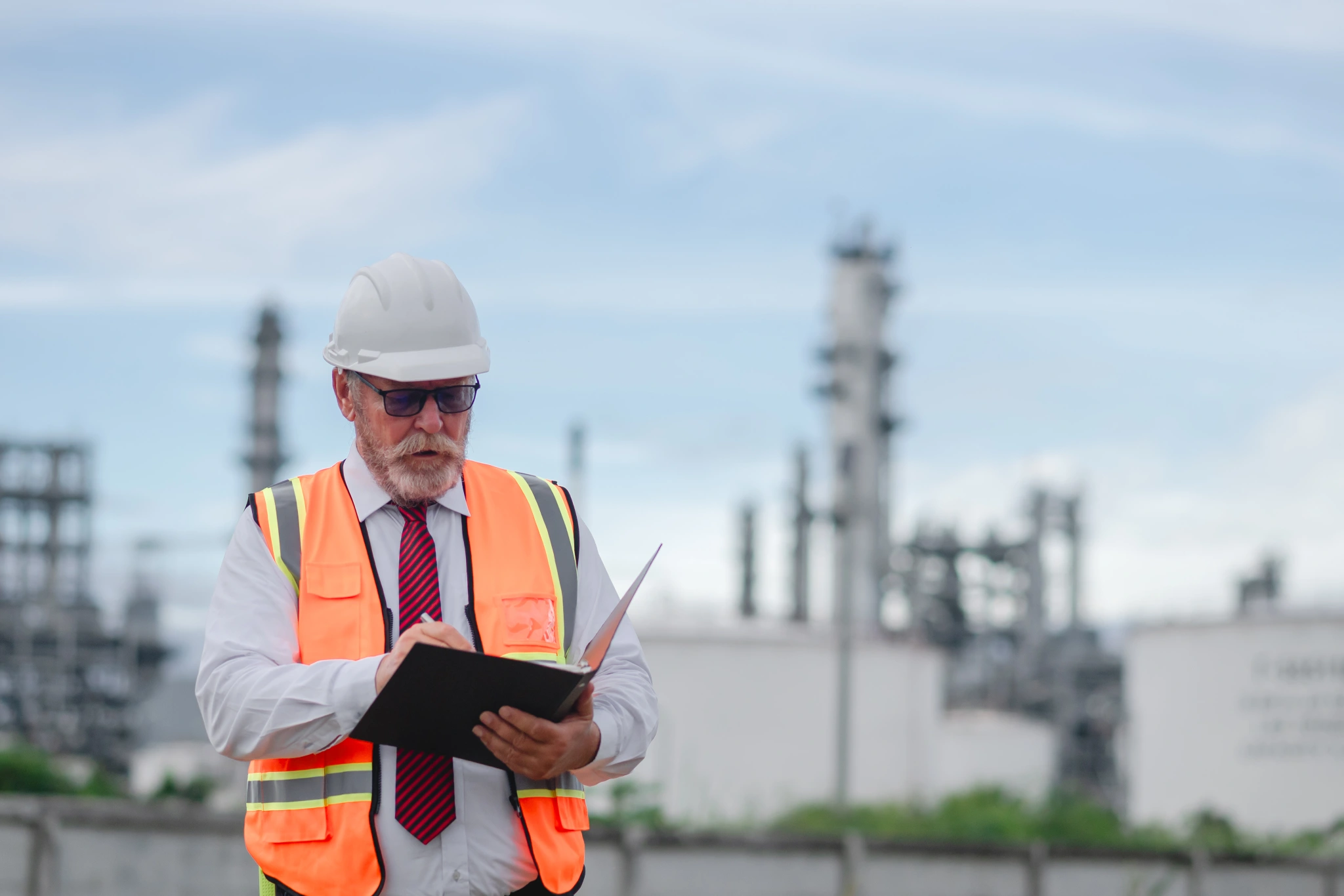
At Broadway Inspections, our certified experts conduct site visits that typically last between 2 to 4 hours. During this time, they utilize advanced tools to evaluate structural integrity, mechanical efficiency, and tenant safety protocols. If a site is unprepared, the inspection cannot be completed, leading to costly delays and required rescheduling. To help developers, landlords, and contractors achieve a seamless process, we have compiled the ultimate preparation checklist for mechanical, special, and Tenant Protection Plan (TPP) inspections.
Phase 1: Organizing Critical Documentation
The foundation of any successful inspection is paperwork. Before our team steps onto the job site, we need to verify that the physical work matches the city-approved designs. Ensure the following documents are organized and readily available:
- Approved Project Plans: Always have the most up-to-date, DOB-approved blueprints on-site.
- Permits: Ensure all work permits are active and visibly posted as required by local law.
- Mechanical Specifications: For mechanical inspections, have the manufacturer specifications for HVAC units, plumbing systems, and electrical panels available.
- Tenant Protection Plan (TPP): If working in an occupied building, the filed TPP must be accessible, and mandatory TPP notices must be distributed and posted in common areas (failure to post these notices carries a standard penalty of $1,250, up to $10,000).
Phase 2: Ensuring Site Access and Safety
Our inspectors cannot evaluate what they cannot reach. Clear, unobstructed access to the inspection areas is mandatory.
- Clear Pathways: Remove debris, construction materials, and tools that block access to mechanical rooms, structural steel, or egress routes.
- Implement Safety Protocols: Ensure that all mandatory safety measures are actively in place. This includes proper lighting, sturdy scaffolding, protective barriers, and ensuring the site meets Occupational Safety and Health Administration (OSHA) and DOB safety standards.
- Provide PPE: Ensure that any site-specific Personal Protective Equipment requirements are communicated to our team prior to arrival.
Phase 3: Preparing for a Mechanical Inspection
Mechanical inspections focus on the operational heartbeat of the building. To prepare for this specific evaluation, contractors should pre-check their systems:
- HVAC Systems: Ensure ductwork is accessible, insulation is properly applied, and units are ready for operational testing if required.
- Plumbing: Leave critical pipe joints and valves exposed (un-walled) until the inspector has verified compliance to avoid having to tear down fresh drywall.
- Electrical: Ensure breaker boxes are accessible and properly labeled.
Phase 4: Preparing for a TPP Inspection
Since November 2022, NYC requires independent special inspections for all TPP projects, occurring at least once a week during operations. Inspectors will verify the “Six Critical Elements”:
- Egress: Ensure all exits and fire escapes remain completely clear of construction materials.
- Fire Safety: Verify that fire extinguishers are present and sprinkler/standpipe systems are functional.
- Health Requirements: Ensure dust mitigation protocols (like plastic barriers) are actively maintained.
- Housing Standards: Verify that the construction is not compromising the livable conditions of the occupied units.
- Noise Restrictions: Ensure work is only occurring during permitted hours and noise control methods are implemented.
- Essential Services: Confirm that heat, hot water, cold water, gas, and electricity are actively maintained for tenants without disruption.
Phase 5: Be Present and Engaged
Finally, Broadway Inspections highly encourages project managers and contractors to attend the inspection process. Walking the site alongside our experts allows you to gain immediate insights, ask specific questions about NYC codes, and fully understand our findings. By treating the inspection as a collaborative effort rather than an adversarial audit, developers can ensure their projects remain safe, compliant, and on schedule.