Navigate Manhattan's complex special inspection requirements with confidence using our comprehensive checklist for NYC construction compliance.
Share:

Summary:
Special inspections in Manhattan aren’t optional—they’re mandatory for any construction project involving professional engineering or architectural services. These inspections verify that critical construction elements meet your approved plans and NYC Building Code requirements.
The process starts during your design phase, not after construction begins. Your registered design professional identifies required inspections and lists them on the TR1 form, which must be filed with the NYC DOB before any work permits are issued.
Think of special inspections as quality control checkpoints that protect your investment and ensure public safety. They’re performed by certified third-party agencies independent of your contractor, eliminating conflicts of interest while providing objective verification of your construction work.

Special inspections are required for all Manhattan construction projects filed on or after July 1, 2008, where the design involves professional engineering or architectural services. This covers virtually all commercial construction and most residential projects beyond simple renovations.
The NYC Building Code requires special inspections for specific construction elements including structural steel, concrete work, masonry construction, fire protection systems, mechanical systems, and sprinkler installations. Your registered design professional determines which inspections apply to your specific project based on the scope of work and building systems involved.
Manhattan’s dense urban environment creates additional complexity. Projects involving occupied buildings, complex structural modifications, or buildings over certain heights face more stringent requirements. High-rise construction, major renovations, and buildings with unique structural challenges typically require Class 1 Special Inspection Agencies with the highest level of certification and experience.
The key is understanding that these requirements aren’t bureaucratic obstacles—they’re essential safeguards. Manhattan’s building density means construction problems can affect neighboring properties and public safety. Special inspections ensure your project meets the rigorous standards necessary for safe construction in one of the world’s most challenging building environments.
Understanding when inspections are required helps you plan accordingly. Some inspections occur continuously during construction phases, while others happen at specific milestones. Concrete pours, structural steel erection, and fireproofing application typically require continuous inspection, while mechanical system installations might need periodic verification at completion stages.
The Technical Report Statement of Responsibility (TR1) form is your project’s inspection roadmap, and getting it right is crucial for permit approval. Your design professional identifies all required special inspections and lists them on this form, which must be filed with the NYC DOB before work permits are issued.
Selecting your Special Inspection Agency (SIA) early in the process is critical because the DOB won’t issue permits until your completed TR1 is filed. This means your SIA selection directly impacts your project timeline. You want an agency that understands Manhattan’s unique construction challenges and can respond quickly when issues arise.
Not all Special Inspection Agencies are created equal. Class 1 agencies can inspect any project, while Class 2 and Class 3 agencies have limitations on building size and complexity. For Manhattan commercial projects, you typically need a Class 1 agency with full accreditation and extensive experience in urban construction environments.
The agency you choose becomes your partner throughout the construction process. They review your construction documents, perform on-site inspections, and file necessary reports with the DOB. Their expertise and responsiveness directly impact your project’s success, so choose an agency that specializes in commercial work and understands the fast-paced demands of Manhattan construction.
Experience matters when dealing with complex structural work, fire protection systems, and the intricate coordination required in Manhattan’s dense building environment. Look for agencies with proven track records in commercial construction and direct communication with project owners rather than layers of corporate bureaucracy that slow down decision-making.
Want live answers?
Connect with a Broadway Inspections expert for fast, friendly support.
Your special inspection checklist should cover three critical phases: pre-construction preparation, active construction monitoring, and final certification. Each phase has specific requirements that must be completed before moving to the next stage.
Pre-construction preparation includes TR1 filing, SIA selection, and document review. During construction, you’ll coordinate inspection scheduling, address any non-conformance issues, and maintain proper documentation. The final phase involves completing all required inspections and obtaining necessary certifications for project closeout.
The most successful Manhattan projects treat special inspections as an integral part of project management, not an afterthought. This means coordinating with your SIA from day one and ensuring all stakeholders understand the inspection schedule and requirements.

Before any construction begins, your special inspection agency must review all approved construction documents related to their inspection scope. This includes architectural drawings, structural plans, mechanical specifications, and any shop drawings or submittals that affect the work being inspected.
The SIA confirms that construction documents are sufficient for proper inspection performance and acceptable to your registered design professional. This document review process often reveals potential issues before construction starts, when they’re easier and less expensive to resolve.
Your pre-construction checklist should include verifying that your SIA is properly registered with the NYC DOB for all required inspection categories. Different inspection types require specific endorsements, and missing endorsements can halt your project. Structural inspections, mechanical system inspections, and fire protection inspections each require separate qualifications and registrations.
Establish clear communication protocols between your general contractor, SIA, and design team. The most common cause of inspection delays is poor communication about when inspections are needed. Your SIA should be notified well in advance of inspection requirements, not called at the last minute when work is ready for review.
Create a project-specific inspection schedule that aligns with your construction timeline. Some inspections must occur before work is covered up, while others happen at specific completion milestones. Understanding these timing requirements prevents costly delays and rework when inspections are missed or scheduled incorrectly.
During active construction, your special inspection agency becomes your quality assurance partner, verifying that work complies with approved plans and applicable codes. Successful inspection management requires proactive coordination and clear communication between all project stakeholders.
Schedule inspections in advance, not when work is already complete. Many inspection types must occur during construction phases, not after work is finished. Concrete inspections happen during pours, structural steel inspections occur during erection, and fireproofing inspections take place during application. Missing these windows means potential rework and delays.
When non-conformance issues are identified, address them immediately with your registered design professional. The SIA will document any discrepancies and notify your contractor, but resolution requires input from your design team. Quick response to non-conformance issues prevents minor problems from becoming major delays.
Maintain detailed records of all inspection activities, including reports, photographs, and correspondence. The NYC DOB requires special inspection agencies to maintain records for six years, but project owners should keep their own documentation for future reference. These records become valuable for building maintenance, future renovations, and potential liability issues.
Coordinate with your general contractor to ensure work areas are ready for inspection when scheduled. This includes proper access, adequate lighting, and removal of any obstructions that might prevent thorough inspection. Well-prepared inspection sites lead to more efficient inspections and fewer return visits.
Your SIA should provide regular progress reports that keep you informed of inspection status and any emerging issues. Don’t wait for problems to escalate—stay engaged with the inspection process throughout construction to ensure smooth project completion.
Passing special inspections in Manhattan requires careful planning, experienced partners, and proactive management throughout your construction project. The key is treating inspections as an integral part of project success, not regulatory hurdles to overcome.
Start with proper TR1 filing and select a Special Inspection Agency with proven Manhattan commercial experience. Maintain clear communication throughout construction and address any issues immediately when they arise. With the right approach and experienced partners, special inspections become a valuable quality assurance tool that protects your investment.
For Manhattan construction projects requiring experienced special inspection services, we bring 17+ years of commercial expertise with direct owner communication and fast response times that keep your project moving forward.
Article details:
Share:
Continue learning:
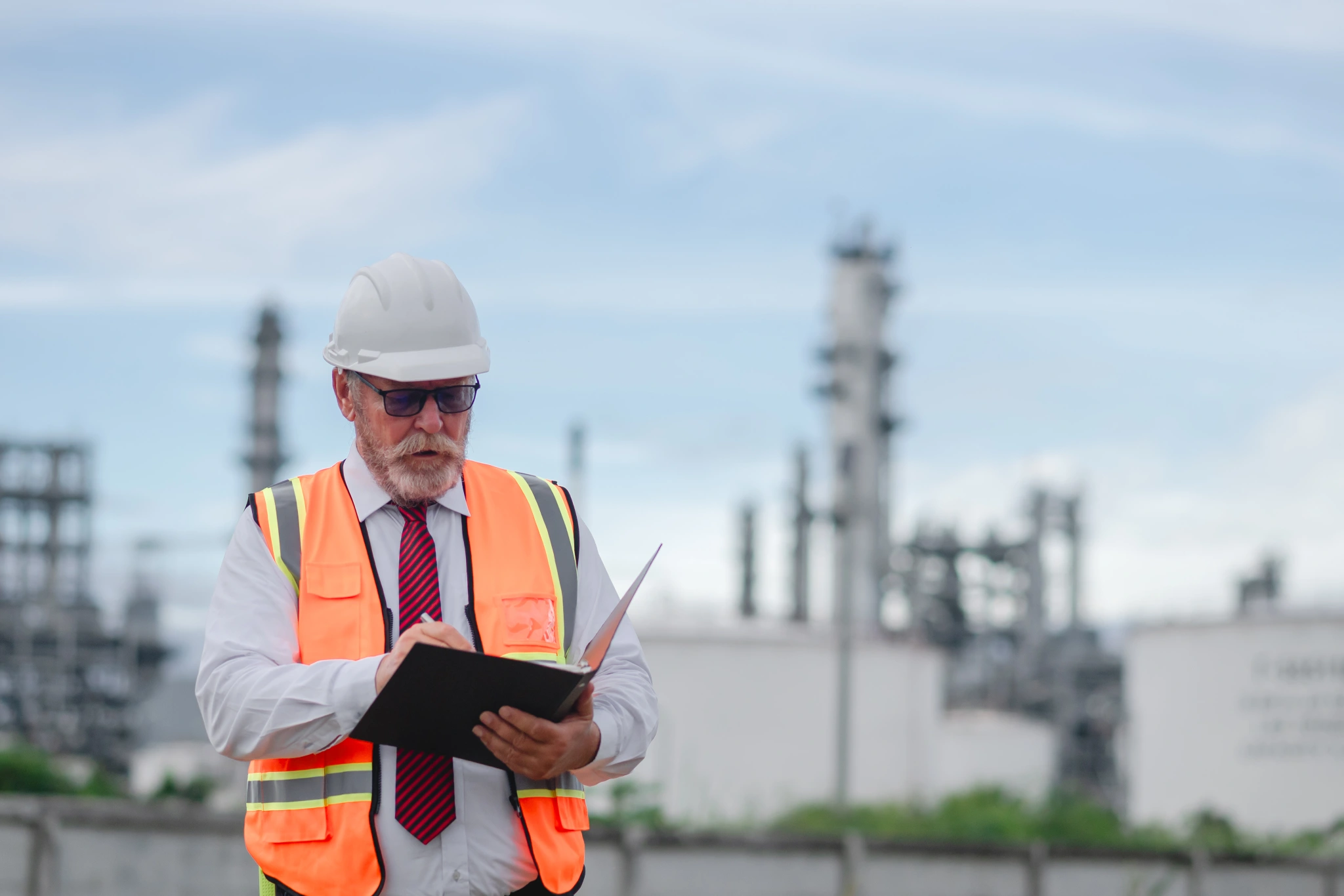

Special Inspections You Can Rely On
Our team delivers thorough special inspections and tenant protection plan inspections, guaranteeing the highest standards for every project.
Broadway Inspections
Company
Support
Useful Links