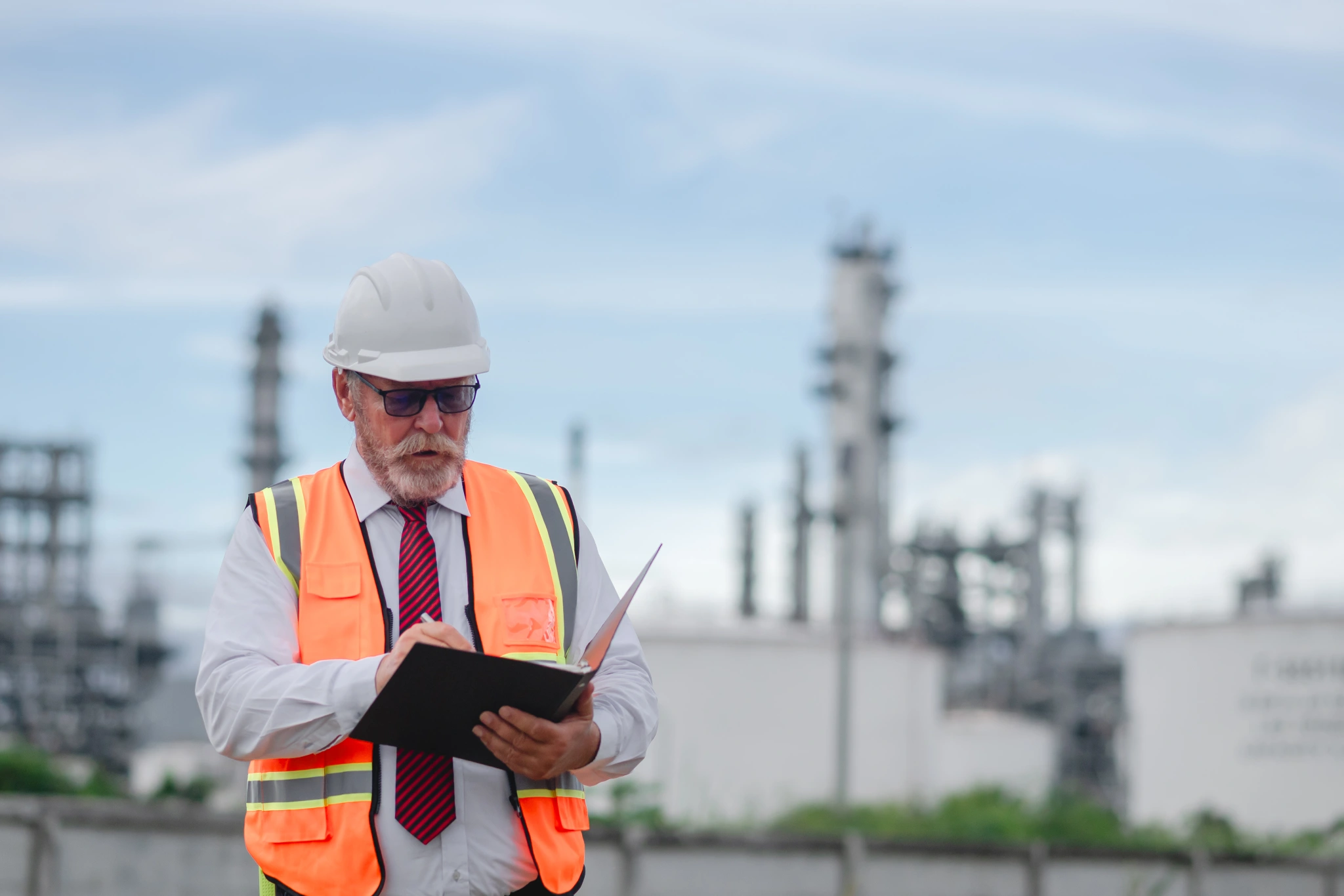
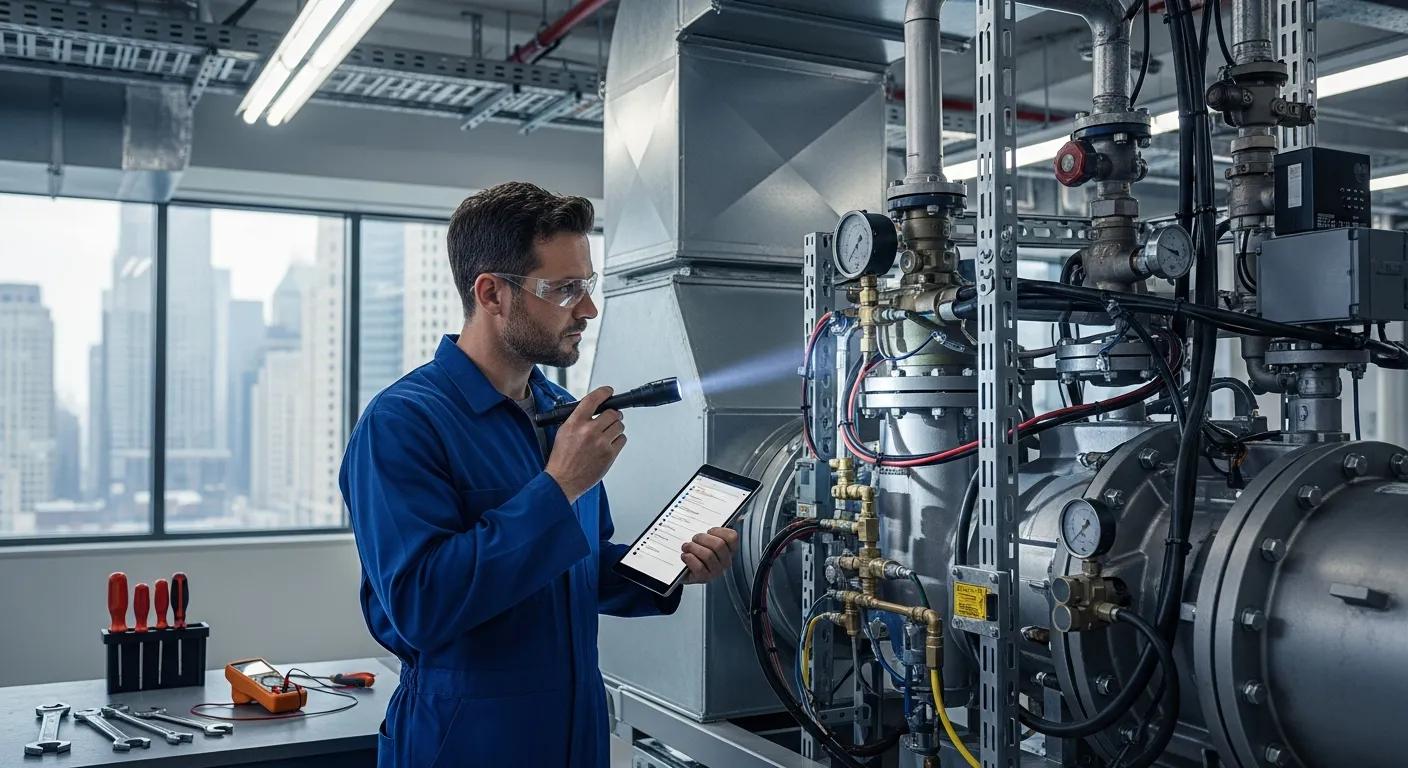
Mechanical inspections are essential to maintain the safety and operational efficiency of commercial buildings in New York City. These evaluations assess HVAC, plumbing, and electrical systems for compliance with the NYC Mechanical Code. Property owners and managers frequently encounter challenges in sustaining compliance, which can result in violations and safety hazards. This article outlines inspection requirements, the inspection process, and the benefits of regular evaluations. It also explains how Broadway Inspections, a specialized inspection company in New York City, ensures mechanical code compliance.
What Are the NYC Mechanical Inspection Requirements for Commercial Buildings?
In New York City, mechanical inspections for commercial buildings are governed by regulations designed to protect system safety and functionality. Verification of HVAC compliance is a critical requirement, as these systems must meet strict performance and safety standards. System testing requirements mandate regular evaluations to confirm efficient and safe operation. Accurate documentation and reporting are required; property owners must retain records of inspections and any repairs or modifications.
Understanding Key Provisions of the NYC Mechanical Code for Commercial Properties
The NYC Mechanical Code specifies provisions relevant to commercial properties. Special inspections are required for certain equipment, including boilers and cooling towers, to verify safety and performance. The code also requires adherence to the energy code, mandating energy-efficient practices in building operations. Additionally, annual boiler inspections are required to mitigate hazards and verify safe operation of heating systems.
How Often Must Commercial HVAC Systems Undergo Mechanical Inspections in NYC?
Commercial HVAC systems in New York City require mechanical inspections at least annually. These inspections identify potential issues before they escalate into major failures. Capacity thresholds may apply, so larger systems or those with specific operational characteristics can require more frequent evaluations. Regular inspections support efficient operation and ongoing code compliance.
How Is a Commercial Building Mechanical System Inspection Conducted?
A mechanical system inspection follows several defined steps. Scheduling and preparation ensure that documentation and access to systems are available. On-site evaluation involves a comprehensive examination of HVAC, plumbing, and electrical components. The final report documents findings and specifies corrective actions required by the property owner.
Step-by-Step Overview of the Mechanical Inspection Process for HVAC and Building Systems
The mechanical inspection process for HVAC and building systems comprises the following steps:
- Preparation: Gather all relevant documentation and ensure access to all systems.
- Evaluation: Conduct a thorough on-site inspection of HVAC, plumbing, and electrical systems.
- Reporting: Document findings, including compliance status and recommendations for maintenance or repairs.
This structured approach ensures a comprehensive evaluation of all mechanical system components.
What Does a Detailed Mechanical Inspection Report Include for NYC Commercial Buildings?
A detailed mechanical inspection report contains a comprehensive system review that assesses condition and performance, verification of compliance with the NYC Mechanical Code, and clear recommendations for maintenance or repairs to address identified issues proactively.
Why Is Commercial HVAC Compliance Critical in New York City?
HVAC compliance is critical in New York City because it reduces the risk of costly code violations, preserves tenant comfort by preventing system failures, and mitigates legal exposure from fines or other penalties imposed on property owners.
Risks and Consequences of Non-Compliance with NYC Mechanical Codes
Non-compliance with NYC mechanical codes creates substantial risks. It can produce safety hazards for occupants, lead to costly repairs from neglected maintenance, and expose property owners to legal and administrative penalties, including fines and potential litigation.
Benefits of Regular Mechanical Inspections for Building Safety and Performance
Regular mechanical inspections provide clear benefits: they enable early detection of faults, allow property owners to address problems before they escalate, deliver cost savings through improved system efficiency and reduced energy consumption, and enhance overall building safety and occupant comfort.
| Benefit | Description | Impact Level |
| Early Detection | Identifies issues before they escalate | High |
| Cost Savings | Improves system efficiency, reducing energy costs | Medium |
| Enhanced Performance | Contributes to overall building safety and comfort | High |
How Does Broadway Inspections Ensure Mechanical Code Compliance in NYC?
Broadway Inspections applies rigorous methods to ensure mechanical code compliance in New York City. Inspectors perform thorough assessments of all mechanical systems to confirm conformity with applicable standards. Compliance documentation is maintained meticulously to provide property owners with a clear audit trail. Diagnostic tools are used to produce precise evaluations of system performance.
Specialized Expertise in NYC Mechanical Code and Commercial HVAC Systems
Broadway Inspections maintains specialized expertise in the NYC Mechanical Code and commercial HVAC systems. The team combines practical field experience with targeted coursework to remain current on regulations and industry best practices. Continuous professional development ensures inspectors are versed in prevailing standards and deliver reliable service to clients.
Client-Focused Approach to Mechanical Inspection Services and Compliance Documentation
Broadway Inspections adopts a client-focused approach to mechanical inspection services. Attention to detail ensures all elements of the inspection process are addressed. Transparent communication fosters trust and clarifies required actions. Inspectors develop tailored solutions to meet each property owner’s specific needs.
What Are the Best Practices for Commercial Building Systems Testing and Maintenance?
Adopting best practices for testing and maintenance is essential for optimal system performance. Schedule regular maintenance to ensure consistent evaluation. Maintain inspection documentation as a record of system condition and repairs. Conduct functional testing to verify systems operate as intended.
Recommended Maintenance Strategies Following Mechanical Inspections
Following mechanical inspections, implement the following maintenance strategies:
- Addressing Identified Issues: Promptly resolve any problems identified during the inspection.
- Regular Maintenance Scheduling: Establish a routine maintenance schedule to ensure ongoing system performance.
- Staying Updated on Codes: Keep abreast of any changes to local mechanical codes to maintain compliance.
These measures preserve system safety and operational efficiency.
Integrating Inspection Findings into Ongoing Building Systems Performance Management
Integrating inspection findings into performance management is essential for long-term reliability. Use actionable insights from reports to guide maintenance and operational decisions. Schedule recurring inspections to monitor system performance and enable timely interventions when necessary.
Where Can Property Owners and Developers Find Support for Mechanical Inspection Project Proposals?
Property owners and developers can obtain support for mechanical inspection project proposals from several sources. The proposal request process typically requires defining the scope of work and identifying the necessary inspections. Contact options include local regulatory agencies and specialist inspection firms.
How to Prepare and Submit Mechanical Inspection Proposals in NYC
Preparing and submitting mechanical inspection proposals in NYC requires these key steps:
- Initial Review and Scheduling: Assess the scope of work and schedule inspections accordingly.
- On-Site System Examination: Conduct thorough evaluations of all relevant systems.
- Reporting and Consultation: Provide detailed reports and recommendations based on inspection findings.
Following these steps ensures proposals are comprehensive and comply with regulatory requirements.
Resources and Contact Points for Mechanical Inspection Services in New York City
For mechanical inspection services in New York City, property owners can reach out to Broadway Inspections. They provide a range of services tailored to commercial properties. For inquiries, contact Broadway Inspections at (212) 796-5377 for general questions or at (917) 924-6113 for proposal requests.
Frequently Asked Questions
What are the common issues found during mechanical inspections of commercial buildings?
Common issues found during commercial mechanical inspections include inadequate ventilation, malfunctioning HVAC equipment, and plumbing leaks. Inspectors frequently identify non-compliance with the NYC Mechanical Code, which can create safety risks. Other common findings include outdated equipment that does not meet energy-efficiency standards and electrical defects that pose fire hazards. Prompt remediation is necessary to maintain safety and compliance.
How can property owners ensure their mechanical systems are compliant with NYC regulations?
Property owners ensure compliance by scheduling regular mechanical inspections and maintaining accurate records of inspections and repairs. Engaging a qualified inspection firm, such as Broadway Inspections, provides expert guidance on code requirements. Remaining informed about updates to the NYC Mechanical Code and implementing recommended maintenance practices further reduces the risk of violations and system failures.
What should property owners do if their mechanical inspection reveals non-compliance?
If an inspection identifies non-compliance, property owners must act promptly. Arrange repairs or upgrades to achieve code conformity and consult the inspection firm for recommended corrective actions. Maintain detailed records of all remedial work for future inspections and compliance verification.
Are there specific certifications required for mechanical inspectors in NYC?
Mechanical inspectors in NYC generally require specific certifications and training to demonstrate familiarity with the NYC Mechanical Code and applicable safety standards. Many inspectors hold credentials from recognized organizations, such as the International Code Council (ICC). Continuous education is necessary to remain current with regulatory changes and industry best practices.
What role does energy efficiency play in mechanical inspections?
Energy efficiency is a core component of mechanical inspections under the NYC Mechanical Code. Inspectors assess HVAC systems and other mechanical components for efficient operation, which can reduce energy consumption and lower operating costs. Identifying opportunities for efficiency improvements during inspections enhances overall building performance and tenant comfort.
How can regular mechanical inspections impact the lifespan of building systems?
Regular mechanical inspections extend the service life of building systems by identifying issues early and enabling timely maintenance and repairs. Ensuring systems operate efficiently and comply with safety standards prevents major failures and prolongs the useful life of HVAC, plumbing, and electrical systems, delivering long-term cost savings and improved safety.
What are the costs associated with mechanical inspections for commercial buildings?
Inspection costs vary depending on building size, system complexity, and the scope of services provided. Property owners should budget for inspection fees and any identified repair costs. Investing in regular inspections can prevent larger expenses by detecting issues early and ensuring regulatory compliance.
Conclusion
Regular mechanical inspections are essential to maintain the safety and efficiency of commercial buildings in New York City. They identify issues before they escalate and support compliance with the NYC Mechanical Code. Engaging a specialized inspection firm such as Broadway Inspections provides the expertise required for thorough evaluations and proactive maintenance. Explore available comprehensive inspection services to safeguard your property.