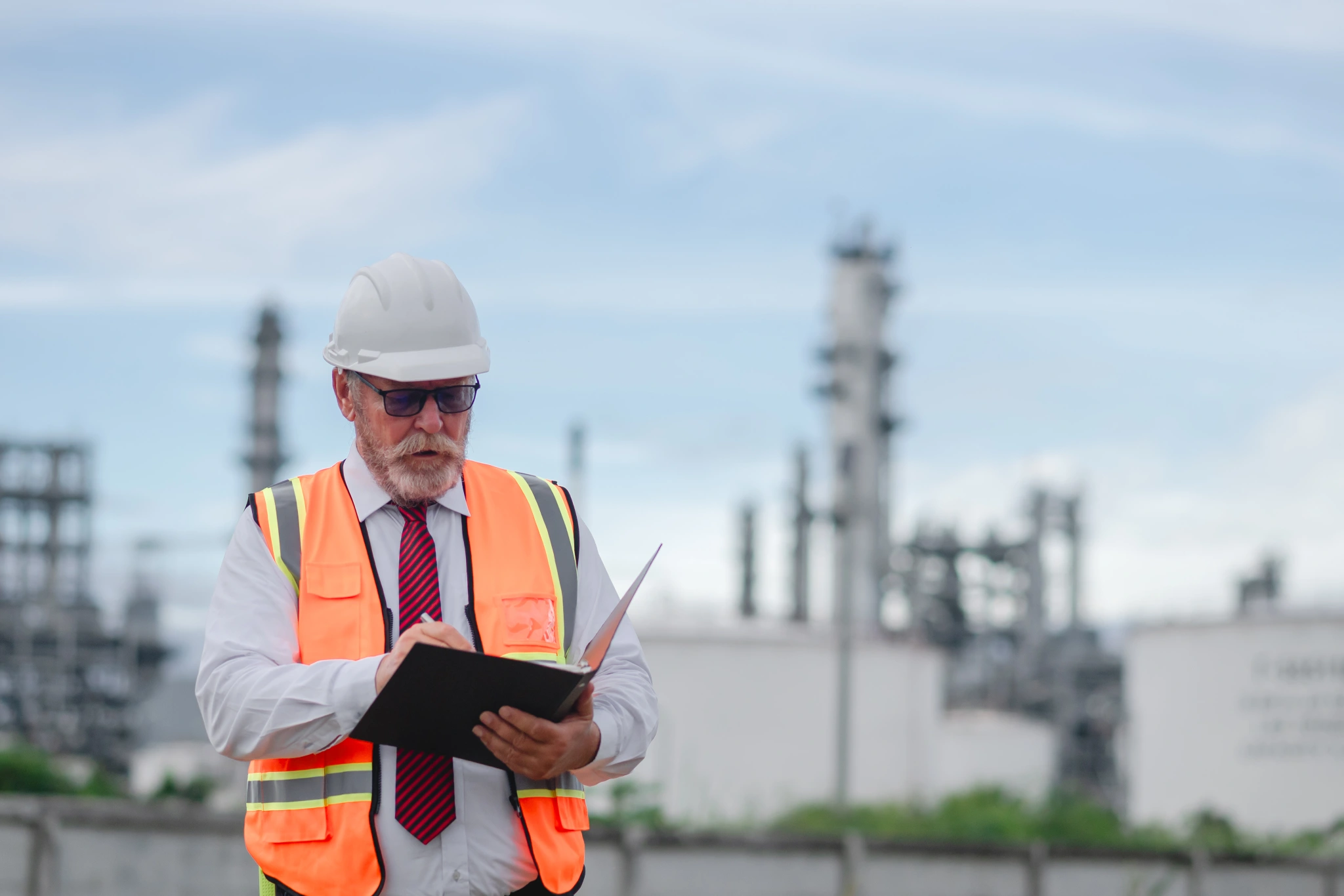
NYC's mechanical inspection requirements demand experienced professionals who understand the complexities of commercial construction compliance and DOB regulations.
Share:

Summary:
Every commercial construction project in NYC faces mandatory mechanical inspections under Building Code Chapter 17. These aren’t optional reviews—they’re legal requirements that verify your HVAC, plumbing, and electrical systems meet approved construction documents and safety standards.
The Department of Buildings requires special inspection agencies for all permitted projects, with inspections covering everything from boiler installations to complex MEP system integrations. Missing these inspections or failing to meet code requirements can result in stop-work orders, fines, and significant project delays.
Understanding which inspections apply to your specific project is crucial for maintaining your timeline and avoiding costly surprises during the approval process.
HVAC inspections in NYC require verification that heating, ventilation, and air conditioning systems comply with the NYC Mechanical Code and energy conservation requirements. Inspectors must witness system testing, verify proper installation of ductwork, and confirm that all components meet manufacturer specifications and approved construction documents.
For commercial buildings, commissioning becomes mandatory when total heating capacity exceeds 600,000 BTU/h or cooling capacity surpasses 480,000 BTU/h. This process ensures systems operate as designed and meet energy efficiency standards that can significantly impact your building’s long-term operating costs.
The inspection process includes checking supports, hangers, and vibration isolation equipment for proper spacing and anchoring. Seismic bracing must also meet specific requirements, particularly for buildings in higher seismic design categories. Fire and smoke dampers require functional testing to ensure they’ll operate correctly during emergencies.
Visual certification confirms that all required components are complete according to manufacturer guidelines. Inspectors verify that ventilation balancing reports are accurate and that systems operate as designed. Required labeling, operational instructions, and safety signage must be properly posted throughout the installation.
HVAC inspections in NYC require verification that heating, ventilation, and air conditioning systems comply with the NYC Mechanical Code and energy conservation requirements. Inspectors must witness system testing, verify proper installation of ductwork, and confirm that all components meet manufacturer specifications and approved construction documents.
For commercial buildings, commissioning becomes mandatory when total heating capacity exceeds 600,000 BTU/h or cooling capacity surpasses 480,000 BTU/h. This process ensures systems operate as designed and meet energy efficiency standards that can significantly impact your building’s long-term operating costs.
The inspection process includes checking supports, hangers, and vibration isolation equipment for proper spacing and anchoring. Seismic bracing must also meet specific requirements, particularly for buildings in higher seismic design categories. Fire and smoke dampers require functional testing to ensure they’ll operate correctly during emergencies.
Visual certification confirms that all required components are complete according to manufacturer guidelines. Inspectors verify that ventilation balancing reports are accurate and that systems operate as designed. Required labeling, operational instructions, and safety signage must be properly posted throughout the installation.
Want live answers?
Connect with a Broadway Inspections expert for fast, friendly support.
The quality of your mechanical inspection experience depends heavily on the expertise and communication style of your inspection agency. Many agencies send recent graduates who lack the practical experience to identify potential issues before they become problems.
Experienced inspectors understand the nuances of NYC’s complex building codes and can provide guidance that prevents costly corrections later in the process. They know which details matter most to DOB reviewers and can help you avoid common pitfalls that delay project approval.
Direct communication with inspection professionals makes a significant difference in project efficiency and problem resolution.
NYC’s building codes present unique challenges that require local expertise and deep familiarity with Department of Buildings procedures. We understand the city’s specific requirements and can navigate the approval process more efficiently, helping you avoid common compliance issues.
As a local inspection agency, we maintain relationships with DOB personnel and understand the nuances of different borough offices. This knowledge becomes particularly valuable when dealing with complex projects that involve multiple systems or require coordination between different inspection types.
The DOB NOW inspection system requires specific registration and scheduling procedures that can be confusing for first-time users. Our experienced local inspectors can guide you through these requirements and ensure all necessary documentation is properly submitted within required timeframes.
Understanding seasonal patterns and inspection scheduling challenges helps prevent delays during busy construction periods. We can often provide more flexible scheduling and faster response times than larger, impersonal companies that treat each project as just another number.
Thorough inspection reports provide the documentation you need for DOB approval and future reference. Quality reports include detailed findings, photographic evidence, and clear explanations of any issues that require attention before final approval.
We maintain detailed records for the required six-year retention period and can provide additional documentation if questions arise during the approval process. This level of documentation becomes particularly important for complex projects involving multiple systems or phased construction.
When non-conformance issues are identified, our experienced inspectors provide specific corrective action recommendations rather than generic problem descriptions. This approach helps contractors understand exactly what needs to be addressed and reduces the likelihood of re-inspection failures.
Follow-up inspections verify that corrections have been properly implemented and that all systems meet final approval requirements. This process ensures that your project can move forward without delays caused by incomplete or inadequate repairs.
Clear communication throughout the inspection process keeps all stakeholders informed and helps prevent misunderstandings that can lead to project delays. We provide regular updates and are available to answer questions as they arise during construction.
Successful mechanical inspections require more than just meeting minimum code requirements—they demand experienced professionals who understand NYC’s unique construction environment and can provide the direct communication you need to keep your project on track.
The right inspection partner brings both technical expertise and practical knowledge of DOB procedures, helping you navigate the approval process efficiently while avoiding costly delays and corrections. This combination of experience and communication can make the difference between a smooth project completion and frustrating setbacks.
When you’re ready to move forward with confidence, Broadway Inspections provides the experienced, locally-focused mechanical inspection services that NYC construction professionals rely on for successful project completion.
Article details:
Share:
Continue learning:

Special Inspections You Can Rely On
Our team delivers thorough special inspections and tenant protection plan inspections, guaranteeing the highest standards for every project.
Broadway Inspections
Company
Support
Useful Links