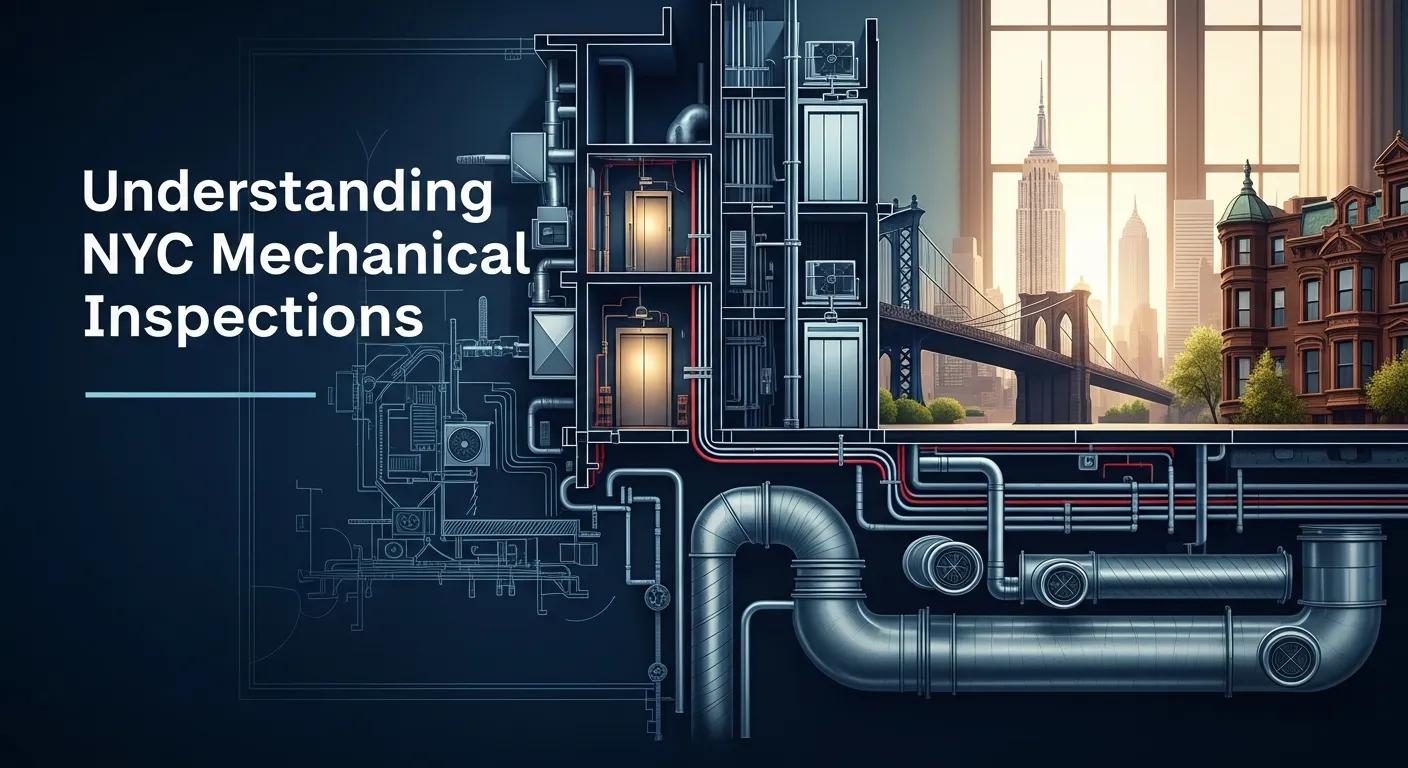
Mechanical inspections are systematic evaluations of HVAC and plumbing systems that verify compliance with applicable building codes and safety standards. In New York City, these inspections preserve building integrity and protect occupants and property investments. This article clarifies the role of mechanical inspections, summarizes HVAC and plumbing requirements, and explains how Broadway Inspections supports regulatory compliance. Readers will gain an informed understanding of inspection scope, report value, and risks associated with non-compliance.
Comprehensive Mechanical Inspection Services in NYC: Understanding Their Importance and Compliance Requirements
Mechanical inspections confirm that buildings meet required safety and operational standards. They identify hazards, verify regulatory compliance, and protect occupant health. In New York City, where codes are stringent, these inspections are statutory requirements that reduce the risk of fines and legal exposure.
Broadway Inspections provides comprehensive mechanical inspections for HVAC and plumbing systems. Their technical expertise ensures inspections follow local building codes and industry best practices. This service reduces the likelihood of penalties and prevents project approval delays caused by non-compliance.
What Are Mechanical Inspections and Why Are They Essential in New York City?
Mechanical inspections are methodical evaluations of a building‘s mechanical systems, focused primarily on HVAC and plumbing performance and safety. They confirm correct operation for occupant comfort and safety and detect defects before they escalate into costly repairs or hazards.
Given New York City’s complex regulatory environment, regular inspections are essential. Consistent evaluations maintain code compliance, support safe occupancy, and identify maintenance needs early, thereby extending equipment life and lowering long-term costs for property owners.
Defining Mechanical Inspections: Scope and Key Components
Mechanical inspections assess the functionality and safety of HVAC and plumbing systems. Key components of these inspections include:
- HVAC Systems: Evaluating heating, ventilation, and air conditioning systems for efficiency and compliance with safety standards.
- Plumbing Systems: Assessing water supply and drainage systems to ensure they meet local regulations and function properly.
- Documentation: Providing detailed reports that outline the findings of the inspection, including any necessary repairs or upgrades.
These components ensure mechanical systems operate safely and efficiently, supporting occupant comfort and overall building performance.
How Mechanical Inspections Ensure Safety and Quality in NYC Buildings
Mechanical inspections identify defects that could create safety risks or cause system failure. Early detection enables timely repairs and prevents escalation to more extensive damage.
Inspections also verify that systems operate within design parameters, which supports energy efficiency and reduces operating costs. Broadway Inspections prioritises code compliance to ensure systems meet required safety standards.
What Are the HVAC Inspection Requirements in NYC?
NYC HVAC inspection requirements are stringent and intended to ensure the safety and efficiency of heating and cooling systems. Key requirements include:
- Verification of Compliance: Ensuring that HVAC systems meet local building codes and regulations.
- Assessment of System Condition: Evaluating the overall condition of HVAC systems to identify any maintenance needs.
- Functional Testing: Conducting tests to verify that systems operate correctly and efficiently.
Adherence to these requirements protects occupant safety and comfort while demonstrating regulatory compliance.
Key HVAC System Elements Evaluated During Inspections
HVAC inspections evaluate several core elements to confirm correct operation. These elements include:
- Thermostat Responses: Checking that thermostats accurately control temperature settings.
- Filter Conditions: Inspecting air filters for cleanliness and proper function to ensure good air quality.
- Basic Operation Checks: Evaluating the overall operation of the HVAC system, including heating and cooling functions.
These checks preserve HVAC efficiency and safety, contributing to occupant comfort and system reliability.
Compliance with NYC Building Codes for HVAC Systems
Adherence to NYC building codes is fundamental to HVAC inspections. The codes specify installation and maintenance standards to ensure safe and efficient operation. Key compliance aspects include:
- Special Inspections: Certain HVAC systems may require additional inspections to verify compliance with specific regulations.
- Commissioning for New Systems: New HVAC systems must undergo commissioning to ensure they meet performance standards.
- Documentation for Compliance: Proper documentation is essential for demonstrating compliance with local building codes.
Meeting these compliance requirements helps building owners avoid penalties and maintain property safety.
How Do Plumbing Inspection Regulations Impact Mechanical Inspections in NYC?
Plumbing regulations directly influence mechanical inspections. They ensure plumbing safety and functionality, which are integral to the overall integrity of mechanical systems. Key aspects include:
- Overview of Plumbing Regulations: Understanding the local plumbing codes that govern system installations and maintenance.
- Impact on Overall Inspection Processes: Plumbing regulations influence the scope and focus of mechanical inspections, ensuring that all systems are evaluated comprehensively.
- Importance of Compliance: Adhering to plumbing regulations is vital for maintaining safety and avoiding legal issues.
By integrating plumbing regulations into mechanical inspections, Broadway Inspections delivers a comprehensive assessment of all mechanical systems.
Critical Plumbing Components Reviewed in Mechanical Inspections
Mechanical inspections examine critical plumbing components to verify compliance and functionality. These components include:
- Water Supply Systems: Evaluating the integrity and safety of water supply lines.
- Drainage Networks: Inspecting drainage systems for proper function and compliance with local codes.
- Fixture Installations: Assessing the installation and condition of plumbing fixtures to ensure they meet safety standards.
These assessments support safe and efficient plumbing operation within buildings.
Ensuring Plumbing Compliance with NYC Safety Standards
Ensuring plumbing compliance with NYC safety standards is a core element of mechanical inspections. Key strategies include:
- Schedule Professional Inspections: Regular inspections by qualified professionals help identify compliance issues early.
- Follow NYC Building Codes: Adhering to local codes is essential for maintaining safety and avoiding penalties.
- Maintain Documentation: Keeping thorough records of inspections and maintenance helps demonstrate compliance.
Applying these strategies helps building owners keep plumbing systems safe, compliant, and efficient.
How Does Broadway Inspections Conduct Mechanical System Evaluations in NYC?
Broadway Inspections conducts mechanical evaluations through a systematic and documented process. This process includes:
- Consultation and Scheduling: Engaging with clients to understand their specific needs and schedule inspections.
- On-Site Evaluation Steps: Conducting detailed evaluations of HVAC and plumbing systems to identify any issues.
- Reporting Findings: Providing clients with comprehensive reports that outline the inspection results and any necessary actions.
This structured methodology ensures thorough assessment and supplies clients with the information required to maintain compliance and safety.
Step-by-Step Mechanical Inspection Process by Broadway Inspections
Broadway Inspections follows a clear, step-by-step mechanical inspection process:
- Scheduling and Preparation: Clients schedule inspections, and preparatory steps are taken to ensure a thorough evaluation.
- On-Site Evaluation Details: Inspectors conduct detailed evaluations of HVAC and plumbing systems, checking for compliance and functionality.
- Reporting and Findings: After the inspection, clients receive detailed reports outlining the findings and recommendations for any necessary repairs.
The process delivers comprehensive evaluations that support client compliance and system safety.
Benefits of Detailed Mechanical Inspection Reports for Clients
Detailed inspection reports provide measurable benefits to clients, including:
- Identification of Issues: Reports highlight any potential problems, allowing for timely repairs.
- Clarity on System Condition: Clients gain a clear understanding of the condition of their mechanical systems.
- Compliance Support: Detailed reports assist clients in demonstrating compliance with local building codes.
These advantages demonstrate the practical value of thorough inspections and the reports produced by Broadway Inspections.
| Benefit | Description | Value |
| Identification of Issues | Early detection of potential problems | Prevents costly repairs |
| Clarity on System Condition | Comprehensive overview of system status | Informs maintenance decisions |
| Compliance Support | Documentation for regulatory compliance | Reduces risk of penalties |
The table illustrates how detailed reports help clients maintain safe, compliant mechanical systems.
Why Is Building Code Compliance Vital in NYC Mechanical Inspections?
Building code compliance is essential in NYC for public safety, legal protection, and long-term building resilience. Compliance enforces safety standards, reduces the risk of penalties, and supports a building‘s capacity to withstand operational and environmental demands.
Recognising the historical context of these regulations underscores their role in shaping the city’s infrastructure and safety protocols.
New York City Building Code Evolution & Amendments
This study examines the forces that influenced amendments to New York City’s Building Code over approximately one hundred and ten years, from the city’s consolidation in 1898 through the major code amendment following September 11, 2001, in 2008.
Amending the building code of the city of New York: exploring forces that influenced change, 2016
Overview of NYC Building Codes Relevant to Mechanical Systems
NYC building codes for mechanical systems establish regulations to ensure safety and efficiency. Key aspects include:
- Compliance with Construction Codes: All mechanical systems must adhere to specific construction codes to ensure safety.
- Special Inspections Requirements: Certain systems may require additional inspections to verify compliance with local regulations.
- Energy Efficiency Mandates: Building codes often include requirements for energy efficiency, promoting sustainable practices.
Owners must understand these codes to maintain compliance and protect property safety.
Consequences of Non-Compliance and How Inspections Mitigate Risks
Non-compliance can result in fines, legal exposure, and safety hazards. Mechanical inspections mitigate these risks by identifying compliance issues early. Regular inspections help owners ensure systems meet safety standards, reducing the likelihood of penalties and improving overall building safety.
What Are Common Client Questions About Mechanical Inspections in NYC?
Clients frequently ask about mechanical inspections in NYC. Common inquiries include:
- What services are offered?: Clients want to know the specific types of inspections available, including HVAC and plumbing evaluations.
- How is compliance assured?: Many clients seek clarification on how inspections help ensure compliance with local building codes.
- What is the recommended inspection frequency?: Clients often ask how often they should schedule inspections to maintain compliance and safety.
Providing clear, practical answers helps clients understand the importance of inspections and the services offered by Broadway Inspections.
Frequently Asked Questions
What qualifications should inspectors have for mechanical inspections in NYC?
Inspectors should hold relevant certifications and licences, such as those required by the New York City Department of Buildings. They must possess in-depth knowledge of local codes and hands-on experience with HVAC and plumbing systems. Continued professional training ensures inspectors remain current with regulatory changes and technical advances.
How can building owners ensure their systems remain compliant after an inspection?
Owners should schedule regular inspections, follow recommended maintenance actions, and address identified issues promptly. Maintain detailed records of inspections, repairs, and maintenance. Engage qualified contractors for corrective work to ensure all interventions meet local code requirements.
What types of documentation are provided after a mechanical inspection?
Clients receive a comprehensive report summarising findings, compliance status, and recommended repairs or upgrades. Reports commonly include photographs, diagrams, and an executive summary of the inspection process. Retain these documents to demonstrate compliance and support future maintenance planning.
Are there specific regulations for energy efficiency in mechanical inspections?
Yes. NYC codes include provisions to promote energy efficiency in mechanical systems. Inspectors assess whether HVAC equipment meets performance standards and whether energy-efficient technologies are in place where required. Compliance with these regulations supports sustainability objectives and can reduce operating costs.
What role do mechanical inspections play in real estate transactions?
Mechanical inspections provide prospective buyers with a clear assessment of a property’s mechanical systems. Thorough reports reveal existing issues that may affect transaction terms or pricing. For sellers, pre-inspections demonstrate transparency and compliance, which can facilitate smoother negotiations and increase buyer confidence.
How do mechanical inspections contribute to overall building safety?
Mechanical inspections identify potential hazards in HVAC and plumbing systems before they escalate. Regular inspections help ensure systems operate safely and comply with standards, reducing the risk of incidents such as fires or water damage. This protection preserves occupant safety and property value.
What should clients do if they disagree with an inspection report?
If a client disputes a report, they should first discuss concerns with the inspection provider to request clarification. If necessary, obtain a second opinion from another qualified inspector. Reviewing the report’s documentation and evidence can help resolve differences and determine appropriate next steps.
What is the typical duration of a mechanical inspection in NYC?
Inspection duration varies by building size and system complexity. A thorough inspection commonly takes several hours and, for larger or more complex properties, may extend to a full day. Confirm the expected duration with your inspection provider before scheduling.
How often should mechanical inspections be conducted?
Annual mechanical inspections are recommended in NYC to maintain compliance and system efficiency. Systems that are older, heavily used, or previously identified with issues may require more frequent evaluations.
What should clients prepare before a mechanical inspection?
Provide access to mechanical rooms, HVAC units, and plumbing fixtures. Supply prior inspection reports, maintenance records, and documentation of known issues. Communicate specific concerns to the inspector to ensure priority areas receive attention.
Are mechanical inspections required for residential properties?
Yes. Mechanical inspections are required for many residential properties in New York City, especially those with complex HVAC and plumbing systems. These inspections verify code compliance and occupant safety while identifying maintenance needs that can prevent costly repairs.
What are the costs associated with mechanical inspections?
Inspection costs vary by property size, system complexity, and scope of services. Comprehensive inspections typically range from several hundred to several thousand dollars. Obtain multiple quotes to compare services, deliverables, and pricing.
What happens if issues are found during an inspection?
If issues are identified, the inspector will issue a detailed report with findings and recommended corrective actions. Clients should address significant problems promptly to restore compliance and safety. Early remediation minimises the risk of more extensive damage and higher costs.
Can clients be present during the inspection process?
Yes. Clients are encouraged to be present during inspections to observe evaluations, ask questions, and receive immediate clarification of findings and recommendations. This presence supports informed decision-making and clearer communication.
How Broadway Inspections Supports Clients Through Compliance Challenges
Broadway Inspections assists clients in resolving compliance challenges through thorough inspections and practical regulatory guidance. They maintain transparency throughout the process and deliver detailed reports and actionable recommendations so clients can make informed decisions that enhance safety and compliance.
To learn more about our team and our commitment to quality, visit our about page.
If you have questions or wish to schedule an inspection, contact us.
We also offer additional services, including mechanical inspection services.
View previous work and inspection examples in our gallery.
Conclusion
Mechanical inspections are essential to ensure the safety and compliance of HVAC and plumbing systems in New York City, thereby protecting occupants and property investments. Engaging Broadway Inspections provides thorough evaluations that identify issues and support adherence to local building codes. Regular inspections enhance system efficiency and reduce the risk of costly repairs and regulatory complications. Schedule a mechanical inspection to confirm your building meets safety standards and operates efficiently.