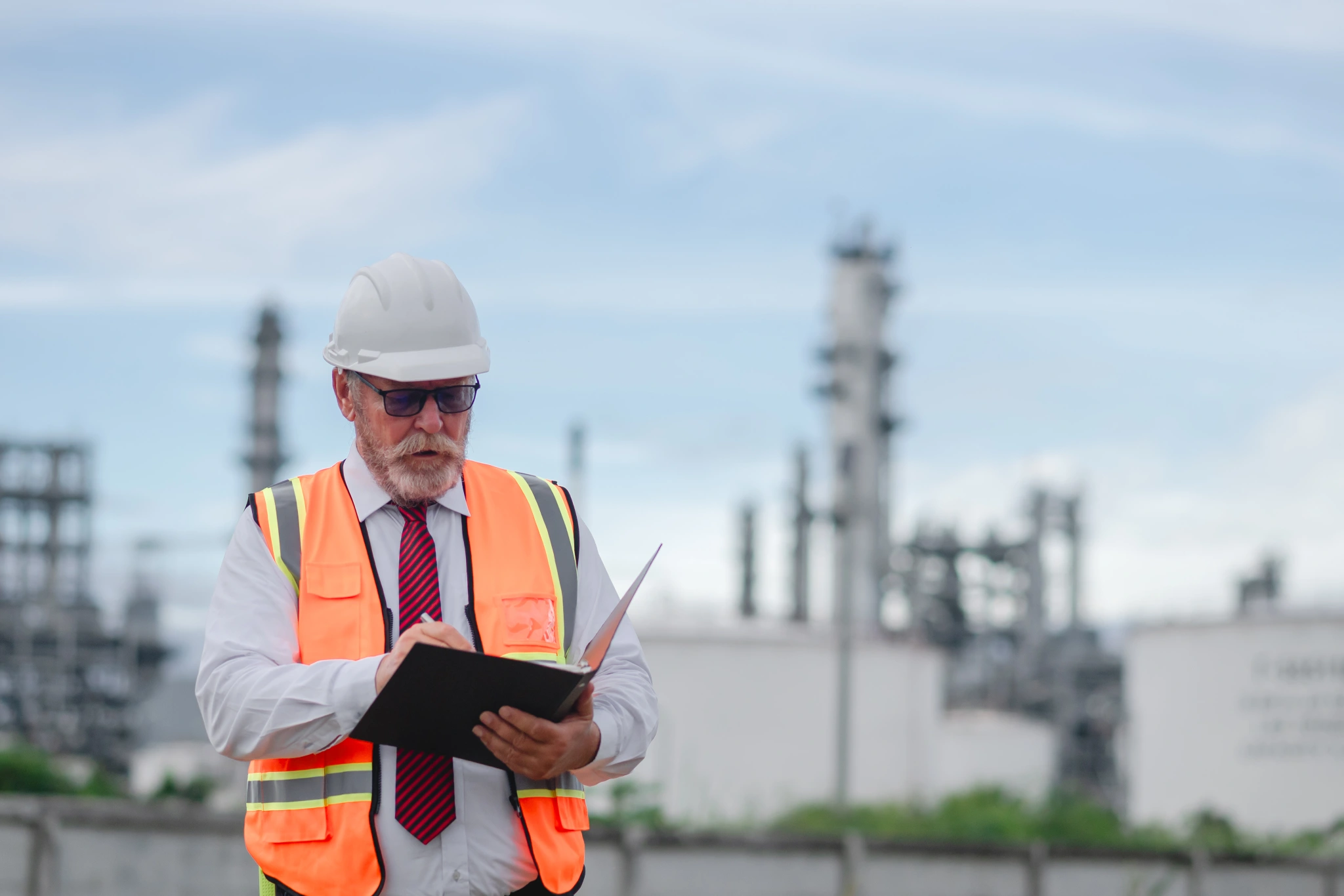
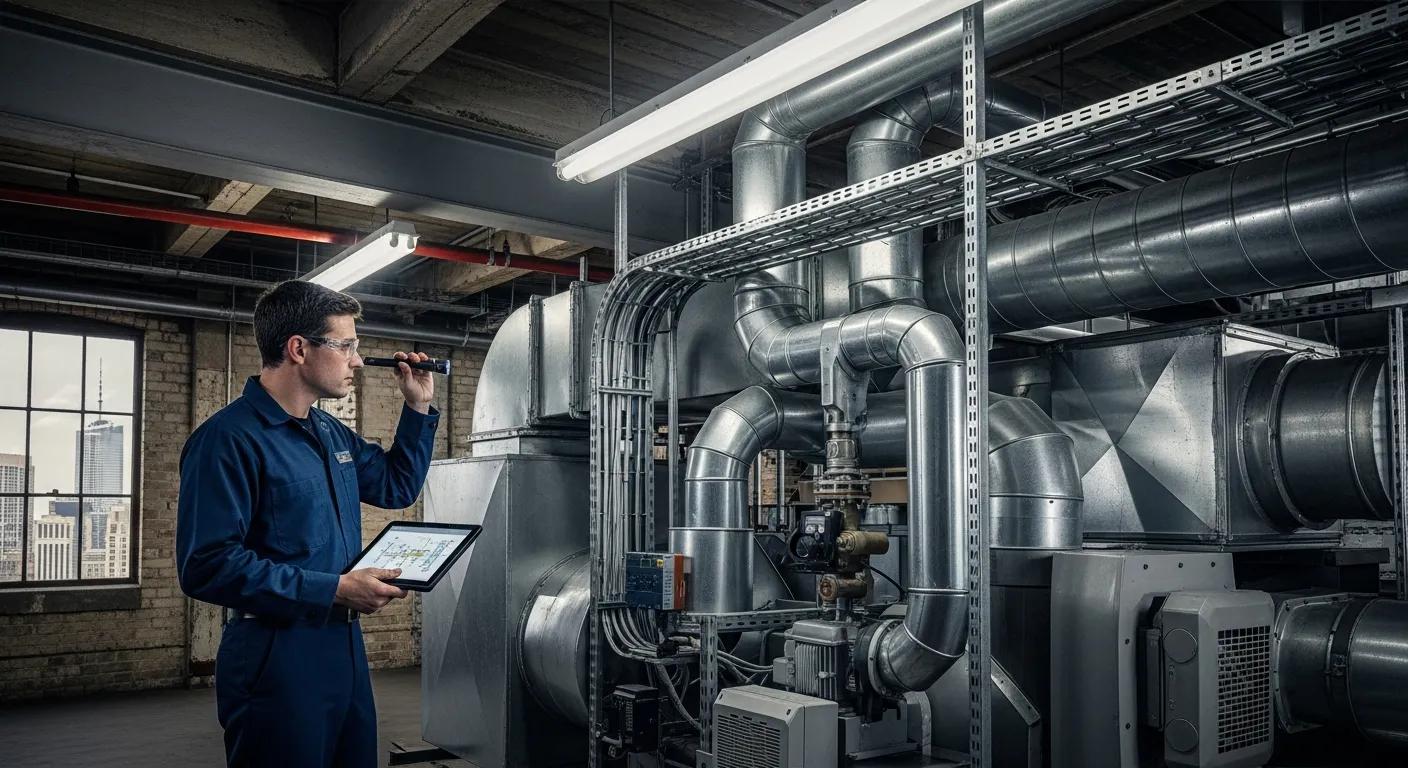
Mechanical inspections are essential to maintain safety and regulatory compliance across New York City’s varied building stock. They verify that mechanical systems, including HVAC and plumbing, conform to local building codes and regulations. As urban development intensifies, consistent inspections become increasingly critical. This article outlines NYC’s mechanical inspection requirements, core compliance standards, and how inspections support building safety. It also describes the role of Broadway Inspections , a NYC-based inspection company, in supporting compliance and quality assurance.
Comprehensive NYC Mechanical Inspection Requirements for Ensuring Building Safety and Code Compliance
NYC mechanical inspections follow stringent requirements established to protect safety and ensure compliance with local building codes. They assess HVAC, plumbing, and fire–safety systems to confirm correct installation, operational performance, and conformity with regulatory standards.
Broadway Inspections specializes in conducting comprehensive mechanical inspections aligned with these requirements. Their inspectors evaluate systems from installation through operational efficiency, identify compliance gaps, and recommend corrective measures to enhance occupant safety.
What Are the Key NYC Mechanical Code Compliance Standards?
Key standards include the 2022 NYC Construction Codes and Local Law 97, which mandates building energy–efficiency measures. These requirements ensure mechanical systems operate safely and efficiently.
- HVAC Systems Compliance : All HVAC systems must meet specific performance criteria to ensure they operate effectively and efficiently.
- Boiler Inspections : Regular inspections of boilers are required to prevent malfunctions and ensure safety.
- Documentation for Compliance : Proper documentation is essential for demonstrating compliance with all relevant codes and standards.
Broadway Inspections delivers detailed reports that clarify compliance status and identify required corrective actions for building owners.
Which NYC building codes govern mechanical inspections?
Mechanical inspections in NYC are principally governed by the 2022 NYC Construction Codes. Local Law 97 further regulates building energy performance.
These codes require mechanical systems to be designed, installed, and maintained to strict safety and performance standards. Compliance is a legal obligation and a core factor in occupant safety and comfort.
How do NYC Department of Buildings regulations impact inspection requirements?
DOB regulations define the scope and frequency of mechanical inspections, ensuring regular evaluation for code compliance.
Complex systems frequently require special inspections, which increases scrutiny. Building owners and managers must understand these requirements to ensure compliance and avoid penalties.
The DOB’s authority to license and oversee special inspections is central to preserving these standards.
NYC DOB Special Inspection Licensing
Special inspection licenses are issued by the NYC DOB and may be revoked
Eight Cycles of Facade Inspection in New York City, D Eschenasy, 2022
How Do HVAC System Inspections Contribute to Safety and Compliance in NYC Buildings?
HVAC inspections verify system performance and regulatory compliance, supporting occupant comfort and safety.
- Verification of Compliance : Inspections ensure that HVAC systems meet all regulatory standards.
- Energy Efficiency Standards : Compliance with energy efficiency standards helps reduce operational costs and environmental impact.
- Functional Testing : Regular functional testing of HVAC systems ensures they operate as intended, preventing potential failures.
Broadway Inspections conducts targeted HVAC inspections that address compliance, energy performance, and functional reliability for building owners.
What are the essential HVAC inspection criteria under NYC codes?
Essential HVAC inspection criteria under NYC codes include verification of installations, assessment of operational efficiency, and accurate documentation of maintenance and testing.
- Verification of Compliance : Ensuring that all installations meet the required standards.
- Functionality Assessment : Evaluating the operational efficiency of HVAC systems.
- Documentation Requirements : Maintaining accurate records of inspections and compliance status.
These criteria ensure HVAC systems operate safely and efficiently, contributing to overall building safety.
How does HVAC inspection ensure energy efficiency and fire safety?
HVAC inspections confirm system performance to prevent energy waste and reduce operating costs.
- Energy Efficiency Verification : Inspections ensure that HVAC systems meet energy efficiency standards, which can lead to significant cost savings.
- Fire Safety Measures : Regular inspections help identify potential fire hazards associated with HVAC systems, ensuring that safety measures are in place.
- Preventing System Failures : By identifying issues early, inspections can prevent costly system failures and enhance overall safety.
Broadway Inspections prioritizes these inspections to maintain safe and efficient HVAC operation.
What Are the Plumbing and Fire Safety Mechanical Inspection Requirements in NYC?
NYC plumbing and fire–safety inspection requirements ensure these critical systems function safely and comply with local codes.
- Plumbing Inspections : These inspections evaluate the integrity and functionality of plumbing systems, ensuring they meet all regulatory standards.
- Fire Safety Inspections : Fire safety inspections assess the effectiveness of fire protection systems, including sprinkler systems and alarms.
- Compliance with Local Codes : Adherence to local codes is essential for ensuring the safety of building occupants.
Broadway Inspections performs comprehensive plumbing and fire–safety inspections to assist building owners in maintaining compliance and occupant safety.
How are plumbing systems evaluated for NYC code compliance?
Plumbing systems are assessed through a detailed inspection process that includes consultation, on-site inspection, and documentation of findings.
- Initial Consultation Process : Understanding the specific plumbing requirements for the building.
- On-Site Inspection Details : Conducting thorough inspections of all plumbing installations.
- Documentation of Findings : Maintaining accurate records of inspection results and compliance status.
This evaluation is essential to confirm safe, code-compliant plumbing operation.
What fire safety mechanical inspections are mandated by NYC regulations?
NYC regulations require several fire–safety mechanical inspections, including:
- HVAC System Inspections : Evaluating HVAC systems for fire safety compliance.
- Boiler Inspections : Ensuring that boilers meet safety standards to prevent malfunctions.
- Integration with Fire Protection Systems : Assessing how mechanical systems integrate with fire protection measures.
Broadway Inspections conducts thorough fire–safety inspections to help building owners maintain compliance and improve safety.
What Is the Standard Mechanical Inspection Process and Reporting Protocol in NYC?
The standard NYC mechanical inspection process follows defined steps to ensure comprehensive system evaluation.
- Scheduling and Review Process : Inspections are scheduled in advance, allowing for proper preparation.
- On-Site Examination Details : Inspectors conduct detailed evaluations of all mechanical systems.
- Reporting and Consultation : After inspections, detailed reports are provided, outlining compliance status and any necessary corrective actions.
Broadway Inspections adheres to this process to deliver efficient, reliable inspections.
How are mechanical inspections conducted and documented?
Mechanical inspections proceed via a systematic process comprising scheduling, on-site evaluation, and formal reporting.
- Scheduling and Preparation : Coordinating with building owners to schedule inspections.
- On-Site Evaluation : Inspectors assess all mechanical systems for compliance.
- Reporting Findings : Detailed reports are generated, documenting compliance status and any issues identified.
Accurate documentation is essential to maintain compliance and protect occupant safety.
What certifications and compliance reports are issued post-inspection?
After inspection, standard certifications and reports document findings and confirm compliance. These typically include:
- Detailed Inspection Reports : Comprehensive reports outlining the results of the inspection.
- Certification of Compliance : Official documentation confirming that systems meet all regulatory standards.
- Documentation for Project Closeout : Necessary paperwork for closing out construction projects.
Broadway Inspections issues these documents to support building owners in maintaining compliance and safety.
What Recent NYC Code Updates Affect Mechanical Inspection Compliance?
Recent NYC code updates have introduced additional requirements affecting mechanical inspection compliance. Key updates include:
- 2022 NYC Construction Codes : New standards for mechanical systems that must be adhered to.
- Local Law 97 : Mandates energy efficiency measures for buildings.
- All Electric Buildings Act : New regulations affecting the installation and operation of electric systems.
These updates are important for sustaining safe, efficient mechanical operation.
NYC Building Code Evolution & Amendments
This study seeks to understand the forces that influenced changes (i.e., amendments) to the Building Code of New York City over an approximately one hundred and ten year period spanning from 1898, the year of the city’s consolidation, through 2008, the year of the major code amendment following September 11, 2001.
Amending the building code of the city of New York: exploring forces that influenced change, 2016
These updates are crucial for ensuring that mechanical systems operate safely and efficiently.
Which 2024-2026 NYC code amendments impact mechanical inspections?
Proposed 2024–2026 amendments will affect mechanical inspections in several ways, including:
- Adherence to Updated Codes : Ensuring compliance with the latest regulations.
- Mandatory Mechanical Commissioning : New requirements for commissioning mechanical systems.
- Compliance with Local Law 97 : Continued emphasis on energy efficiency in buildings.
Broadway Inspections monitors these amendments to ensure its inspections meet current and forthcoming requirements.
How has enforcement of mechanical inspection compliance evolved recently?
Enforcement has increased in recent years, with greater regulatory oversight and scrutiny. Key developments include:
- Increased Enforcement Since 2024 : Stricter enforcement of compliance measures.
- Impact of Updated Codes : New codes have led to more rigorous inspection processes.
- Compliance Verification Processes : Enhanced methods for verifying compliance status.
These developments reinforce the need for comprehensive mechanical inspections to ensure safety and compliance.
How Do Case Studies Demonstrate Effective Mechanical Inspections for NYC Building Safety?
Case studies demonstrate the practical effectiveness of mechanical inspections. Typical outcomes include:
- Identifying Potential Issues Early : Inspections help detect problems before they escalate.
- Preventing Costly Repairs : Early detection can save significant costs associated with repairs.
- Documenting Compliance : Case studies provide evidence of compliance with local codes.
Broadway Inspections leverages case studies to demonstrate its expertise and the tangible value of thorough inspections.
What successful inspection outcomes illustrate compliance benefits?
Successful inspection results demonstrate the benefits of compliance, including:
- Early Detection of Issues : Inspections can identify problems before they become serious.
- Cost Savings from Compliance : Maintaining compliance can reduce long-term operational costs.
- Enhanced Safety Measures : Compliance ensures that safety measures are in place, protecting occupants.
These outcomes confirm the value of routine mechanical inspections.
How do client testimonials reflect Broadway Inspections’ expertise?
Client testimonials reflect Broadway Inspections‘ technical competence and the quality of its services. Recurring themes include:
- Thoroughness and Professionalism : Clients appreciate the detailed approach taken during inspections.
- Quality of Reports : The clarity and comprehensiveness of inspection reports are frequently praised.
- Client Satisfaction : Positive feedback reflects the high level of satisfaction among clients.
These testimonials attest to Broadway Inspections‘ commitment to excellence in mechanical inspections.
For additional information about our services, see our about page .
If you have questions or wish to schedule an inspection, please contact us today.
We also maintain a gallery showcasing our work.
For a full list of services, explore our mechanical inspections services .
Frequently Asked Questions
What is the role of Broadway Inspections in mechanical inspections?
Broadway Inspections conducts mechanical inspections across NYC to verify compliance with local building codes. Its specialists assess HVAC, plumbing, and fire–safety systems and produce detailed reports identifying compliance status and required corrective actions. Leveraging this expertise helps building owners preserve safety, operational efficiency, and regulatory adherence.
How often should mechanical inspections be conducted in NYC?
Inspection frequency varies by system and regulation. HVAC systems typically require annual inspection; boilers may need more frequent checks in high-use buildings. Special inspections may be mandated for complex systems or after significant modifications. Building owners should consult the DOB and their inspection provider to determine an appropriate schedule for their systems.
What are the consequences of failing a mechanical inspection?
Failing a mechanical inspection can result in violation notices from the DOB, fines, mandatory corrective actions, and potential legal liability. Non-compliance may also lead to increased scrutiny during future inspections and affect insurance coverage. Property owners should address identified issues promptly to maintain compliance and protect occupants.
What should building owners prepare for a mechanical inspection?
Building owners should assemble relevant documentation—previous inspection reports, maintenance records, and compliance certificates—and ensure mechanical systems are accessible for evaluation. Completing necessary repairs before inspection and communicating known issues or recent modifications to the inspection team facilitates an efficient process.
How do mechanical inspections impact energy efficiency in buildings?
Inspections identify operational inefficiencies and verify compliance with energy standards. They commonly generate recommendations for upgrades or repairs that reduce energy consumption, lower operating costs, and support environmental sustainability. Regular inspections help maintain optimal system performance.
What training and certifications do inspectors need in NYC?
In NYC, mechanical inspectors must hold specific training and certifications to evaluate complex systems. Inspectors typically possess licenses issued by the DOB, which require training in local codes, safety standards, and inspection techniques. Ongoing education is necessary to stay current with regulatory changes and best practices.
Can building owners appeal inspection results?
Building owners may appeal inspection findings by submitting a formal request to the DOB with supporting documentation. Owners should consult legal or compliance advisors to navigate the process and may seek clarification from the inspection company to resolve disputes.
Conclusion
Mechanical inspections are essential to secure safety and regulatory compliance in New York City buildings. By adhering to local codes, inspections improve mechanical performance and reduce risk to occupants and property. Engaging a qualified inspection service such as Broadway Inspections simplifies compliance and ensures comprehensive evaluations. To learn more about how we can assist you, visit our website today.