Scheduling a mechanical inspection in New York City is a required step to ensure compliance with local building codes and to maintain safety standards. The process may be complex for those unfamiliar with the procedures and documentation. This article outlines the essential steps to schedule a mechanical inspection, the documents you will need, and the typical costs involved. By following these procedures you can confirm that your building meets applicable compliance standards. We also provide information on Broadway Inspections, a licensed firm that specialises in mechanical inspections.
What Are the NYC Mechanical Inspection Requirements for Building Compliance?
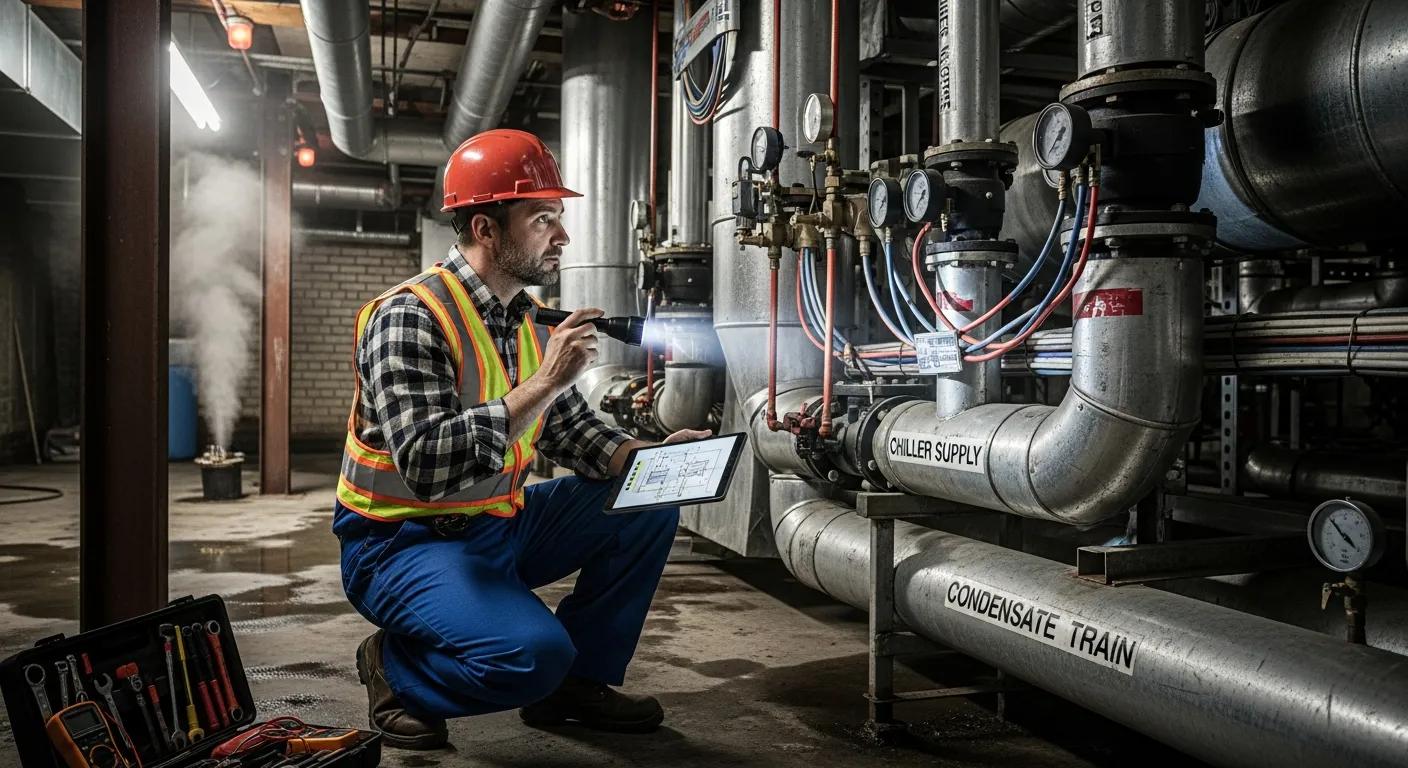
In New York City, mechanical inspections verify that installations comply with applicable building codes. Inspectors confirm that mechanical systems such as HVAC and plumbing are installed correctly and operate safely. Primary inspection requirements include:
- Verification of Installations: Inspectors check that all mechanical systems are installed according to the approved plans and specifications.
- Assessment of Heating Systems: The inspection includes evaluating heating systems to ensure they meet safety and efficiency standards.
- Documentation for Compliance: Proper documentation must be provided to demonstrate compliance with NYC building codes.
Adhering to these requirements is essential to keep your building compliant and safe for occupancy.
Which NYC Building Codes Govern Mechanical Inspections?
Mechanical inspections in NYC are governed by several building codes that define standards for installation and maintenance of mechanical systems. Key codes include:
- 2022 NYC Construction Codes: These codes provide the framework for construction practices, including mechanical installations.
- 2020 Existing Building Code: This code addresses the requirements for existing buildings, ensuring they meet current safety standards.
- Local Law 97: This law focuses on reducing greenhouse gas emissions from buildings, impacting mechanical system efficiency requirements.
Familiarity with these codes is necessary for building managers and construction professionals operating in New York City.
Who Qualifies as a Licensed Mechanical Inspector in NYC?
A licensed mechanical inspector in NYC must satisfy specific qualifications to competently evaluate mechanical systems. Key qualifications include:
- Licensing Requirements: Inspectors must hold a valid license issued by the NYC Department of Buildings, demonstrating their knowledge of local codes and regulations.
- Experience Criteria: Typically, inspectors are required to have several years of experience in the field, ensuring they possess the necessary skills to conduct thorough inspections.
These qualifications uphold inspection quality and promote safety and regulatory compliance.
How Do You Schedule a Mechanical Inspection in NYC?
Scheduling a mechanical inspection in NYC requires a few straightforward steps. Follow these actions to initiate the process:
- Contact Broadway Inspections: Reach out to Broadway Inspections, a licensed inspection company specializing in mechanical inspections.
- Discuss Your Needs: Provide details about your building and the specific mechanical systems that require inspection.
- Select a Date and Time: Work with the inspection team to choose a convenient date and time for the inspection.
Following these steps will facilitate a smooth scheduling process for your mechanical inspection.
What Are the Steps to Book a Mechanical Inspection Appointment?
Book an appointment using one of the available methods. Follow these steps:
- Call or Email Broadway Inspections: You can reach them at (212) 796-5377 or via email at info@broadwayinspections.com.
- Visit Their Office: If you prefer in-person communication, you can visit their office located at 145 E 15th St, New York, NY 10003.
- Provide Necessary Information: Be prepared to provide details about your building and the specific inspection requirements.
These methods will secure an appointment efficiently.
Can Mechanical Inspections Be Scheduled Online or by Phone?
Mechanical inspections may be scheduled online or by telephone. Many firms, including Broadway Inspections, provide online booking on their websites; alternatively, contact the office directly. Select the option that best suits your project requirements.
What Is the Typical Cost of a Mechanical Inspection in NYC?
Inspection fees in NYC vary with project complexity and building size. Typical fees range from $150 to $750, depending on the systems inspected and the scope of work.
| Service | Cost | Description |
| Basic Mechanical Inspection | $150 – $300 | Standard inspection for small residential buildings. |
| Comprehensive Mechanical Inspection | $300 – $750 | Detailed inspection for larger commercial properties or complex systems. |
| Compliance Verification | Additional Charges | Fees may apply for additional compliance verification services. |
Understanding these ranges will assist in budgeting for inspection services.
How Are Mechanical Inspection Fees Determined in New York City?
Mechanical inspection fees in New York City are determined by several factors, including:
- Project Size: Larger projects typically incur higher fees due to the increased complexity and time required for inspections.
- Inspection Type: Different types of inspections, such as HVAC or plumbing inspections, may have varying costs associated with them.
- Location Factors: The location of the property can also influence fees, as some areas may have higher demand for inspection services.
Together, these factors determine the final inspection fee.
Are There Additional Charges for Compliance Verification Services?
Additional charges may apply for compliance verification services. Fees depend on the complexity of the verification process and the specific requirements of the project.
How Does a Mechanical Inspection Ensure Building Compliance in NYC?
Mechanical inspections verify the installation and operation of mechanical systems and identify issues that may present safety risks or code violations. This process helps maintain safety standards and reduces the risk of legal liability for property owners arising from non‑compliance.
What Mechanical Systems Are Evaluated During the Inspection?
Inspections evaluate key systems to verify safety and compliance. These systems include:
- HVAC Systems: Inspectors assess heating, ventilation, and air conditioning systems for proper installation and functionality.
- Plumbing Systems: The inspection includes checking plumbing systems for leaks, proper drainage, and compliance with local codes.
- Boilers: Boilers are evaluated for safety and efficiency, ensuring they meet the necessary operational standards.
These assessments are critical to preserve building safety and operational reliability.
How Does Inspection Reporting Support NYC Building Code Compliance?
Inspection reports provide documented evidence of compliance with NYC building codes. Reports record findings, required corrective actions, and confirmation when issues have been resolved. Property owners use these documents to address deficiencies and to mitigate the risk of fines or legal actions related to non‑compliance.
Frequently Asked Questions
What should I do if my mechanical inspection fails?
If an inspection fails, address the identified deficiencies promptly. Review the report to determine the specific violations, arrange necessary repairs or modifications to meet compliance standards, and schedule a re‑inspection. Engage a licensed professional as needed to ensure corrections meet code requirements.
Can I be present during the mechanical inspection?
Yes. Property owners or authorised representatives should be present during the inspection. Presence enables immediate clarification of findings and facilitates communication with the inspector. If you cannot attend, designate a knowledgeable representative to assist the inspector on site.
How often should mechanical inspections be conducted?
Inspection frequency depends on local regulations, building classification, and system usage. Commercial properties are generally inspected annually or biannually to maintain compliance. Residential inspections are recommended after significant installations or alterations. Regular inspections enable early detection of issues and support efficient operation.
What happens if I don’t schedule a mechanical inspection?
Failure to schedule required inspections can result in safety hazards, legal liabilities, and fines for non‑compliance with local building codes. Uninspected systems may present risks to occupants and can prevent obtaining permits or approvals for future work. Prioritize inspections to maintain safety and regulatory compliance.
Are there any exemptions for mechanical inspections in NYC?
Exemptions are limited. Minor maintenance that does not alter system functionality may not require a full inspection, but significant installations, modifications, or new construction typically require inspection. Consult the NYC Department of Buildings or a licensed inspector to determine whether your project qualifies for any exemption.
What should I do if I have questions about the inspection report?
If you have questions about the inspection report, contact the inspector or the inspection company for clarification. They can explain findings and recommended actions. You may also consult a licensed contractor or engineer to interpret the report and advise on corrective measures. Clear understanding of the report is essential to achieve compliance.
What Documents Are Required for Scheduling a Mechanical Inspection?
When scheduling a mechanical inspection, have the following documents available to facilitate the process:
- Project Plans: Detailed plans outlining the mechanical systems installed in the building.
- Permits: Any necessary permits obtained for the installation of mechanical systems.
- Previous Inspection Reports: If applicable, reports from previous inspections can provide valuable context for the current evaluation.
Providing these documents in advance streamlines scheduling and supports a thorough inspection.
How Long Does the Mechanical Inspection Process Typically Take?
Inspections typically require 2 to 5 hours to complete. Duration depends on building size, system complexity, and the scope of the inspection. Plan accordingly to ensure on‑site access for the inspection team.
To review specific services, see mechanical inspections offered by licensed providers.
If you have any questions or need to schedule an inspection, you can easily contact Broadway Inspections.
To learn about the firm and its team, explore Broadway Inspections.
Conclusion
Scheduling a mechanical inspection in New York City is essential to ensure compliance with local building codes and to maintain safety. Understanding the requirements and procedures allows you to manage inspections effectively and reduce potential liabilities. For expert guidance and assistance in scheduling, contact Broadway Inspections to begin the compliance process.