Special inspections are a core part of keeping New York City construction projects safe and code-compliant. The NYC Department of Buildings (DOB) requires these targeted checks to confirm critical work matches approved plans and industry standards. Below we explain what special inspections cover, the common types you’ll see, how to schedule them, what they typically cost, and why they matter during property transactions. If you prefer expert help, Broadway Inspections can manage inspections and paperwork so your project stays on schedule and on code.
These inspections support the city’s ongoing efforts to improve site safety and reduce construction risks across neighborhoods.
NYC DOB — Construction Safety & Compliance
Ongoing DOB initiatives focus on stronger site safety rules and better protections for workers, improving outcomes across NYC construction sites.
What Is a Special Inspection in NYC and Who Requires It?
A special inspection is a focused review required by the NYC DOB for certain building work that affects public safety or structural performance. Inspectors verify that installations — from concrete and welding to soil work — follow the approved design, materials specs, and applicable building codes. The goal is to catch problems early, protect occupants and workers, and ensure the finished structure matches the permit documents.
Definition and Purpose of Special Inspections in NYC
Special inspections cover specific construction activities and systems that need closer oversight than routine inspections. They assess materials, workmanship, and on-site procedures for work such as concrete placement, welded connections, and geotechnical testing. By documenting compliance during construction, special inspections reduce the chance of unsafe conditions or costly rework later.
NYC Department of Buildings Role in Special Inspection Requirements
The DOB sets the rules that determine when special inspections are required and what qualifications inspectors must have. They review inspection reports, approve certified inspectors, and enforce the regulations — issuing violations when work fails to meet the standards. That regulatory oversight helps keep projects consistent with the city’s safety and structural requirements.
DOB enforcement, including violations for non-compliance and unapproved alterations, illustrates why these inspections are not optional for many projects.
NYC DOB — Violations & Enforcement
DOB inspections regularly uncover maintenance and alteration issues; enforcement actions make clear why following inspection protocols matters.
What Are the Types of Special Inspections Required by NYC DOB?
The DOB requires a range of special inspections tailored to the work being performed. Knowing the common types helps you plan inspections into your schedule and budget.
Common Special Inspection Types: Concrete, Welding, Soil, and More
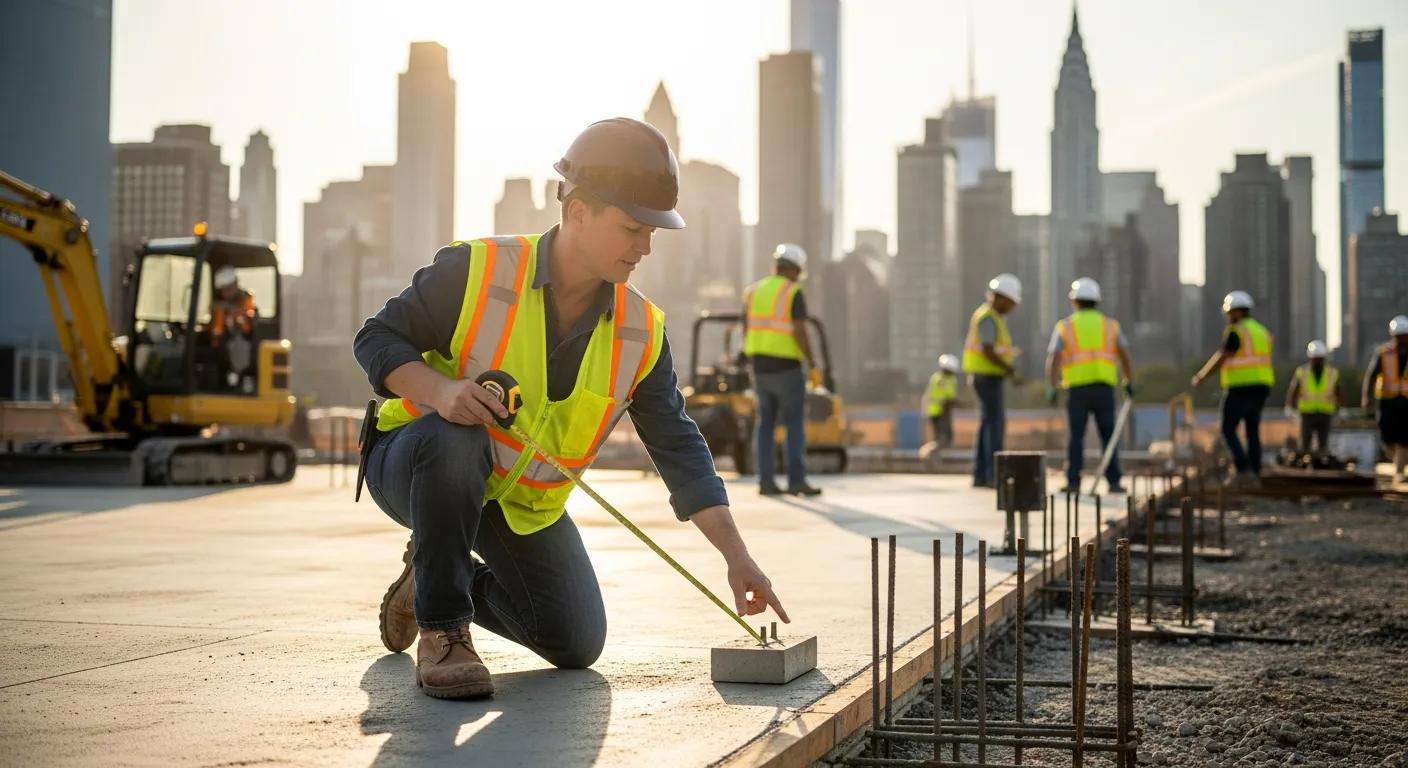
Typical special inspections include:
- Concrete Inspection: Confirms concrete mix, placement and curing meet the project specifications and design requirements.
- Welding Inspection: Checks weld quality and procedures to ensure connections meet code and structural demands.
- Soil Inspection: Evaluates subsurface conditions and testing to verify foundation stability and conformance with engineering plans.
These targeted checks help spot issues early, avoid rework, and keep construction moving safely and efficiently.
How Each Inspection Type Ensures Construction Compliance
Each inspection concentrates on a portion of the build where failure would be costly or dangerous. Concrete checks protect load-bearing elements; welding reviews ensure structural connections are sound; soil testing confirms the ground will support the design. Together, these inspections form a practical compliance program that protects the project, its workers, and future occupants.
How to Schedule and Prepare for a Special Inspection in NYC
Scheduling and preparing for special inspections takes a few straightforward steps. Planning ahead reduces delays and speeds DOB approval.
Step-by-Step Guide to Scheduling DOB Special Inspections
- Identify Required Inspections: Determine which special inspections your permit or project documents call for.
- Select a Qualified Inspector: Hire a DOB-approved special inspector with experience in the specific inspection type.
- Submit Required Documentation: Provide plans, inspection forms, and any prior reports the DOB requires before or during inspections.
Following these steps helps the inspection process run smoothly and keeps the DOB review on track.
Documentation and Preparation Tips for Construction Inspection NYC
Good documentation avoids surprises. Before an inspection, assemble:
- Construction Plans: Current, approved drawings that show the work being inspected.
- Previous Inspection Reports: Any prior findings that relate to the current scope.
- Material Certifications: Manufacturer or test certifications proving materials meet specs.
Having these items ready speeds the inspector’s review and helps resolve issues on the spot.
Broadway Inspections provides special inspection services to coordinate scheduling, perform on-site reviews, and submit compliant reports — reducing holdups and paperwork for contractors and owners.
What Are the Costs and Fees Associated with Special Inspections in NYC?
Knowing the likely costs for special inspections helps you budget accurately for your project.
Typical Pricing for Special Inspection Services in NYC
Inspection fees vary with the inspection type and project complexity. Typical ranges are roughly $400 to $1,200 per inspection, depending on the scope, required testing, and the inspector’s qualifications.
Factors Influencing Special Inspection Costs and Fee Transparency
Costs depend on several predictable factors:
- Project Size: Larger jobs often need more frequent or longer inspections.
- Inspection Type: Complex or specialized tests can raise the fee.
- Location: Travel, access and site logistics within NYC can affect pricing.
Understanding these drivers helps you compare estimates and avoid surprise charges.
| Inspection Type | Average Cost | Factors Influencing Cost |
| Concrete Inspection | $400 – $600 | Project size, complexity |
| Welding Inspection | $600 – $900 | Type of weld, inspector‘s experience |
| Soil Inspection | $300 – $500 | Soil conditions, testing methods |
This table shows typical ranges for common special inspections and the main factors that affect pricing.
How Does Special Inspection Impact Home Buyers, Sellers, and Real Estate Agents?
Special inspections can influence transactional confidence, timelines, and property value — so buyers, sellers, and agents should understand when they apply.
Importance of Special Inspections in Property Transactions
For buyers, a completed special inspection gives assurance the work met code and design intent. Sellers who resolve inspection items before listing can boost buyer confidence and reduce negotiation friction. Agents who understand inspection requirements can better advise clients and streamline closings.
Ensuring Compliance and Safety for Residential and Commercial Buildings
Whether a building is residential or commercial, special inspections verify compliance with safety standards that affect occupants and long-term value. Communicating inspection status early in a transaction reduces surprises and supports a smoother sale or lease process.
What Is the Compliance and Certification Process for NYC Special Inspections?
Compliance and certification tie inspection work to DOB approvals — a clear process helps projects reach final sign-off.
Understanding DOB Construction Compliance and Certification
After inspections, special inspectors prepare reports and any required certifications that the DOB reviews. When reports show work meets the approved plans and code, the DOB moves projects toward final approvals. Accurate, timely documentation is essential to avoid delays at closing or during permit sign-off.
How Broadway Inspections Facilitates Code-Compliant Special Inspections
Broadway Inspections handles on-site testing, produces compliant inspection reports, and submits the documentation the DOB requires. Our team helps reduce administrative burden and keeps inspection deliverables aligned with the permit timeline so your project stays on schedule.
To learn more, contact Broadway Inspections today to discuss how we can support your next inspection or compliance need.
Frequently Asked Questions
What qualifications should a special inspector have in NYC?
A DOB-approved special inspector will be listed with the NYC Department of Buildings and have relevant training or credentials — often engineering or construction-related — plus practical experience in the inspection specialty (e.g., concrete, welding, geotech). Certification and documented experience ensure inspections are reliable and accepted by the DOB.
How can I find a qualified special inspector for my project?
Start with the NYC DOB’s approved inspector lists and cross-check qualifications for the specific inspection type. Ask contractors or engineers for referrals and verify the inspector’s recent project experience. Working with a firm experienced in DOB procedures, like Broadway Inspections, can simplify selection and scheduling.
What happens if a special inspection fails?
A failed inspection means the work doesn’t meet the required standards. The inspector will document deficiencies and the contractor must correct them and arrange re-inspection. Addressing issues promptly limits delays and additional costs, which is why proactive quality control is important during construction.
Are special inspections required for all construction projects in NYC?
Not every project requires special inspections. The DOB mandates them based on project scope, materials and structural risk — typically for complex builds, significant alterations, or work involving critical systems. Consult the permit documents or a qualified inspector to determine which inspections your project needs.
How do special inspections affect construction timelines?
Special inspections add steps to the schedule, and if findings require rework, timelines can shift. However, early and regular inspections often prevent larger interruptions by catching problems before they escalate. Planning inspections into the schedule and coordinating closely with inspectors keeps the project moving.
Can special inspections be conducted remotely or virtually?
Some documentation reviews and meetings can be done remotely, but the physical review of construction work usually requires an on-site inspector. Technology can streamline reporting and follow-ups, but hands-on verification remains essential for most special inspection tasks.
Conclusion
Special inspections are a practical safeguard that help NYC projects meet code, protect people, and avoid costly rework. For builders, owners, and agents, understanding when inspections apply and preparing the right documentation is key. Partnering with experienced providers like Broadway Inspections makes scheduling, testing and DOB reporting easier — keeping your project compliant and on track. Explore our services to see how we can help with your next inspection.