

Your mechanical systems work correctly, and you know it before sign-off. No surprises during final inspections that delay your project timeline.
Early detection saves you from emergency repairs and system failures down the road. You get clear documentation that meets the professional standards architects and construction managers actually need.
When your HVAC, boiler, and plumbing systems pass inspection the first time, your project moves forward on schedule. That’s what happens when experienced eyes review your MEP systems instead of someone figuring it out as they go.
Broadway Inspections brings 17 years of combined industry experience to every mechanical inspection in Midtown. We started serving NYC’s commercial construction market because we saw too many projects delayed by inexperienced inspectors and corporate runaround.
When you call, you speak directly with us—not a call center, not an account manager, not someone who has to “check with their supervisor.” We know what we’re looking at during inspections because we’ve been doing this work since before many of our competitors were in business.
Midtown’s fast-paced commercial environment demands inspection services that match your timeline and professional expectations. We deliver both.

We start with a consultation about your specific mechanical inspection needs—whether it’s comprehensive MEP system review, focused HVAC inspection, or boiler compliance checks. No generic sales pitch, just a direct conversation about what your project requires.
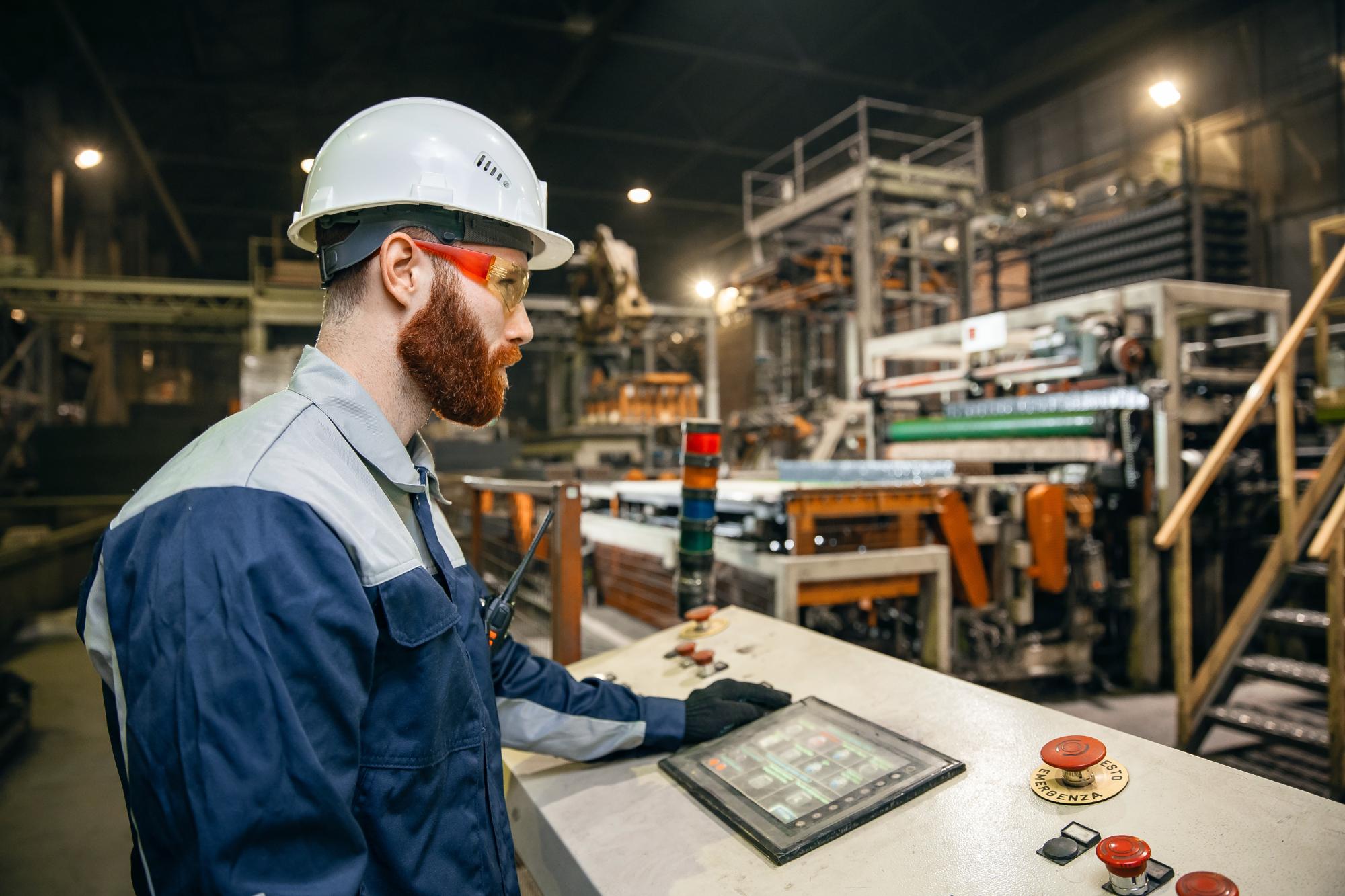
Our technician visits your Midtown property to conduct the mechanical inspections using visual examination and functional testing on HVAC, boiler, and plumbing components. We use practical techniques like pressure testing for plumbing systems, visual checks of connections for HVAC systems, and examination of safety controls during boiler inspections.
You receive a detailed report outlining our findings, system condition observations, and any maintenance or repair recommendations. The documentation meets the standards that architects and construction managers expect—clear, actionable, and thorough enough to support your project’s success.
Ready to get started?
Your mechanical inspection covers HVAC systems, boiler equipment, and plumbing installations with the thoroughness that Midtown’s commercial projects demand. We assess airflow, thermostat calibration, visible piping, fixture operation, safety controls, and venting systems.
NYC’s building density and climate make heating and cooling system efficiency critical. Midtown properties face unique challenges with limited space for mechanical equipment and high-performance demands. Our inspections account for these local factors.
You get objective information about system conditions that helps with maintenance planning and property decisions. When issues exist, you know exactly what needs attention and why. When systems meet standards, you have documentation that supports your project’s compliance and your professional reputation.
Mechanical systems requiring certificates of compliance must be inspected for conformance with approved construction documents. This includes HVAC systems, boiler installations, plumbing networks, and MEP systems in commercial buildings.
The specific inspections depend on your project scope, but most commercial projects in Midtown need HVAC inspections for heating and cooling systems, boiler inspections for heating equipment, and plumbing inspections for water supply and drainage systems. Your Registered Design Professional typically specifies required inspections on the TR-1 form.
Energy code compliance inspections are increasingly important and may be required for newly installed systems with significant heating or cooling capacity.
Inspection duration depends on your building size, system complexity, and the specific mechanical components being evaluated. A typical commercial HVAC inspection in Midtown might take 2-4 hours, while comprehensive MEP system inspections can require a full day.
We coordinate inspection timing with your construction schedule to prevent delays. Our experience with commercial projects means we know how to work efficiently around other trades and inspection disciplines.
The key is scheduling inspections at the right construction phase—after rough installation of mechanical systems but before final closeout. This timing allows us to properly assess installations while still permitting any necessary corrections.
When mechanical systems don’t meet code requirements or approved plans, we provide detailed reports outlining specific issues and recommended corrective actions. Non-compliance doesn’t automatically mean complete system replacement—often targeted corrections address the problems.
We work with contractors and project teams to identify practical solutions. Our experience helps distinguish between minor adjustments and more significant compliance issues. Follow-up inspections verify that corrections meet requirements.
The goal is getting your systems compliant efficiently. Clear communication about problems and solutions prevents extended delays and helps your project team address issues systematically.
Broadway Inspections handles mechanical inspections across HVAC, plumbing, and boiler systems with qualified inspectors for each discipline. This eliminates the coordination challenges of working with multiple specialized firms.
Having one agency manage all your mechanical inspections streamlines scheduling, ensures consistent quality standards, and gives you a single point of contact. We understand how these different systems work together in commercial buildings.
Our inspectors are qualified across multiple mechanical specialties, which is particularly valuable for complex commercial projects where systems integrate. You get comprehensive coverage without the administrative burden of managing multiple vendor relationships.
Mechanical inspections should be scheduled after rough installation of HVAC, plumbing, and electrical systems but before final system startup and building closeout. This timing allows proper assessment of installations while permitting corrections if needed.
Coordination with your construction schedule is critical. We work with general contractors to identify optimal inspection windows that don’t create bottlenecks for other trades. Early communication about inspection timing prevents last-minute scheduling conflicts.
For commercial projects in Midtown, we typically recommend scheduling preliminary inspections during rough-in phase and final inspections before system commissioning. This approach catches issues early while ensuring final compliance.
You receive comprehensive inspection reports documenting system conditions, compliance status, and any recommended actions. Our reports include photographs, written descriptions of findings, and clear explanations of any code or plan discrepancies.
The documentation meets professional standards that architects and construction managers require for project closeout. We provide technical reports (TR forms) as required by NYC DOB regulations, with proper certifications and inspector credentials.
Our reports are designed to support your project’s success—whether that means demonstrating compliance for DOB sign-off or providing clear guidance for system corrections. You get actionable information, not generic observations.
Useful Links
Special Inspections You Can Rely On
Our team delivers thorough special inspections and tenant protection plan inspections, guaranteeing the highest standards for every project.
Broadway Inspections
Company
Support
Useful Links