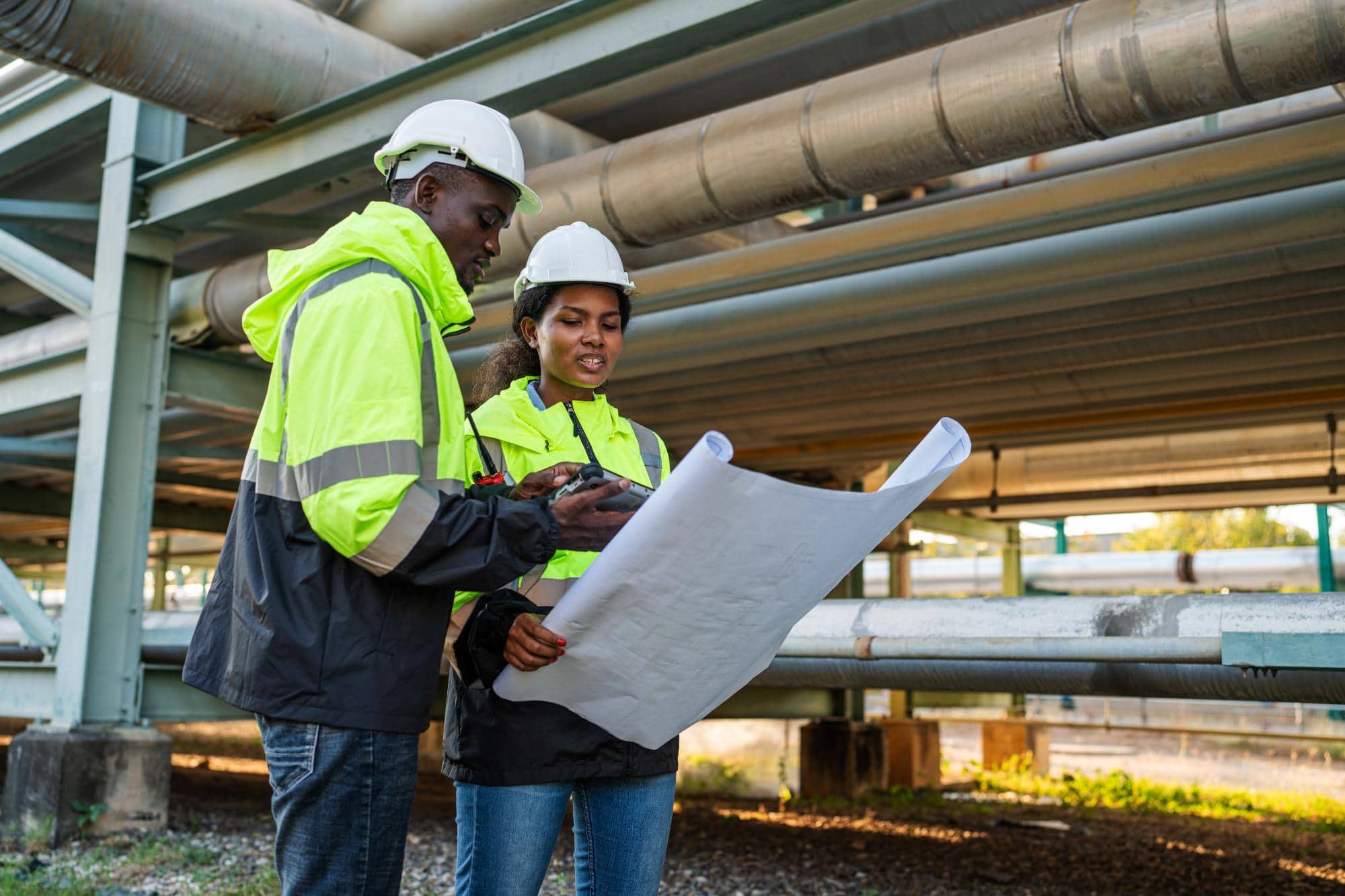
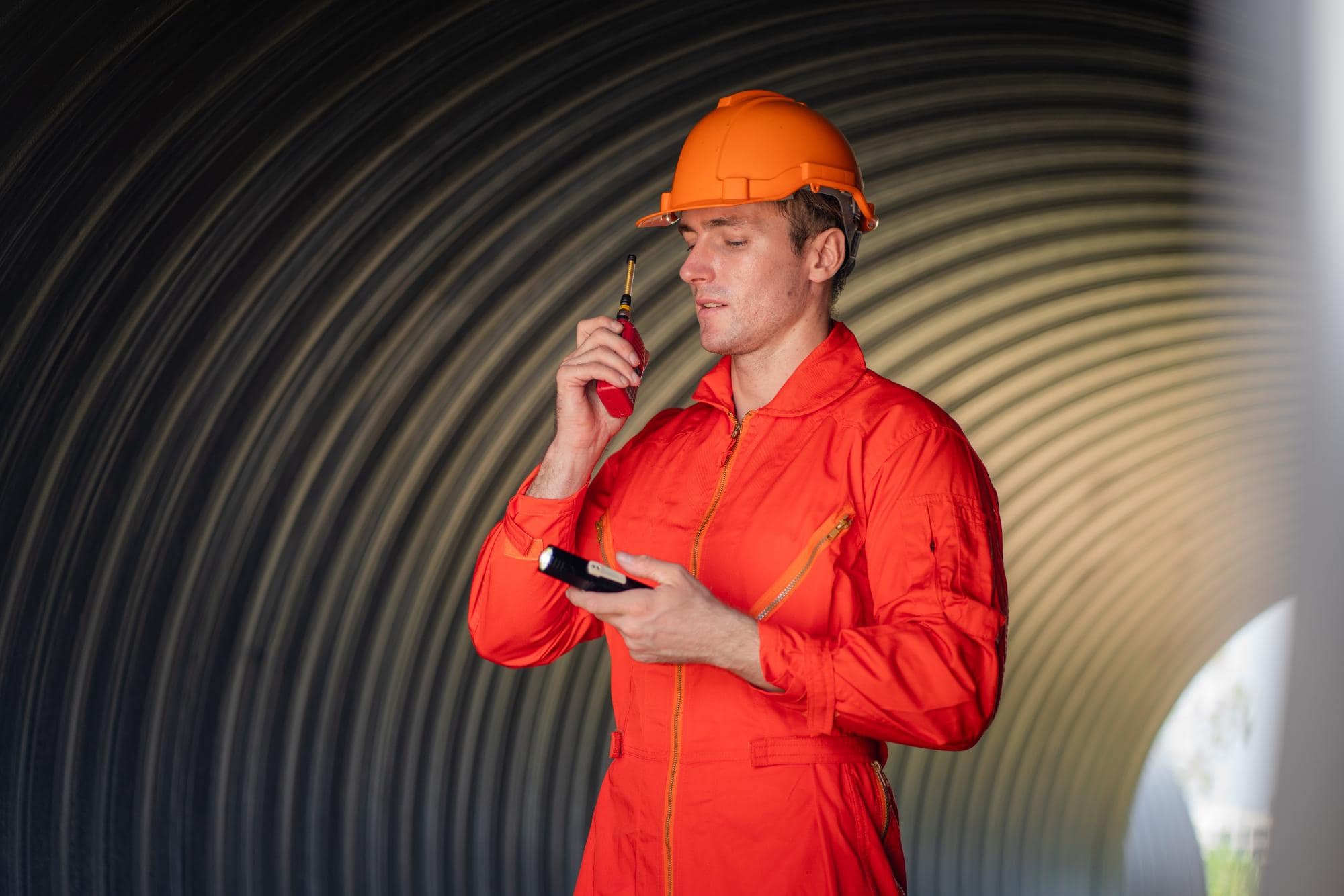
You’re managing a commercial project and need mechanical inspections that don’t slow you down. When your HVAC, boiler, or plumbing systems need inspection, you get seasoned professionals who understand commercial complexity.
No waiting days for callbacks from large agencies. No sending inexperienced recent graduates to evaluate your critical systems. You work directly with owners who’ve been doing this for 17 years and know what compliance actually looks like.
Your systems get evaluated efficiently against approved plans. Issues get identified clearly. When problems arise, you get practical guidance on remediation that keeps your timeline intact.
Broadway Inspections has been serving Manhattan, Queens, Brooklyn, and the Bronx since 2023, built on 17 years of industry experience. We focus primarily on commercial special inspections for architects and construction managers.
South Slope’s dense commercial development requires inspectors who understand the unique challenges of Brooklyn’s building landscape. From converted industrial spaces to modern commercial construction, the mechanical systems here demand expertise that comes from years of hands-on experience.
Unlike larger inspection agencies that rotate staff, you work directly with us as the owners. When you call, you reach the people actually performing your inspections.

Contact Broadway Inspections to schedule your mechanical inspection. We’ll confirm which systems need evaluation—HVAC, plumbing, boilers—and arrange property access that works with your construction timeline.
During the on-site evaluation, our technician performs visual reviews of components and operates equipment to verify function. For HVAC systems, this means observing heating and cooling cycles and inspecting ductwork connections. Plumbing checks involve examining accessible pipes and fixtures for leaks or operational issues.
We apply industry-standard visual and functional testing techniques appropriate for each system. The objective is providing practical information about your equipment’s current compliance status. After inspection, you receive clear feedback about what passes, what needs attention, and next steps for any required corrections.
Ready to get started?
Mechanical inspections in South Slope cover visual inspection and operational checks of heating, ventilation, air conditioning, and plumbing systems. This includes furnaces, air conditioners, ductwork, pipes, and fixtures evaluated against your approved construction documents.
South Slope’s mix of converted warehouses, new construction, and historic commercial buildings creates unique inspection challenges. Our familiarity with Brooklyn’s common building configurations informs our assessment approach, whether you’re dealing with older cast iron plumbing or modern commercial HVAC installations.
For boiler systems, inspections verify proper installation, safety controls, and code compliance. NYC requires annual boiler inspections for commercial buildings, and new installations need DOB approval before operation. The inspection process includes checking chimney connectors, ensuring adequate venting, and documenting everything for Department of Buildings compliance.
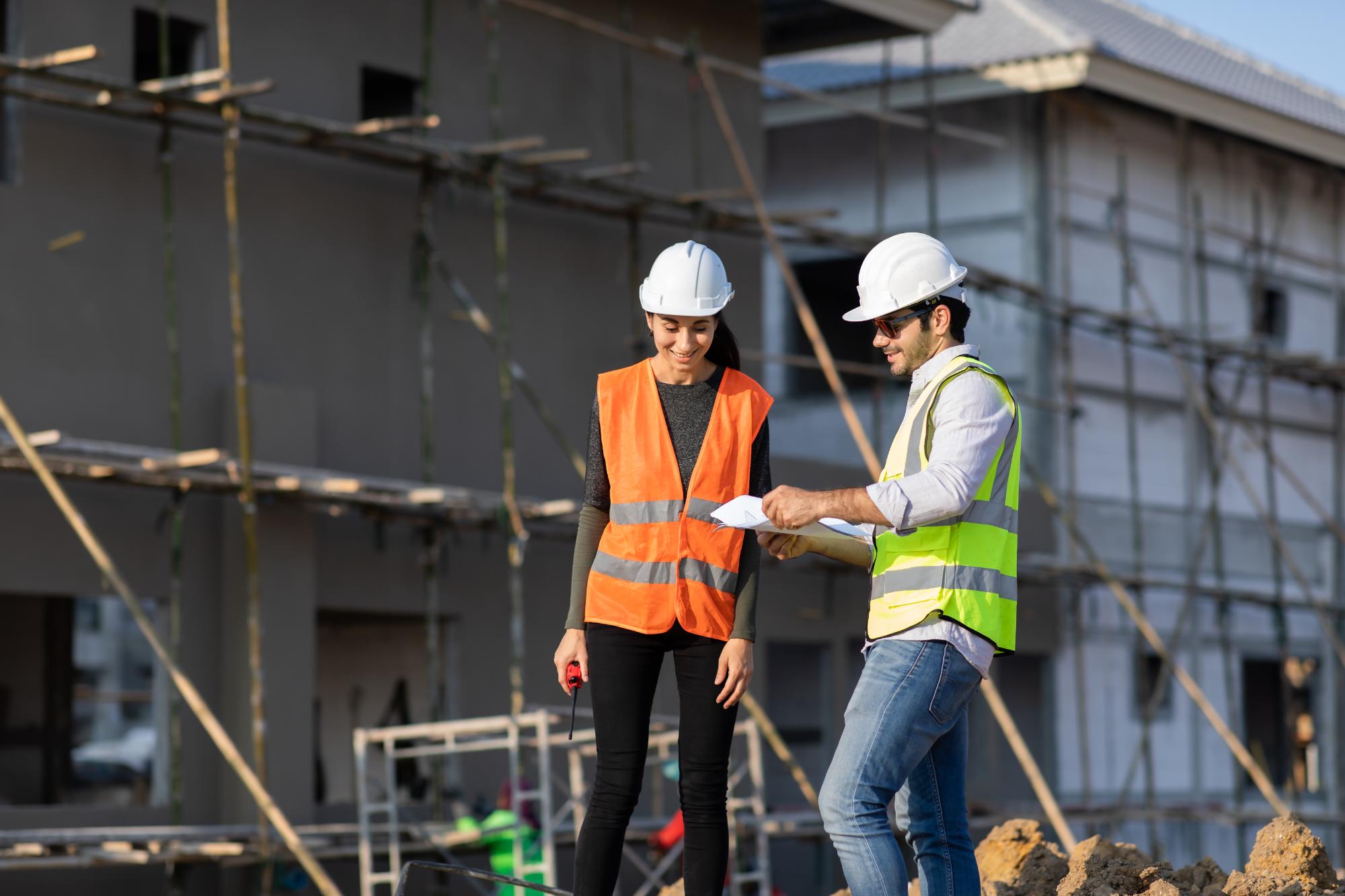
NYC Building Code Chapter 17 requires special inspections for mechanical systems that need certificates of compliance. This typically includes HVAC installations, boiler systems, complex ductwork, and plumbing modifications in commercial buildings.
The registered design professional identifies which specific inspections your project needs, but the building owner must hire the inspection agency. Common mechanical inspections cover ventilation systems, exhaust systems, and any mechanical work requiring DOB permits.
For systems with heating capacity over 600,000 BTU/h or cooling capacity over 480,000 BTU/h, NYC Energy Conservation Code also requires commissioning, which means your inspector needs to understand both mechanical compliance and energy efficiency requirements.
Commercial boilers in South Slope require annual inspection regardless of BTU capacity. The inspection cycle runs January 1 to December 31, and reports must be filed with the Department of Buildings within 14 days of inspection.
High-pressure boilers need both internal and external inspections within the same annual cycle, performed approximately six months apart. Low-pressure boilers typically need one annual inspection, but the inspector must be licensed by DOB or authorized by a boiler insurance company.
New boiler installations require a “First Test Inspection” by DOB before operation. After this initial approval, annual inspections maintain compliance. Missing inspection deadlines results in $50 monthly fines per boiler, plus additional penalties for late filing.
When mechanical systems don’t pass inspection, the inspector identifies specific defects that need correction. You have 90 days from the initial inspection date to fix identified problems and schedule a follow-up inspection.
The subsequent inspection report must be filed within 14 days of the re-inspection date. If corrections aren’t completed within the 90-day window, you face failure-to-file penalties of $1,000 per boiler, plus $50 monthly late fees.
Our experience helps identify issues efficiently and provides practical guidance on remediation. When systems need correction, seasoned professionals know exactly what needs fixing and can guide you through the process to avoid repeated failures.
Yes, HVAC modifications in commercial buildings typically require mechanical inspections to verify compliance with approved construction documents and NYC codes. The scope depends on the work performed—major system replacements need more comprehensive inspection than minor repairs.
Special inspections verify proper installation of ductwork, system controls, safety devices, and ensure all components match your approved plans. The inspector witnesses required tests and documents everything for DOB compliance.
For alterations that don’t affect system integrity, visual inspection may be sufficient. However, new installations, major modifications, or work requiring permits generally need full mechanical inspection to ensure safety and code compliance before system operation.
Commercial mechanical inspections typically take 2-4 hours depending on system complexity and building size. Simple boiler inspections might complete in 1-2 hours, while comprehensive HVAC system evaluations in larger buildings can take a full day.
The timeline depends on what systems need evaluation, accessibility of equipment, and whether any issues require additional testing. We coordinate timing with your construction schedule to minimize disruption.
Experienced inspectors work more efficiently because they know exactly what to look for and can identify problems quickly. This reduces the time your systems are offline for testing and gets you back to normal operations faster.
After mechanical inspection, you receive detailed reports documenting system compliance status, any defects found, and recommendations for corrections. For special inspections, we provide TR-1 reports that verify installation meets approved drawings and code requirements.
These reports get submitted to the Department of Buildings within required timeframes—typically 14 days for most inspections. The documentation includes test results, photos of key components, and specific notes about compliance with manufacturer guidelines.
We handle the paperwork submission process, ensuring reports reach DOB on time and include all required information. You get copies of all documentation for your project records, plus clear explanations of any follow-up actions needed.
Useful Links
Special Inspections You Can Rely On
Our team delivers thorough special inspections and tenant protection plan inspections, guaranteeing the highest standards for every project.
Broadway Inspections
Company
Support
Useful Links