

No delays from inspection issues. No surprises from missed code requirements. No dealing with inexperienced inspectors who don’t understand commercial systems.
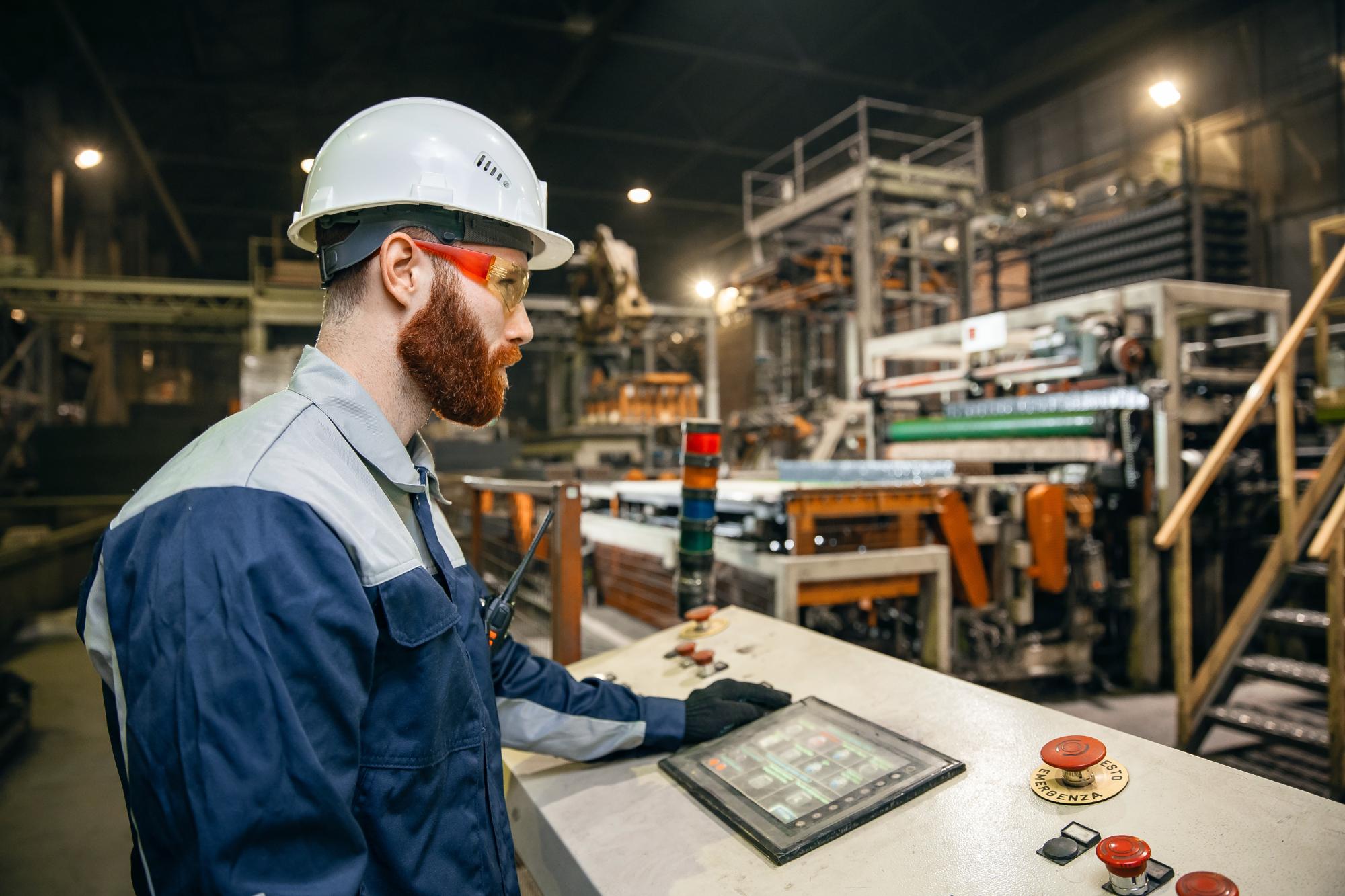
You get thorough evaluations of multi-zone HVAC systems, commercial-grade boilers, and complex plumbing installations. Your mechanical systems get inspected by professionals who know exactly what they’re looking at and can spot potential problems before they become costly delays.
Every inspection meets NYC Building Code requirements and DOB standards. You receive clear documentation that keeps your project moving forward and satisfies all compliance requirements.
We’ve served Whitestone and the broader Queens market since 2023, backed by 17 years of industry experience. Unlike larger agencies that send whoever’s available, you work directly with us.
When you call, you get us. Not a call center, not an inexperienced recent graduate, not someone who needs to check with their supervisor. You get professionals who understand commercial mechanical systems and can communicate clearly about what your project needs.
We focus on commercial work across Manhattan, Queens, Brooklyn, and the Bronx because that’s where our expertise delivers the most value for architects and construction managers.

First, we review your project plans to identify required mechanical inspections and coordinate timing with your construction schedule. No guesswork about what’s needed or when.
During the inspection, we evaluate HVAC installations, boiler systems, and plumbing work against your approved plans and NYC codes. We test functionality, check connections, and verify that installations meet specifications.
After inspection, you receive detailed documentation within required timeframes. If we find issues, we communicate directly with you about what needs attention and how to address it efficiently. No delays waiting for callbacks or unclear reports.
Ready to get started?
Your mechanical inspection includes comprehensive evaluation of HVAC systems, from heating and cooling equipment to ductwork and ventilation components. We inspect boiler installations, whether they’re new systems or modifications to existing equipment.
Plumbing inspections cover accessible pipes, fixtures, and connections for proper installation and function. We understand the complexities of commercial plumbing systems that serve multiple zones and higher capacity demands than residential work.
In Whitestone’s mixed commercial and residential environment, we see everything from small office buildings to larger commercial spaces. Each requires different approaches and understanding of how mechanical systems integrate with the building’s overall design and NYC’s specific code requirements.
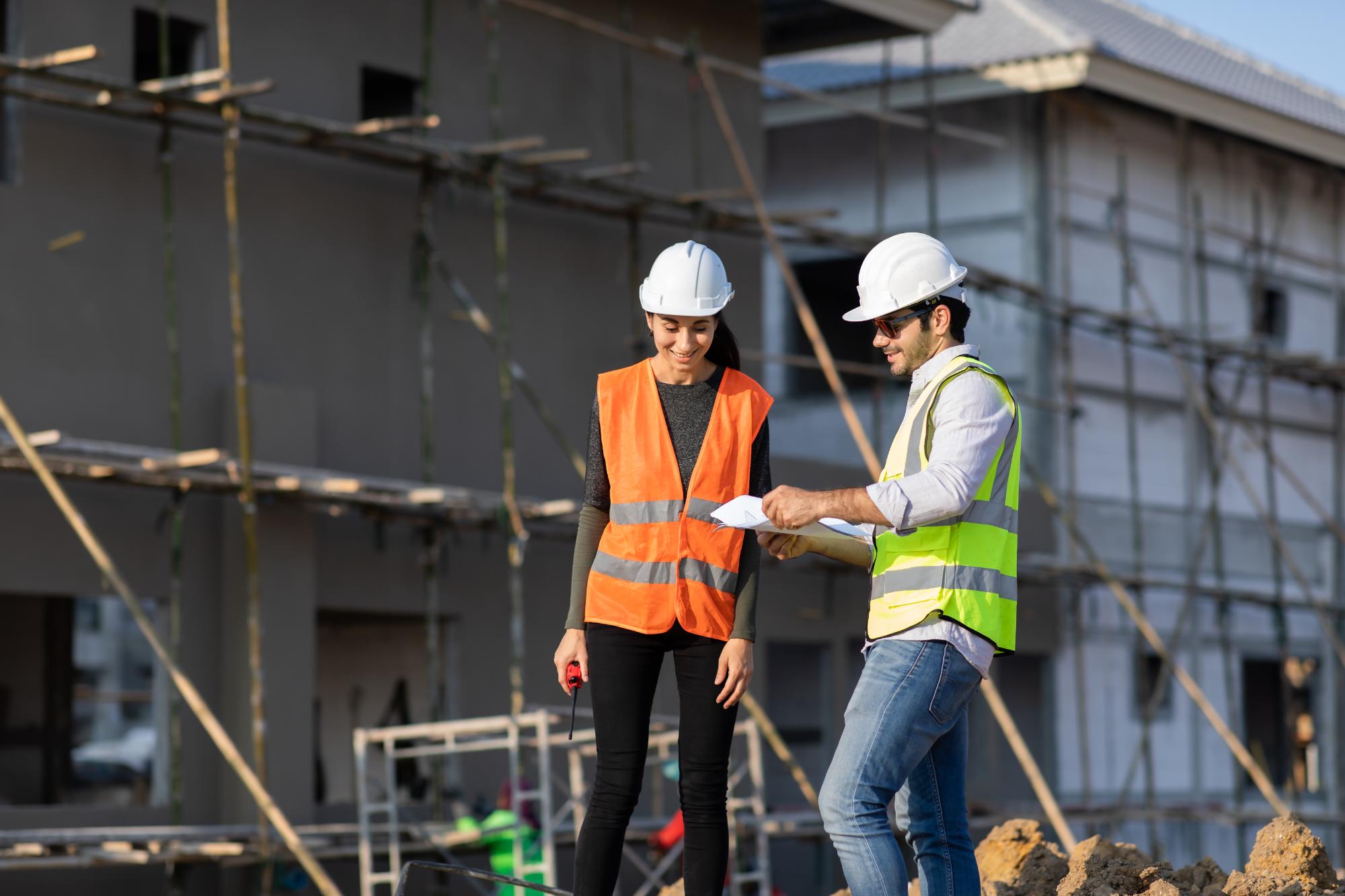
NYC Building Code Chapter 17 requires special and progress inspections for mechanical system work in commercial buildings. This includes HVAC installations, boiler systems, and plumbing modifications that go beyond basic maintenance.
The registered design professional on your project determines which specific inspections are required based on the scope of work. However, the building owner must hire the inspection agency directly.
Most commercial mechanical work involves systems complex enough to require professional oversight. Multi-zone HVAC systems, commercial-grade boilers, and integrated plumbing systems all typically need inspection to verify they meet approved plans and code requirements.
Commercial boilers in NYC require annual inspections regardless of BTU capacity. The inspection cycle runs from January 1 to December 31, and reports must be filed with the Department of Buildings within 14 days of the inspection date.
High-pressure boilers need both internal and external inspections within the same cycle, typically performed about six months apart. Low-pressure boilers need annual inspections by qualified installers licensed by the DOB or authorized boiler insurance companies.
Failure to complete required inspections results in significant penalties. The DOB imposes $1,000 fines for failure to file, plus additional monthly penalties of $50 per boiler for late filings. These costs add up quickly, especially for buildings with multiple boilers.
Commercial mechanical systems are fundamentally more complex than residential ones. You’re dealing with multi-zone HVAC systems, larger capacity boilers, complex ductwork routing, and integration with fire protection systems.
Commercial inspectors need to understand these complexities and how they integrate with building operations. Residential inspectors might check if equipment turns on, but commercial inspections require understanding system design, load calculations, and code compliance for buildings that serve multiple tenants or uses.
The stakes are higher too. Commercial systems serve more people, operate under stricter regulations, and failures can impact business operations. That’s why you need inspectors with actual commercial experience, not someone learning on your project.
Only NYC DOB registered Special Inspection Agencies can perform mechanical inspections for commercial construction projects. The building owner must hire the agency directly – contractors can’t make this decision.
Inspectors must be qualified professionals with specific experience in HVAC, plumbing, and boiler systems relevant to commercial properties. This isn’t work for general inspectors or recent graduates without field experience.
The inspection agency must be independent of the contractors doing the work. This ensures objective evaluation of whether installations meet approved plans and code requirements. Your registered design professional must approve the inspection agency, but the final hiring decision rests with the building owner.
If defects are found during inspection, they must be corrected within 90 days of the initial inspection date. A subsequent inspection report must be filed within 14 days of the follow-up inspection.
The inspector will document specific issues and what needs correction. If dangerous conditions threaten life or safety and require immediate shutdown, the inspector must notify the DOB’s Boiler Unit within 24 hours.
Projects cannot receive final sign-off until all inspection issues are resolved and properly documented. This is why working with experienced inspectors matters – they can often identify potential problems early and suggest solutions that prevent delays.
Inspection timing depends on your system complexity and project scope. A straightforward HVAC installation might take a few hours, while comprehensive mechanical systems in larger commercial buildings require more time.
We coordinate timing with your construction schedule to minimize disruption. Most inspections can be completed during normal construction hours, and we provide advance notice of any special requirements or access needs.
The key is proper planning and communication. When we review your project upfront, we can estimate timing accurately and coordinate with other trades. This prevents delays and ensures inspections happen when your systems are ready for evaluation, not when it’s convenient for the inspector’s schedule.
Useful Links
Other Services we provide in Whitestone
Special Inspections You Can Rely On
Our team delivers thorough special inspections and tenant protection plan inspections, guaranteeing the highest standards for every project.
Broadway Inspections
Company
Support
Useful Links